Contact Us


    (800) 482-8224
    f7dcedd8-9458-4df6-b7d7-aa0229442583-2-LG_WM3700HWA-

    How your dryer vent works

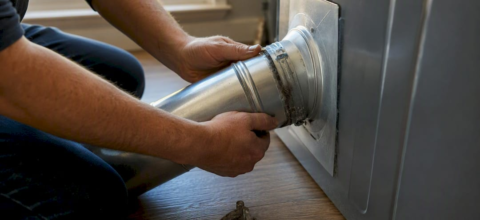
    A dryer vent (maybe it’s not a surprise) is a part of the dryer. How does a dryer vent work? You put wet clothes in the dryer, and it rotates them and evaporates the moisture with heated air. Then, the wet hot air travels through the pipe with the help of a fan and leaves your house. When the dryer is the tool that makes your clothes dry, the vent of the dryer carries all the moisture outside. Why is it important to have a dryer vent? The moisture causes mold, mildew, and fungus. If you don’t want to collect those, you should probably have one and maintain it. 

    Not all the dryers have a vent though. Now it’s popular to have a ventless dryer. What is that and how does a ventless dryer work? It dries the clothes with the same hot air, but instead of pushing it out of the house, a ventless dryer condenses air back into water and puts it in a container or home drainage system. The clothes after such a dryer feel softer, but it takes more time to dry the clothes with a ventless dryer. 

    Indoor or outdoor dryer vent: what to choose?

    Depending on the type of dryer, you can install the dryer vent outside or inside. How does an indoor dryer vent work and what pros and cons of it?

    pros:

    • an indoor dryer vent is a much cheaper and less time-consuming option because you won’t have to ruin your walls by making a hole for the outdoor vent;
    • by choosing to install an indoor vent option, you will increase heat production. This means that if you have a cold winter, it will be an additional source of heat for your house. But it comes with a price because with the heat moisture travels too. If you live in a cold area with dry air, an indoor dryer vent can be helpful. If you have a home in an already hot and humid area – probably think about an outdoor vent;
    • an indoor dryer vent is more suitable for apartments and condos because it takes less space. If you don’t have access to the exterior wall, an indoor vent is better than no vent. 

    cons:

    • an indoor dryer vent can cause a fire hazard if you don’t install it right. Just like with the other vents though. You’ll probably have to call a specialist to install it for you as well as maintain it if you don’t want a fire in your house;
    • it can cause a lot of moisture, cause mold, and fungus and this is not what your lungs want;
    • when you wash your clothes, you probably use chemicals. Chemicals are bad. If you breathe in those on a daily basis, it may affect your health: cause allergies, asthma, or even cancer; 
    • do you use a gas-powered clothes dryer, and it travels through your indoor vent? We highly recommend you to not do that, because the evaporated fumes may contain carbon monoxide, which is a deadly gas for your and your pets. Better switch to an electrical one to avoid air poisoning. 

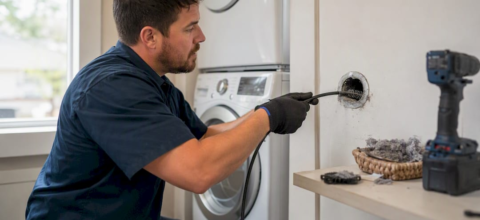
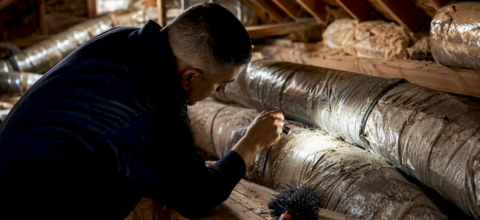
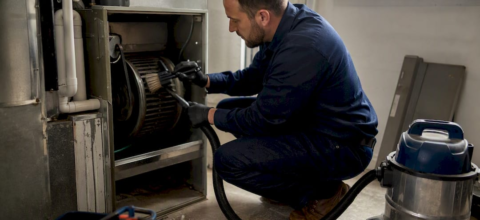
    One thing is to understand how a dryer vent works, and the other is to install and maintain it. How can you do that by reading a couple of articles on the Internet? That’s why we recommend asking a specialist to do so. If you need a cleaning or installation – we are prepared for any type of situation. Contact us now and get a better life quality with Amazon Air Duct Cleaning: 800-482-8224 for Dryer Vent Cleaning.

    author avatar
    amazonairpro
    14 August, 2021
    2025 Refrigerant Phase-Out 20 November, 2025
    The 2025 Refrigerant Phase-Out: What the EPA’s New Rules Mean for Your Old AC Unit

    You may have heard that the government is banning the refrigerant in your air conditioner. Before you worry about what happens to my R-410A air conditioner in 2025, let’s clear something up. The EPA HVAC rules for 2025 apply to new equipment made after January 1, 2025. Your existing unit is fine. You can keep using it, and nobody is forcing you to replace

    #image_title
    New Jersey’s Top 5 Fall Allergens and How to Keep Them Out of Your Home’s Air

    Fall in New Jersey brings beautiful foliage and cooler weather, but it also means sneezing, itchy eyes, and congestion for many of us. Fall allergies can be tricky because we deal with everything from coastal ragweed to mold from damp leaves. If you know what’s triggering your symptoms, you can do something about it. You can’t control what’s happening outside, but you can make

    Paramus Split-Level Temperature
    Solving the Split-Level Problem: How Paramus Homeowners Can Finally Balance Their Home’s Temperature

    Is your upstairs bedroom unbearably hot while your downstairs family room feels like an icebox? If you live in a split-level home in Paramus, this probably sounds familiar. These temperature swings aren’t just uncomfortable, they’re built into how split-level homes work. But you don’t have to live with it. HVAC zoning technology fixes the temperature imbalance that’s frustrated homeowners for decades. Why Split-Levels Have

    Trenton historic home HVAC
    The Trenton Historic Homeowner’s Guide to Modern HVAC

    If you own a historic home in Trenton, you already know what makes these houses incredible. High ceilings, original woodwork, hand-finished plaster walls. These details don’t exist in modern construction. But when July hits or January rolls around, keeping comfortable gets tricky. You can add climate control without tearing apart what makes your house special. Most people think they have to choose between keeping

    Smart Thermostats
    Do Smart Thermostats Save Money? What to Know in 2025

    That old beige thermostat on your wall? It wasn’t much to look at, and it didn’t do much thinking either. Today’s smart thermostats promise energy savings, remote control, and learning algorithms that adapt to your life. But are they worth it for your home, or is this just another tech gadget solving a problem that doesn’t exist? For homeowners in New Jersey, New York,

    2025 Refrigerant Phase-Out
    The 2025 Refrigerant Phase-Out: What the EPA’s New Rules Mean for Your Old AC Unit

    You may have heard that the government is banning the refrigerant in your air conditioner. Before you worry about what happens to my R-410A air conditioner in 2025, let’s clear something up. The EPA HVAC rules for 2025 apply to new equipment made after January 1, 2025. Your existing unit is fine. You can keep using it, and nobody is forcing you to replace

    #image_title
    New Jersey’s Top 5 Fall Allergens and How to Keep Them Out of Your Home’s Air

    Fall in New Jersey brings beautiful foliage and cooler weather, but it also means sneezing, itchy eyes, and congestion for many of us. Fall allergies can be tricky because we deal with everything from coastal ragweed to mold from damp leaves. If you know what’s triggering your symptoms, you can do something about it. You can’t control what’s happening outside, but you can make

    Paramus Split-Level Temperature
    Solving the Split-Level Problem: How Paramus Homeowners Can Finally Balance Their Home’s Temperature

    Is your upstairs bedroom unbearably hot while your downstairs family room feels like an icebox? If you live in a split-level home in Paramus, this probably sounds familiar. These temperature swings aren’t just uncomfortable, they’re built into how split-level homes work. But you don’t have to live with it. HVAC zoning technology fixes the temperature imbalance that’s frustrated homeowners for decades. Why Split-Levels Have

    Trenton historic home HVAC
    The Trenton Historic Homeowner’s Guide to Modern HVAC

    If you own a historic home in Trenton, you already know what makes these houses incredible. High ceilings, original woodwork, hand-finished plaster walls. These details don’t exist in modern construction. But when July hits or January rolls around, keeping comfortable gets tricky. You can add climate control without tearing apart what makes your house special. Most people think they have to choose between keeping