
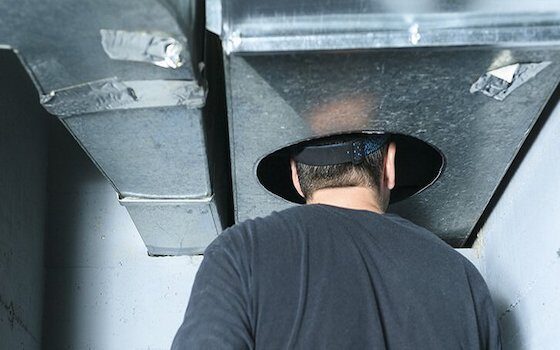
Air Duct Dangers: Are Your Dirty Air Ducts Making You Sick?
Did you know that one out of every six allergy sufferers’ symptoms can be directly linked to the fungi and bacteria found in their air duct systems? The most common home allergens are seasonal pollen, mold, dust, dust mites, animal dander, and chemicals including formaldehyde, volatile organic compounds, conventional paint and finishes, and permanent fabric treatments.
How to avoid air duct dangers
In the simplest of terms, NADCA (The HVAC Inspection, Maintenance, and Restoration Association), notes that heating and cooling systems are the lungs of a home, taking air in and breathing it back out – also, if your air ducts look dirty, they probably are. NADCA also explains that in a typical six-room home, up to 40 pounds of dust is created every year through everyday living; and these contaminants are pulled into your HVAC system and recirculated up to seven times per day.
By improving air flow and reducing the sources of these particulates, chemicals, and moisture, you can avoid air duct dangers and lower your home’s levels of typical airborne allergens.
To avoid the health hazards caused by unhealthy air, consider the following tips for ways to eliminate air duct dangers and to improve your home’s indoor air quality:
- Have your HVAC system inspected and cleaned by an air duct cleaning professional. Cleaning your air duct system removes the particulates and chemicals that are trapped in your ductwork, minimizing air duct dangers.
- Use central air conditioning set on “recirculate.”Doing this excludes much of the pollen and mold from the air in your home.
- Use a vacuum with double-bagging, or a HEPA filter.
- Cut back on the carpeting and drapes. Consider tile and hardwood, and roll up shades instead.
- Take off your shoes right outside the door, before coming inside, or at least wipe them well on an outdoor mat.
Call 800-482-8224 to schedule an appointment with an Amazon Air Duct Cleaning Professional today!


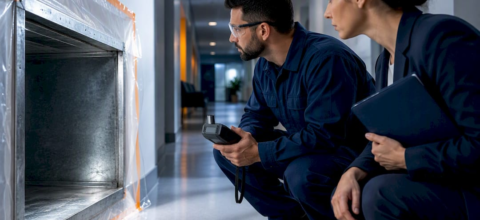
Hospital-grade duct cleaning checklist for NY/NJ/CT facilities: NADCA ACR-2021 contract clauses, containment, and acceptance testing to meet surveys.
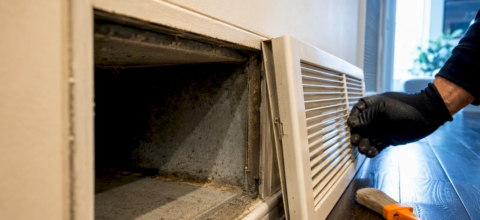
Practical steps for homeowners to stop cigarette smell in vents: quick 24-hour actions, DIY cleaning, HEPA+carbon tips, sealing advice, and when to call a…
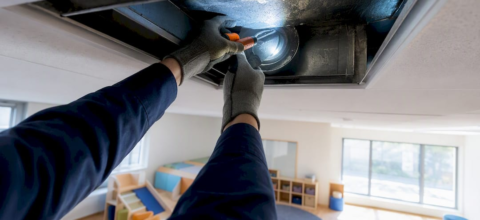
Facility managers: learn the 5 signs your daycare needs air duct cleaning, how to schedule with minimal disruption, and the NADCA style scope and proof to…
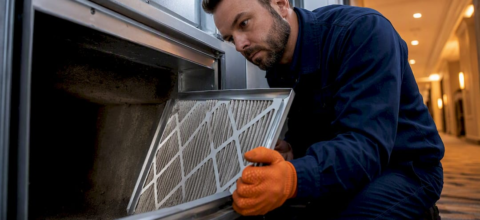
Hotel facility managers: procurement, scheduling steps to prevent guest odors, cut energy waste, and verify duct cleaning with NADCA/ASHRAE tests.

Safety first steps to inspect and clean a fireplace damper, when DIY stops, and when to call a chimney pro. Tips from NY/NJ/CT technicians.

Hospital-grade duct cleaning checklist for NY/NJ/CT facilities: NADCA ACR-2021 contract clauses, containment, and acceptance testing to meet surveys.

Practical steps for homeowners to stop cigarette smell in vents: quick 24-hour actions, DIY cleaning, HEPA+carbon tips, sealing advice, and when to call a…

Facility managers: learn the 5 signs your daycare needs air duct cleaning, how to schedule with minimal disruption, and the NADCA style scope and proof to…

Hotel facility managers: procurement, scheduling steps to prevent guest odors, cut energy waste, and verify duct cleaning with NADCA/ASHRAE tests.