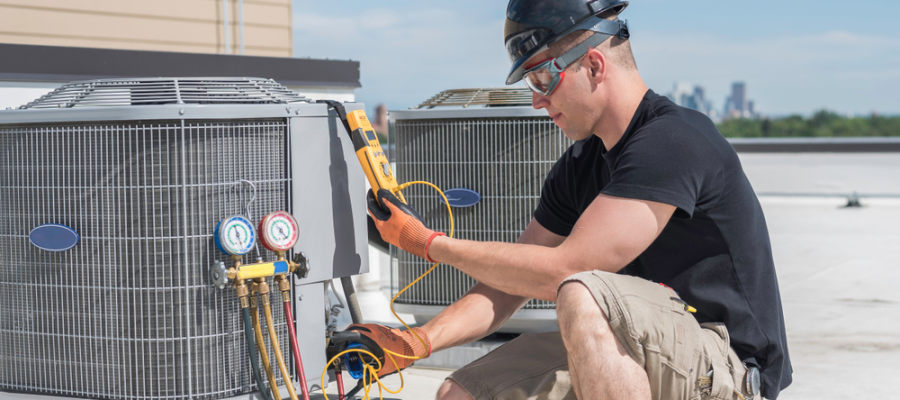
Breathe Easy This Summer: Now Is the Perfect Time to Clean Your HVAC System
As temperatures start to rise, your HVAC system becomes the unsung hero of your home—working around the clock to keep your space cool, dry, and breathable. But before summer hits full swing, it’s the perfect time to perform critical upkeep that keeps that system running smoothly. These summer HVAC maintenance tips aren’t just about comfort—they’re about lowering your energy bills, avoiding mid-season breakdowns, and keeping your indoor air fresh and healthy.
Whether you’re battling humidity or running your AC 24/7, a clean HVAC system is the foundation for a cooler, more efficient summer.
Why HVAC Maintenance Is Important Before Peak Heat
Your HVAC system operates year-round, but summer demands the most from it. Without seasonal care, components like coils, filters, and ductwork become clogged with debris that forces your system to work harder than it should. This leads to increased energy use, higher utility bills, and greater risk of system failure—especially during the hottest days when service calls are hardest to schedule.
And while cooling performance is the main concern, neglecting maintenance can also impact indoor air quality. Dust, allergens, and mold spores build up during spring and circulate through your vents if left untreated. That’s why summer HVAC maintenance tips are more than seasonal suggestions—they’re preventive action.
Summer HVAC Maintenance Tips for a Cleaner, Cooler Home
An HVAC tune-up isn’t just one task—it’s a combination of checks, cleanings, and adjustments that improve airflow, efficiency, and air quality.
1. Replace or Upgrade Air Filters
Dirty filters restrict airflow and push your HVAC system to overwork. Replace them with clean, high-efficiency filters rated for pollen, dust, and pet dander. During high-usage months, check them every 30 days.
2. Clean Condenser Coils
Condenser coils tend to collect grime, pollen, and outdoor debris over time—especially during spring. When this buildup coats the coils, your system has to use more energy just to achieve normal cooling. If your AC is running longer than usual or your home still feels warm, restricted coil performance might be part of the problem.
Routine condenser coil cleaning during summer helps restore efficiency and improve overall cooling capacity when you need it most.
3. Clear Debris from the Outdoor Unit
Grass clippings, leaves, and branches often obstruct airflow around the outside condenser. Make sure there’s at least two feet of clear space on all sides of the unit to allow for proper ventilation.
4. Program Summer HVAC Settings
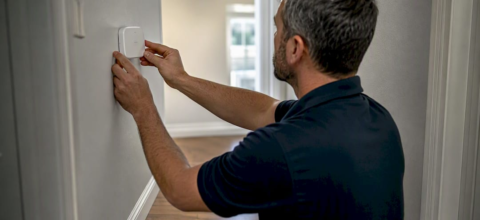
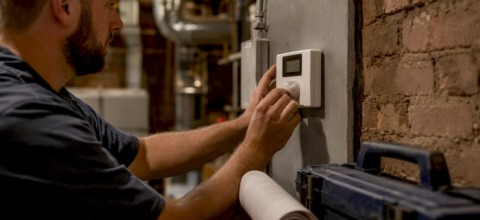
Optimizing your thermostat settings can significantly lower energy use. Set your thermostat to 78°F when you’re home and a few degrees higher when you’re out. Consider a smart thermostat that learns your schedule and automates temperature adjustments.
Why Summer Is the Best Time for Air Duct Cleaning
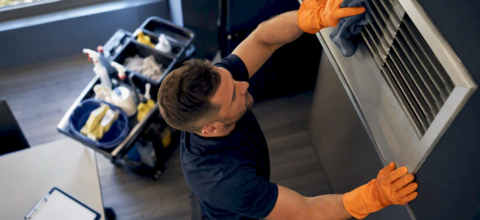
If you’ve never scheduled air duct cleaning, summer is an excellent time to do so. Why? Because during this season, your AC is constantly circulating air throughout the home. Any dust, pollen, or mold inside the ducts will be pulled into your living space multiple times a day.
Professional cleaning in the summer can:
- Improve cooling efficiency by clearing blockages
- Reduce allergy triggers from spring residue
- Remove stale, dusty air trapped in unused ducts
- Eliminate sources of unpleasant odors
How Long Does HVAC Maintenance Take?
A full HVAC inspection and cleaning typically takes 1.5 to 3 hours, depending on system size, age, and condition. While quick filter swaps can be DIY, comprehensive cleanings—especially ductwork and coils—are best left to professionals with specialized equipment.
Can You Clean Your HVAC System Yourself?
Some maintenance tasks are safe for homeowners to tackle, like replacing filters, trimming plants around outdoor units, or lightly vacuuming vents. But deeper cleaning of interior components (such as blower fans, coils, and ductwork) should be handled by certified HVAC technicians. Improper cleaning can damage the system or even void warranties.
What Happens If You Skip Summer Maintenance?
Skipping summer prep leads to decreased performance and increased wear on components. You may notice:
- Uneven cooling between rooms
- Strange odors from vents
- Longer run times
- Spikes in your electric bill
Eventually, this wear results in breakdowns—often during heat waves when technicians are busiest and emergency rates apply. These outcomes are not just inconvenient—they’re expensive.
Is Your HVAC System Circulating Polluted Air?
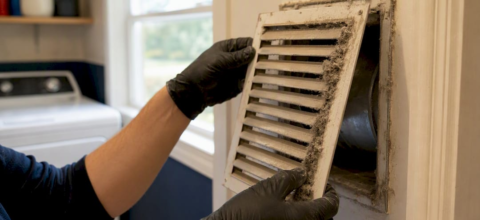
A clean HVAC system doesn’t just cool more efficiently—it also helps maintain quality home air. Dust, mold, pollen, and bacteria often collect in vents and recirculate throughout your home. This not only affects comfort but can trigger allergies, worsen asthma, and irritate respiratory conditions.
Cleaning your system reduces these airborne pollutants, giving your family cleaner air to breathe during a season when indoor spaces are closed up tight with the AC running.
Looking for signs your airflow isn’t balanced or a room stays warmer than others? Read our blog: 12 Reasons Why Your Room Is Hotter Than the Rest of the House.
Long-Term Gains: Why Regular Summer Maintenance Pays Off
Investing in summer HVAC service brings lasting benefits well beyond the current season. Clean systems:
- Use less energy
- Distribute air more evenly
- Last longer without needing replacement
- Require fewer emergency repairs
- Offer better indoor air quality for your household
According to the Department of Energy, proper HVAC maintenance can cut energy costs by up to 20%. That’s a significant reduction for something that takes just a few hours once a year.
Final Thoughts: Get Ahead of the Heat, Not Behind It
Summer isn’t the time to discover your AC can’t keep up. With the right summer HVAC maintenance tips and timely service, you can extend the life of your system, reduce operating costs, and create a cleaner, healthier indoor environment.
Now is the season to clean your HVAC system, fine-tune your settings, and inspect your ducts before problems arise. Your future self—sitting comfortably in a cool home—will thank you.