Checklist for a Healthy Lifestyle
Did you know that on average, you spend half of every day in your home? Keeping your home healthy is the first step on the checklist for a healthy lifestyle because your home plays such a significant role in the health of your family. You may think your home is already healthy, but chances are there a still a few things you can do or fix to make it healthier.
According to the Centers for Disease Control (CDC):
1 in 16 homes have high radon levels
1 in 10 homes have water leaks
1 in 6 homes have structural problems
1 in 4 homes have lead-based paint
1 in 4 homes do not have a working smoke alarm
Wondering if your home is included in one of these statistics? It’s important to find out and to make your own healthy home checklist for a healthy lifestyle. The first checklist for a healthy lifestyle encompasses the entire home.
Have you tested for radon?
Radon is a colorless, tasteless and odorless gas that builds up in the soil beneath your home and rises upward via holes and cracks. Radon is harmful because it is the number cause of lung cancer. A short-term radon test is relatively quick and painless and will tell you the level of this cancer-causing gas in your home. Radon mitigation involves installing fans to move the gas outside of the home where it dissipates into the air.
Do you have a moisture problem?
Any amount of water or moisture is damaging to the home, especially if it develops mold. Have the water and moisture mitigated as soon as you find it, and treat any mold that takes root. Mold damages the indoor air quality of your home, which can be detrimental to your health.
Was your home built before 1978?
If it was, you could have lead paint. The Mayo Clinic writes that children are primarily at risk for lead poisoning and will show symptoms including but not limited to developmental delays, learning difficulties, loss of appetite, abdominal pain and vomiting. Adults are also at risk, and will display symptoms including high blood pressure, headaches, abdominal pain and mood disorders. Lead paint requires careful removal, which includes using a respirator during the process.
When is the last time you checked the smoke alarm?
A Working smoke alarm is sometimes your first and always your best defense against injury and death from a house fire. Ensure to install fire alarms correctly, and to test them monthly.
HEALTHY BEDROOM AND LIVING ROOM CHECKLIST FOR A HEALTHY LIFESTYLE
Do you have carbon monoxide alarms?
Always install a carbon monoxide and smoke alarm on each level of the home and near the bedrooms. Additionally, cease smoking in the home if you do, and don’t allow anyone else to smoke in the home.
Are you a clutter magnet?
Excessive clutter creates a rodent haven and a tripping hazard. Clear the clutter and save yourself a fall. Less clutter also makes it easier to dust and clean, which promotes healthier indoor air quality.
Are the children safe?
Cribs should be made without blankets or stuffed animals. These increase the likelihood of suffocation. Tie up cords or go cordless with your blinds. Cords are exceedingly dangerous to young children if it gets wrapped around a child’s neck. Use a safe for every firearm kept in the home, and store them unloaded.
HEALTHY BATHROOM CHECKLIST FOR A HEALTHY LIFESTYLE
Are you storing your prescriptions properly?
Always maintain the labels on your medication bottles to reduce the risk of mixing them up. Lock them in a medicine cabinet far out of reach from children and always use childproof caps.
Are you at risk for a slip?
If you don’t have them already, install grab bars and non-slip tub grips in the bathtub or shower to prevent a fall while bathing. Bathroom floor mats also need a rubber backing to make them safe when moisture is present (like from the shower).
HEALTHY KITCHEN CHECKLIST FOR A HEALTHY LIFESTYLE
Where does your kitchen fan vent?
Range hoods should always vent to the outside. If they are installed improperly, they may vent to the attic or another space inside the home. This keeps the moisture from cooking inside where it can create a mold problem.
Are your cleaning supplies toxic?
Unfortunately, there are toxins hidden in just about everything these days, so it’s important to check the labels of your cleaning supplies. Choose all-natural brands and alternatives to use for cleaning. They work just as well and are safer to have in the home. They still need to be stored safely out of the way of children. Use cabinet locks to keep inquisitive hands from reaching for them. If a cleaning chemical is ingested, call poison control immediately.
HEALTHY HOME MAINTENANCE CHECKLIST FOR A HEALTHY LIFESTYLE
Are you cleaning your dryer vent annually?
Dryer vent fires are an all too real occurrence in residential properties, and the number one cause is a failure to clean the dryer. When lint builds-up inside the dryer vent, the resulting overheating of the dryer can ignite the lint and produce a destructive fire. The U.S. Fire Administration reports that there are 2,900 dryer vent fires annually that cause five deaths, 100 injuries and $35 million in property losses. A yearly dryer vent fire eliminates the risk of lint-caused dryer vent fires.
When is the last time your air ducts were cleaned?
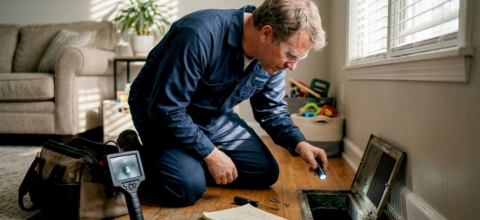
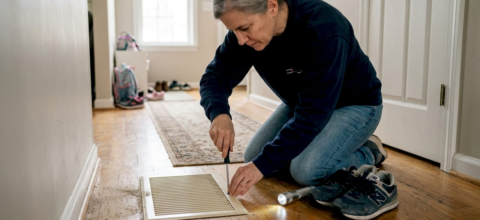
Your HVAC system plays a significant role in your homes indoor air quality. Harmful contaminants enter the home every day through open doors and windows, and even when you wear your shoes indoors. Your HVAC system picks these up and recirculates them an average of 5 to 7 times per day. These contaminants can include allergens like pollen and pet dander as well as toxins like lead, flame retardants and mercury. Poor indoor air quality can trigger or worsen allergies and chronic respiratory conditions like asthma. Air duct cleaning should be scheduled every 3 to 5 years.
Call 800-482-8224 to schedule an appointment with an Amazon Air Duct Cleaning Professional today!