Contact Us


    (800) 482-8224

    How Poor Indoor Air Quality Affects You

    Americans spend the vast majority of their time indoors, and given all of the outdoor air pollution that exists from sea to shining sea, you might think that this is a good thing for your health. But the reality is that the U.S. Environmental Protection Agency consistently ranks indoor air quality as one of the top environmental risks for Americans! The reason is because many allergens and other toxic compounds are easily trapped inside our walls and the concentration levels of harmful particles can be dramatically increased compared to when we’re outside. So whether you were already aware of how poor indoor air quality affects you, or this concept is new to you, then read on for some of the most common problems that can develop from having dirty air inside, as well as some of our recommended steps to keep things fresh, clean and healthy for your life at home and work in the great indoors.

    PROBLEMS:

    Allergic reactions. All kinds of respiratory problems, skin rashes, and other health issues can develop from an indoor environment where air becomes trapped for long periods of time. Just think about all the dander that comes from humans and especially animals – every time we come inside, we’re bringing bits of the outside along with us, and they flake off a little bit at a time. Before we know it, the morning or afternoon sunlight angles across the room and we see all the little bits of everything floating in the air, just waiting to be breathed into our lungs. Yuck! No wonder our eyes are watering, we’re sneezing, coughing, or having any number of other symptoms and irritations like headaches or feeling tired while we’re inside.

    Diseases. Asthma and other respiratory diseases can be made worse by poor indoor air quality, and some studies have even linked greater levels of depression with higher indoor air pollution. Is it any wonder that you usually feel better when you’ve been outside to get some fresh air? Continuing to breathe stagnant, recirculated air indoors isn’t good for your body, or your mind. Particles that are especially tiny can be digested and then circulated throughout your entire body. Over time, that can mean you’re more susceptible to illness and possibly even more serious chronic conditions.

    Mold. When indoor air isn’t cleaned properly, over time it can set the conditions for even more toxic spores to develop in the form of mildew and mold spots throughout your home. In other words, the more toxins you allow into your home, the easier it is for even more toxins to develop, thereby creating a vicious cycle of even worse indoor air quality. And who wants that?

    SOLUTIONS:

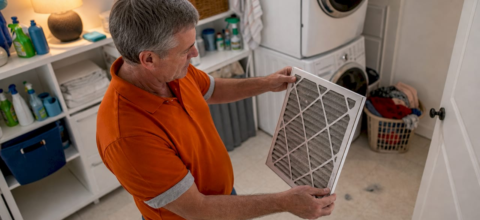
    Change your furnace filter. This is such a simple step that’s so simple to forget! Because we only do this every 30-90 days, depending on the requirements of our HVAC systems and the types of filters we buy, it can be easy to overlook this essential task. When we allow our filters to get clogged, they in turn affect the ability of our HVAC system to circulate air through the house, and this can promote the development of mold and other air quality problems. (It also means higher utility bills because the furnace isn’t running as efficiently as it does with a clean filter!) You should also make sure that the registers and return vents are cleaned often to get rid of the toxic buildup that can also contribute to moldy and unsafe interior conditions.

    Air out your home. Periodically, open the windows and doors and let the breeze blow through your home. This will work wonders for your indoor air quality by flushing out all kinds of toxic particles. Of course, it can stir up the dust too – but that’s not necessarily a bad thing if you’ve replaced your furnace filter as we recommended above, because then the dust will be sucked into the filter where it should be.

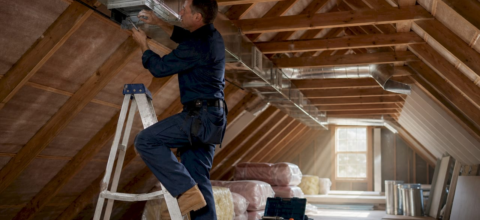
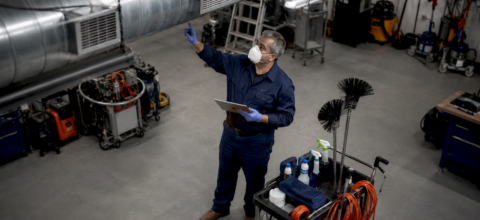
    Have an air duct cleaning and dryer vent cleaning service. These important services can make a big difference for your indoor air quality by removing the hard-to-reach toxic particles that have lodged in all the nooks and crannies of your ductwork and ventilation systems. You’ll save on your utility bills with a more efficient dryer, and you’ll be minimizing your risk of a dryer vent fire which is far more likely when the system is clogged with lint, dust, dander and other dirty debris.

    Call 800-482-8224 to schedule an appointment with an Amazon Air Duct Cleaning Professional today!

    author avatar
    amazonairpro
    21 September, 2021
    First-Time Homeowner? Here's Your Year-One HVAC Checklist 12 January, 2026
    First-Time Homeowner? Here’s Your Year-One HVAC Checklist

    Congratulations on your new home! Between unpacking boxes and picking paint colors, your HVAC system probably isn’t top of mind. But a little attention now can save you from surprise repair bills later. If you’re a first time home buyer figuring out what to do with hvac equipment, this guide breaks down the basics for your first 12 months. Most of these tasks are

    #image_title
    Why Your AC Rusts Faster Near the Coast

    Living near the coast comes with great views and ocean breezes. But salt air brings a hidden problem. It’s constantly corroding your outdoor AC unit. If you’ve spotted rust on your condenser or noticed your cooling performance dropping, salt damage might be the reason. Here’s what’s happening and what you can do about it. What Happens When Salt Gets Into Your Air Conditioner Your

    What Causes That Musty Smell When You Turn On Your HVAC System
    What Causes That Musty Smell When You Turn On Your HVAC System

    You turn on the heat or AC and suddenly there’s an odor you can’t ignore. Sometimes it’s damp and musty. Other times it smells like something burning. You might not be able to describe it exactly, but you know something’s off. Different smells mean different things. Some are harmless. Others need immediate attention. Here’s how to figure out what you’re dealing with. Why Does

    How to Deal with Humidity Problems in Jersey Shore Homes?
    How to Deal with Humidity Problems in Jersey Shore Homes?

    Beach living comes with perks. You get ocean views, morning walks on the sand, and that salt air. But if you own a home in Ocean County, you know the weather can take a toll on your home. Humidity gets into everything and won’t leave. Maybe you’ve noticed your windows fogging up even though the AC is on. Or there’s a smell in the

    MERV Ratings Explained for Homeowners Who Want Cleaner Air
    MERV Ratings Explained for Homeowners Who Want Cleaner Air

    Ever stood in the filter aisle at the hardware store feeling completely lost? MERV 8, MERV 11, MERV 13. The numbers keep climbing, and so do the prices. You grab one and hope it’s right. Turns out, the most expensive filter isn’t always the best choice. Sometimes it can cause problems. Let’s figure out what these ratings mean and which one belongs in your

    First-Time Homeowner? Here's Your Year-One HVAC Checklist
    First-Time Homeowner? Here’s Your Year-One HVAC Checklist

    Congratulations on your new home! Between unpacking boxes and picking paint colors, your HVAC system probably isn’t top of mind. But a little attention now can save you from surprise repair bills later. If you’re a first time home buyer figuring out what to do with hvac equipment, this guide breaks down the basics for your first 12 months. Most of these tasks are

    #image_title
    Why Your AC Rusts Faster Near the Coast

    Living near the coast comes with great views and ocean breezes. But salt air brings a hidden problem. It’s constantly corroding your outdoor AC unit. If you’ve spotted rust on your condenser or noticed your cooling performance dropping, salt damage might be the reason. Here’s what’s happening and what you can do about it. What Happens When Salt Gets Into Your Air Conditioner Your

    What Causes That Musty Smell When You Turn On Your HVAC System
    What Causes That Musty Smell When You Turn On Your HVAC System

    You turn on the heat or AC and suddenly there’s an odor you can’t ignore. Sometimes it’s damp and musty. Other times it smells like something burning. You might not be able to describe it exactly, but you know something’s off. Different smells mean different things. Some are harmless. Others need immediate attention. Here’s how to figure out what you’re dealing with. Why Does

    How to Deal with Humidity Problems in Jersey Shore Homes?
    How to Deal with Humidity Problems in Jersey Shore Homes?

    Beach living comes with perks. You get ocean views, morning walks on the sand, and that salt air. But if you own a home in Ocean County, you know the weather can take a toll on your home. Humidity gets into everything and won’t leave. Maybe you’ve noticed your windows fogging up even though the AC is on. Or there’s a smell in the