

How to Prevent Duct Contamination
Whether or not you decide to have the air ducts in your home cleaned, committing to a good preventive maintenance program is essential to minimize duct contamination.
To prevent dirt from entering the system:
- Use the highest efficiency air filter recommended by the manufacturer of your heating and cooling system.
- Change filters regularly.
- If your filters become clogged, change them more frequently.
- Be sure you do not have any missing filters and that air cannot bypass filters through gaps around the filter holder.
- When having your heating and cooling system maintained or checked for other reasons, be sure to ask the service provider to clean cooling coils and drain pans.
- During construction or renovation work that produces dust in your home, seal off supply and return registers and do not operate the heating and cooling system until after cleaning up the dust.
- Remove dust and vacuum your home regularly. (Use a high efficiency vacuum (HEPA) cleaner or the highest efficiency filter bags your vacuum cleaner can take. Vacuuming can increase the amount of dust in the air during and after vacuuming as well as in your ducts).
- If your heating system includes in-duct humidification equipment, be sure to operate and maintain the humidifier strictly as recommended by the manufacturer.
- Call 800-482-8224 to schedule an appointment with an Amazon Air Duct Cleaning Professional today!


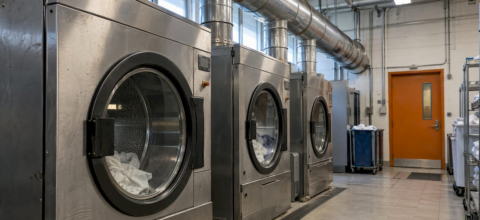
Hospital dryer vent safety explained for facility managers: fire risks, code basics, warning signs, cleaning frequency and documentation for NY, NJ and CT.
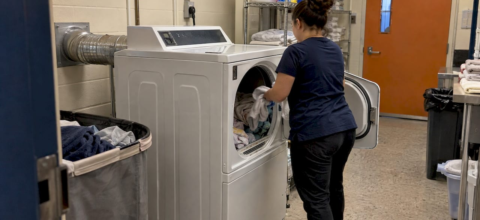
How to keep a daycare dryer vent safe in NY, NJ and CT: code basics, warning signs, cleaning schedules and a staff routine that controls lint.
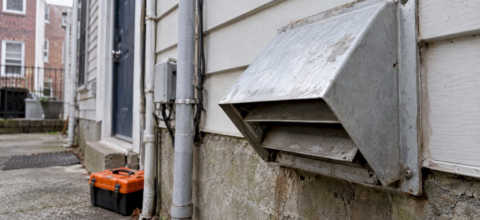
Who handles dryer vents in rentals, condos and commercial buildings? A property manager’s guide to duties, schedules, records and code for NY, NJ and CT.
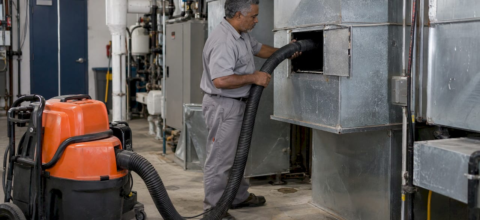
No federal law sets a duct cleaning schedule for commercial buildings, but standards, leases and fire codes do. Here is what applies in NY, NJ and CT.

Learn which chimney creosote levels are safe, why 1/8 inch is the trigger to sweep, how to spot each stage, and how NY, NJ and CT homeowners can act.

Hospital dryer vent safety explained for facility managers: fire risks, code basics, warning signs, cleaning frequency and documentation for NY, NJ and CT.

How to keep a daycare dryer vent safe in NY, NJ and CT: code basics, warning signs, cleaning schedules and a staff routine that controls lint.

Who handles dryer vents in rentals, condos and commercial buildings? A property manager’s guide to duties, schedules, records and code for NY, NJ and CT.

No federal law sets a duct cleaning schedule for commercial buildings, but standards, leases and fire codes do. Here is what applies in NY, NJ and CT.