Is Stamford’s Salty Air Destroying Your AC? A Guide to Preventing Condenser Coil Corrosion
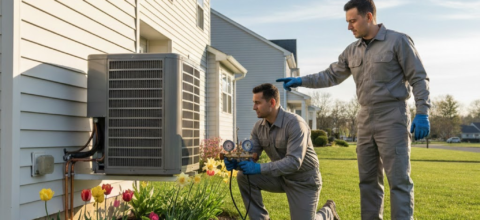
The morning breeze from Long Island Sound carries more than just ocean air through Stamford’s neighborhoods. That salty scent signals trouble for your home’s air conditioning system. Residents in waterfront areas like Shippan Point and Cove Island experience this daily, but many don’t realize how coastal air damages their AC equipment.
Salt particles in the air create a corrosive environment that speeds up metal deterioration. Your outdoor condenser unit becomes a target for this chemical damage, especially during Connecticut’s humid summer months when moisture makes the corrosion worse.
How Salt Air Slowly Destroys Your AC System
When salt particles land on your condenser coils, they pull moisture from the humid coastal air. This combination creates a solution that speeds up oxidation—it’s like rust on fast-forward. Think of what happens to cars exposed to winter road salt, but this occurs year-round in coastal areas.
Aluminum and copper coils, which most HVAC systems use, become vulnerable to this reaction. The salt breaks down the protective layers that normally shield these metals from corrosion.
Why Summer Humidity Makes It Worse:
Connecticut’s summer humidity levels, often over 70%, create perfect conditions for faster corrosion. Salt crystals absorb this moisture, forming a corrosive mixture that sticks to metal surfaces. Units on rooftops or in open yards without wind barriers face the worst exposure.
Is That Rust on Your HVAC? Here’s What to Look For
Condenser coils with white, green, or rust-colored deposits show active corrosion. These buildups restrict airflow and reduce heat transfer, forcing your system to work harder. Fins may look bent, pitted, or eaten away at the edges.
Other warning signs include:
- Water pooling around the unit, which speeds up rust.
- AC running longer cycles but cooling less.
- Higher electricity bills without explanation.
- Metallic odors, musty smells, or rattling sounds from the outdoor unit.
Catching these symptoms early helps prevent major damage and expensive repairs.
Why Damaged Coils Make Your Energy Bills So Expensive
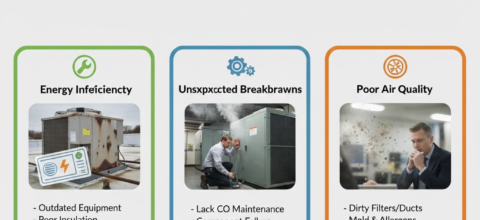
Corroded condenser coils can reduce your system’s efficiency by 20-30%, which means higher energy costs. What should be normal summer cooling becomes an expensive battle against declining performance. The average lifespan of HVAC system components drops significantly in coastal areas without regular maintenance.
You might need complete system replacement years ahead of schedule. A typical home air conditioner might last 15-20 years inland, but coastal exposure can cut this to 8-12 years without care.
Small AC Care Steps That Prevent Expensive Breakdowns
Professional Coil Cleaning
Regular coil cleaning removes salt deposits before they cause permanent damage. Technicians use safe solutions that dissolve buildup without bending fins. In coastal areas like Stamford, schedule service twice yearly — spring prep and fall cleanup.
Simple Maintenance You Can Do
Between visits, gently rinse coils with fresh water to clear surface deposits. Always disconnect power and use care to avoid bending fins. Window units facing the sound also need frequent attention to control salt buildup.
Coatings and Barriers
Applying protective coil coatings adds a layer of defense against corrosion. Strategic barriers, like shrubs or fencing, help limit direct salt exposure without blocking airflow. These steps extend the lifespan of outdoor units in coastal environments.
Picking Equipment for Coastal Areas
Choosing AC units or heat pumps built with marine-grade materials and factory coatings gives better long-term protection. While they cost more upfront, these systems last longer, resist corrosion, and maintain efficiency under constant salt exposure.
Protecting Your Whole HVAC System
In coastal climates, your HVAC system faces more than just outdoor corrosion. Keeping ductwork clean helps maintain proper airflow and reduces strain on equipment already battling salt exposure.
Improving indoor air quality also supports system health. With stronger filtration, fewer particles circulate through the home, lowering the chance of buildup that can mix with salt deposits and damage sensitive components.
Safe Ways to Clean AC Coils Without Damaging Your System
Commercial coil cleaners made for coastal applications dissolve salt deposits without harming fins or refrigerant lines, while household or acidic products can cause more damage than good. These solutions are designed to balance cleaning power with material safety.
The safest cleaning method includes removing surface debris, applying the right solution, and rinsing thoroughly. Because the process requires proper tools and know-how, it’s best left to trained technicians to prevent costly mistakes.
The Smart Time to Schedule AC Maintenance
Spring Preparation
The best time for a full inspection is early spring, before the cooling season begins. After months of salt spray and winter storms, coils should be cleaned and electrical connections checked for corrosion. Refrigerant levels and system pressures also need testing to catch leaks before hot weather puts full demand on your system.
Fall Winterization
Another smart time for service is late fall, when cooling needs wind down. Covering the outdoor unit can limit salt exposure through winter, but the cover must allow drainage to prevent trapped moisture. Proper winterization also includes disconnecting power, clearing drains, and applying protective treatments so the system is ready for the next season.
How to Know When It’s Time to Call a Pro
Call a professional when coil damage looks serious or hard to fix. Trying advanced cleaning on your own can lead to broken parts or even refrigerant leaks. Manufacturer guidelines also recommend scheduling service at regular intervals to keep your system safe and reliable.
Cleaning coils inside the unit is another sign it’s time for help. Those tight spaces and delicate parts need the right tools and know-how, which is why technicians are the safest choice for the job.
Are You Getting the Most From Your AC Investment?
Living by the coast in Stamford is beautiful, but salt air quietly wears down HVAC systems. Skipping maintenance often turns small issues into expensive repairs. Staying ahead with regular care helps you get the best return on your system instead of paying for preventable breakdowns.
Professional maintenance, smart equipment choices, and protective steps can add years to your unit’s life. A little investment in care now saves far more than replacing a system early or facing mid-summer emergencies.