New Jersey’s Top 5 Fall Allergens and How to Keep Them Out of Your Home’s Air
Fall in New Jersey brings beautiful foliage and cooler weather, but it also means sneezing, itchy eyes, and congestion for many of us. Fall allergies can be tricky because we deal with everything from coastal ragweed to mold from damp leaves. If you know what’s triggering your symptoms, you can do something about it.
You can’t control what’s happening outside, but you can make your home a place where you actually breathe easier. Here are the five biggest allergy triggers this time of year and what you can do to keep them out of your indoor air.
Why You’re Sneezing More This Fall
1. Ragweed Pollen
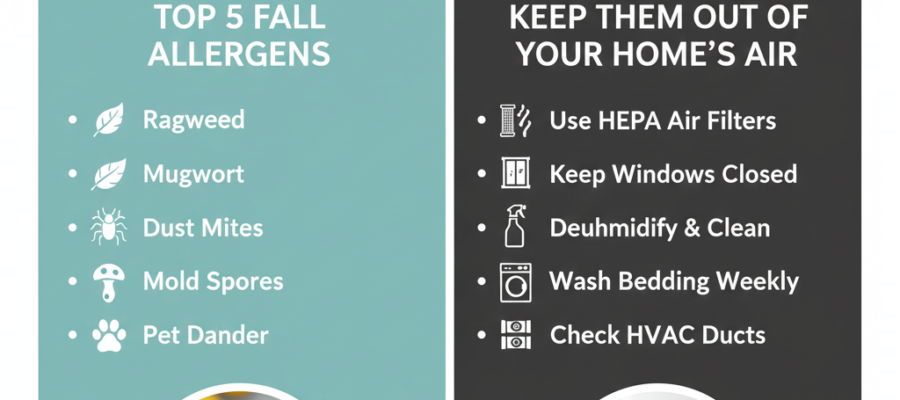
Ragweed New Jersey sees from late August through October is the biggest culprit for fall allergies. One plant can release a billion pollen grains that drift for miles. The ragweed season around Ocean County can be particularly rough because of the Pine Barrens and sandy coastal areas where it grows thick. Homeowners in Toms River often feel it the worst during peak bloom.
The pollen sticks to your clothes, hair, and pets when you’re outside. Then it gets tracked into your home and blown around by your HVAC system. Shower after being outdoors for a while and change your clothes before settling onto the couch.
2. Mold from Wet Leaves
Those leaf piles in your yard look nice, but they’re growing mold. Mold allergies from wet leaves come from all that damp foliage sitting in yards and clogged gutters. When leaves get wet and start breaking down, mold spores go airborne and get inside on your shoes, through windows, and on your pets.
Residents of Paramus and other leafy areas should rake often and keep gutters clean. Mold grows in damp basements and bathrooms, so you’re fighting it on multiple fronts during fall.
3. Dust Mites From Your Heating System
The first time you fire up your furnace after summer, you’re blowing months of dust mites through your house. These tiny bugs live in your bedding, furniture, and carpets all year. When the heat kicks on, they get circulated everywhere.
Wash your sheets and pillowcases weekly in hot water (at least 130°F) to kill them. A vacuum with a HEPA filter helps get them out of mattresses and upholstery. Dealing with indoor allergens NJ families face means tackling dust mites before they start bothering you.
4. Other Fall Plants
Ragweed isn’t alone. Goldenrod, sagebrush, and some grasses keep putting out pollen into October. If you live in Trenton or other urban spots, pollution and car exhaust can make the pollen even more irritating to breathe.
5. Pet Dander Builds Up Indoors
Your pets spend more time inside when it gets cold, which means more dander in your home. It settles on furniture, gets into carpets, and builds up in your air ducts. Even if you’re not allergic to pets, the concentrated dander can bother your breathing.
Wipe down your pet’s paws and fur after they’ve been outside. Regular grooming cuts down on how much dander they’re shedding around your house.
Simple Ways to Reduce Fall Allergies Inside Your Home
Get a Better Air Filter
Your HVAC filter is supposed to catch allergens before they blow through your house. Basic filters don’t do much. The best HVAC filter for allergies in New Jersey is rated MERV 11 to MERV 13. These catch pollen, mold, and pet dander that standard filters miss.
Change your filter every two to three months, or monthly during allergy season. A dirty filter can’t do its job and makes your system work harder than it needs to.
Watch Your Humidity
Mold and dust mites love moisture. Keep humidity below 50% and they can’t thrive. You can pick up a hygrometer for around twenty bucks to check levels in different rooms.
Run a dehumidifier in damp basements and bathrooms. Opening windows during showers and using exhaust fans when cooking helps too.
Stop Allergens at the Door
Take your shoes off when you come inside. Use doormats outside and inside to catch pollen and dirt. If you’ve been working in the yard or spending time outside on a high pollen day, change your clothes before sitting on furniture.
These habits feel like extra work at first, but they become automatic fast and really do cut down on how much you’re sneezing.
Clean Differently
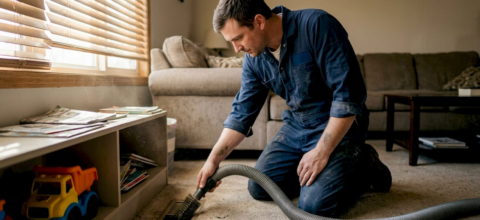
Regular vacuums can blow allergens back into the air. Get one with a HEPA filter. When you dust, use a damp microfiber cloth instead of a dry one so you’re catching stuff instead of moving it around.
Don’t forget ceiling fan blades, window blinds, and shelves. These spots collect a lot of dust but often get skipped.
Check Your Air Ducts
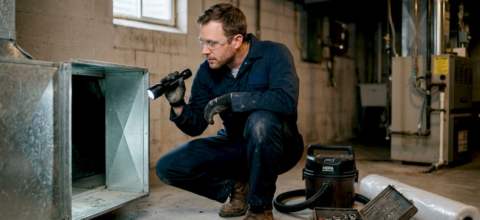
Even with good filters and regular cleaning, your ducts can hold years of dust, pollen, and mold. Every time your system runs, it might be pushing those allergens back out. Getting your ducts cleaned removes what’s built up and usually makes a noticeable difference.
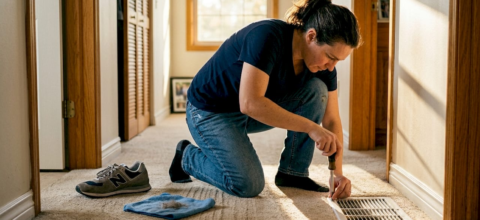
If you smell something musty when the heat turns on or see dust around your vents, it’s probably time.
When Does Allergy Season Ends in NJ?
Ragweed usually dies down after the first hard frost, typically late October or early November. Outdoor mold drops off once it stays below freezing. But dust mites and pet dander don’t go anywhere. They cause more problems in fall and winter when houses are closed up tight.
Managing Fall Allergies Starts with Indoor Air
You shouldn’t have to miss out on autumn in New Jersey because of allergies. Better filters, lower humidity, and keeping allergens outside makes a real difference. Most of these fixes don’t cost much or take long to set up.
If you’re still struggling after trying these steps, your ductwork might be the problem. Old buildup can overwhelm even good filters. Cleaning out what’s been sitting in there for years often gives people the relief they’ve been looking for.