Norwalk’s New Housing Rules: What the 2025 Zoning Changes Mean for Your Home Air Quality
If you live in Norwalk, Connecticut, you’ve probably heard the conversations about new housing regulations. Town meetings, neighborhood Facebook groups, and coffee shop chats all seem to circle back to the same question of what’s happening with local development. Most discussions focus on property values and traffic. But there’s something else homeowners should consider when it comes to how these changes might affect the air inside your home.
More housing development brings more than new neighbors. It brings construction dust, vehicle exhaust, and changes to how air moves through your neighborhood. For families concerned about health, knowing what to expect helps you stay ahead of potential problems.
Norwalk’s SB-8002 Housing Bill: What’s Changing?
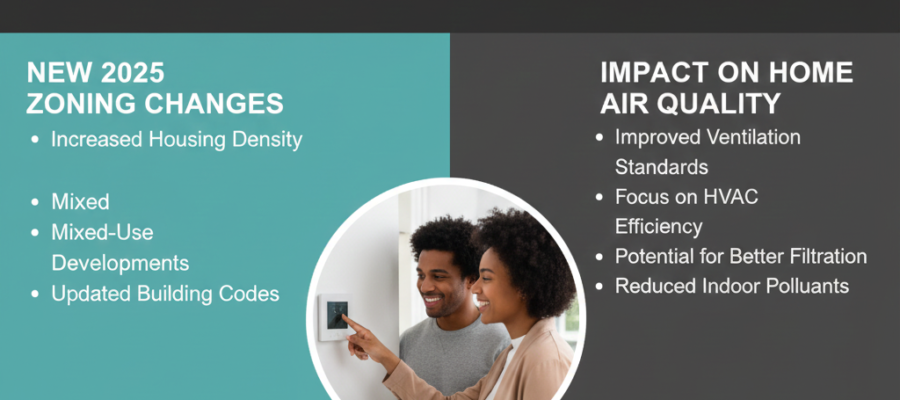
Connecticut’s SB-8002 housing bill is pushing for more diverse housing options across the state. In Norwalk, this means zoning regulations are being updated to allow different types of homes in areas that were once strictly single-family. Smaller lot sizes, townhomes, and multi-family buildings may start appearing in neighborhoods where they weren’t permitted before.
Construction has already increased in areas like East Norwalk and Rowayton. The result is more building activity, higher residential density, and a changing landscape across town.
Why Nearby Building Projects Create Dust Problems Indoors
When new homes go up near your property, dust becomes an immediate concern. Building sites create a lot of particulate matter that travels on windy days. This dust doesn’t just land on your car. It finds its way into your home through gaps around windows and doors, and through your HVAC system if the filter isn’t up to the task.
The impact of construction on indoor air quality goes beyond what you can see. Concrete dust, wood particles, and demolition debris are all small enough to stay airborne for hours. Once inside, they circulate through your home’s ductwork. This matters most for children and anyone with asthma or allergies.
Understanding Chemical Emissions from Nearby Construction
New building materials release chemicals into the air. Paint, adhesives, flooring, and treated wood all emit volatile organic compounds, or VOCs. When several homes are being built at once, these chemicals concentrate in the outdoor air. Some drift into nearby homes, especially when windows are open or through HVAC intake vents.
You might notice new chemical smells when construction is active. VOCs can cause headaches and irritation. Keeping home air clean during neighborhood construction means paying attention to when these emissions are strongest, usually during framing and finishing work.
What Higher-Density Development Means for Local Air Quality
Permanent changes to neighborhood density affect air quality in ways that aren’t obvious. Taller buildings change how wind moves through an area. When a three-story building replaces a single-story home with a yard, air flows differently. Pollutants that used to disperse can get trapped.
Less green space matters too. Trees and grass naturally filter air, absorbing pollutants. As lots get subdivided and developed more intensively, there’s less vegetation doing this work. That means fewer natural mechanisms for cleaning the air before it enters your home.
How Increased Traffic from New Housing Affects Air Quality
Higher housing density means more vehicles on local streets. Morning and evening traffic gets heavier. Vehicle exhaust contains nitrogen oxides and fine particles. Homes near roads with increased traffic may see higher levels of these pollutants, especially if winds blow them toward your property.
When it comes to indoor air quality for multi-family homes, there are additional factors. Apartment buildings and townhomes have shared ventilation systems that can transfer cooking odors, cleaning product fumes, and other pollutants between units.
Steps to Reduce Construction Dust Impact in Your Home
Start by noticing what’s happening in your home. Are you dusting more often? Do family members have new respiratory symptoms when construction is nearby? These signs can tell you that outdoor pollutants are getting inside.
Check window and door seals. Weather stripping wears out, and small gaps let in construction dust and vehicle emissions. Replacing worn seals is inexpensive and makes an immediate difference.
Choosing the Right Air Filters When Construction Is Nearby
Your HVAC filter catches airborne particles before they spread through your home. Basic filters with low MERV ratings let fine particles pass through. Filters with MERV ratings between 11 and 13 catch smaller particles, including construction dust. Change filters more often when there’s construction nearby.
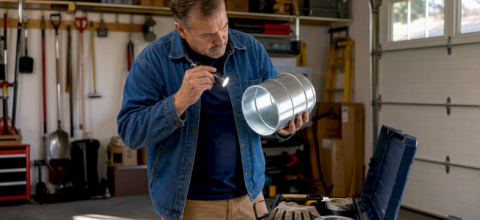
If you’ve noticed more dust or if there’s been construction in your area, having your ducts checked can help. Ductwork is like your home’s lungs. When it fills with construction debris, your heating and cooling system keeps recirculating those particles throughout your house.
Living in Condos, Townhomes, or Apartments
Multi-family buildings have their own air quality challenges. Shared walls often mean shared air. Cooking smells, cleaning products, and smoke from neighboring units can move through gaps or ventilation systems. As Norwalk adds more multi-family housing, understanding how air quality works in these buildings becomes more relevant.
If you manage a multi-family property, pay attention to common area ventilation and shared ductwork. Regular maintenance benefits everyone and prevents problems from affecting multiple households.
Taking Control of Indoor Air as Your Neighborhood Changes
Norwalk’s housing situation is changing, and opinions vary on what that means for the community. But regardless of how you feel about development, protecting your family’s health remains within your control.
Simple steps make a difference. Better filters, checking window and door seals, and keeping your ductwork clean all help maintain good indoor air quality, especially as construction activity increases around town.
If you’ve noticed changes in your home’s air or you’re concerned about nearby construction, a professional ductwork inspection can give you useful information about what’s happening inside your HVAC system.