Signs of Toxic Black Mold in Air Vents: What to Look for in Your Home
Do you often experience nasal congestion, throat irritation, wheezing, or itchy eyes while indoors? While these symptoms are commonly linked to seasonal allergies, the real issue might be hidden within your home—inside your air vents.
One potential culprit is black mold, a hazardous intruder that thrives in damp environments. Stachybotrys chartarum, commonly known as black mold, appears as a dark greenish-black or gray substance. It spreads by releasing spores into the air, which, when inhaled, can lead to various health issues.
Black Mold in Air Vents
Mold is often visible on walls, floors, ceilings, and furniture, making it relatively easy to clean. However, when black mold begins to develop inside air vents, it’s harder to detect and address. Identifying early signs is crucial for maintaining a healthier indoor environment and preventing the issue from spreading.
Health Symptoms of Black Mold Exposure
Black mold in air vents can release spores that circulate throughout your home, leading to a range of health issues. Common symptoms include:
- Eye Irritation – Red, itchy, or watery eyes caused by airborne mold spores.
- Headaches – Frequent or persistent headaches due to prolonged exposure to mold toxins.
- Respiratory Issues – Difficulty breathing, wheezing, or shortness of breath, especially for those with asthma or pre-existing lung conditions.
- Chronic Coughing and Sneezing – Mold exposure can trigger ongoing respiratory irritation, even in individuals without allergies.
- Throat and Nasal Irritation – Mold spores can inflame the mucous membranes, leading to persistent throat discomfort, congestion, or post-nasal drip.
- Cognitive Effects – Some people experience difficulty concentrating, brain fog, or increased fatigue due to prolonged exposure to mold-contaminated air.
If you or your family members notice these symptoms worsening at home and improving when you leave, black mold in your air vents could be the hidden cause.
Four Steps to Remove Black Mold from Air Vents
Removing black mold from air vents requires a strategic approach to prevent it from returning. Follow these essential steps:
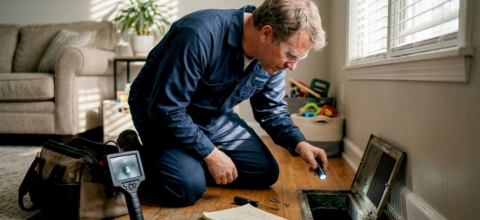
Step 1: Professional Inspection
Before taking any action, contact a mold remediation specialist to inspect your air vents. A professional assessment will confirm whether the substance is black mold (Stachybotrys chartarum) and determine the extent of the contamination. DIY tests can be unreliable, making expert evaluation crucial for proper treatment.
Step 2: Check the Insulation
If black mold has spread beyond the vents and into the insulation, the affected materials must be replaced. Mold-contaminated insulation cannot be effectively cleaned and may continue to release spores into the air, worsening indoor air quality.
Step 3: Clean and Disinfect the Ductwork
Professional duct cleaning services use specialized equipment, such as high-powered vacuums, rotary brushes, and EPA-approved antimicrobial treatments, to eliminate mold growth. Disinfecting the entire ventilation system removes mold spores and lingering contaminants.
Step 4: Identify and Address the Root Cause
Mold thrives in damp environments, so it’s essential to determine what led to the growth in the first place. Common causes include excess humidity, leaks, poor ventilation, or an HVAC system that isn’t properly maintained. Without addressing these issues, black mold can reappear even after thorough cleaning.
By following these steps, you can remove black mold from your air vents and prevent future infestations, creating a healthier indoor environment.
Signs of Black Mold in Air Vents
Musty Odors
If you notice an unpleasant, damp smell when the AC is running, it could be a sign of mold growth inside the ductwork. Older homes in areas like White Plains, NY, where humidity and aging infrastructure are common, may be more prone to this issue.
Black Dust Around Air Vents
Black, patchy dust that isn’t easy to wipe away may indicate black mold inside the vents. Mold growth often points to underlying issues with the air conditioning system, such as excess moisture or poor ventilation. In homes around White Plains, NY, fluctuating weather conditions can contribute to mold development in air ducts.
Checking your air vents regularly can help detect mold early, allowing for quick action to improve indoor air quality and reduce potential health risks.
How to Remove Mold
Eliminating black mold from air vents is a challenging task. Cleaning must be done correctly, thoroughly, and with caution—otherwise, the mold can return and spread throughout the house.
Hiring a professional is the safest and most effective way to handle mold removal. The process involves toxic substances, requires specialized equipment, and can be time-consuming. A qualified expert can not only remove the mold but also identify the source of moisture that allowed it to grow in the first place.
Experienced technicians at Amazon Air Duct Cleaning use advanced tools and high-quality treatments to eliminate mold from air vents. We don’t just clean—we address the root cause, preventing mold from reappearing and helping you maintain a healthier indoor environment.
Expert Mold Removal Services in NJ
If you suspect black mold is growing in your air vents, taking swift action can help safeguard your home and well-being. Mold spreads rapidly, contaminating the air you breathe and contributing to respiratory problems.
Amazon Air Duct Cleaning provides thorough mold remediation for homes and businesses in Toms River & Trenton, NJ ,and White Plains, NY. Our skilled technicians use advanced cleaning techniques and powerful treatments to eliminate mold at its source, preventing regrowth and improving indoor air quality.
Don’t let mold take hold in your ventilation system. Contact us today to schedule a professional inspection and restore clean, breathable air in your home or business.