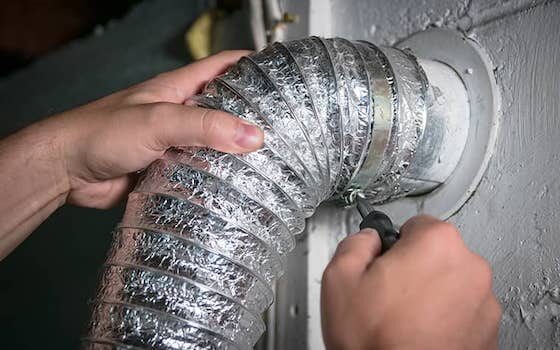
THE IMPORTANCE OF HAVING YOUR DRYER VENTS CLEANED
Keeping your dryer vents clean is important for a number of reasons which include not only energy savings but safety.
A dryer works by pushing out hot, moist air so your clothes can dry. If your dryer vent to the outside becomes blocked by lint, the air will not be able to expel moisture like it was designed to do. The result will be trapped moisture that takes more heat energy to evaporate.
If you start to notice any of these things, it’s likely you have a lint problem.
It takes longer to dry clothes
With hot, moist air kept inside the dryer drum, it takes much longer and more heat to dry the clothes. This is hard on your dryer, your clothes, and reduces the life of both.
Clothing is hot to the touch
Clothing is supposed to be hot and fresh from the dryer, right? Wrong. If your clothes – or your dryer are noticeably hot to the touch at the end of a cycle, it means the dryer is not exhausting through the vent properly. Everything overheats – and overheating is never a good thing.
You smell something burning
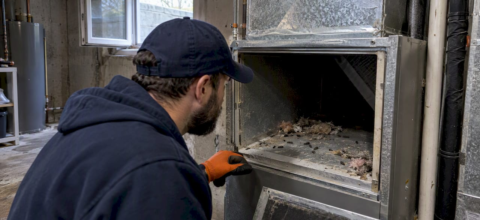
Bad news – lint is very flammable, and when it builds up in the exhaust vent, lint trap, and drum casing, it can actually catch on fire. Between 2016 and 2020 there were almost 16,000 home fires reported to U.S. Fire Departments – and the majority of them were caused by dryers. In a third of the dryer fires, lint build up was a leading factor.
The vent hood doesn’t open
If the dryer duct hood flap doesn’t open, you likely have lint build up there and in the dryer hose. This is a good time to clean out the lint – or have a professional do it for you.
When your dryer is properly installed, lint shouldn’t collect excessively in the exhaust vent or dryer hose, especially if you’re cleaning the dryer vent screen regularly after every use.
Your dryer drum shouldn’t need cleaning unless you regularly dry pet items or sandy, gritty clothes. Always proactively shake out any hair or grit, and maybe wipe down the drum with a damp cloth after drying these items.
Lint build-up does happen, however – and should be taken seriously. You should check it yourself regularly – or better yet have an HVAC professional give you a hand.
Call 800-482-8224 to schedule an appointment with an Amazon Air Duct Cleaning Professional today!
You may have heard that the government is banning the refrigerant in your air conditioner. Before you worry about what happens to my R-410A air conditioner in 2025, let’s clear something up. The EPA HVAC rules for 2025 apply to new equipment made after January 1, 2025. Your existing unit is fine. You can keep using it, and nobody is forcing you to replace
Fall in New Jersey brings beautiful foliage and cooler weather, but it also means sneezing, itchy eyes, and congestion for many of us. Fall allergies can be tricky because we deal with everything from coastal ragweed to mold from damp leaves. If you know what’s triggering your symptoms, you can do something about it. You can’t control what’s happening outside, but you can make
Is your upstairs bedroom unbearably hot while your downstairs family room feels like an icebox? If you live in a split-level home in Paramus, this probably sounds familiar. These temperature swings aren’t just uncomfortable, they’re built into how split-level homes work. But you don’t have to live with it. HVAC zoning technology fixes the temperature imbalance that’s frustrated homeowners for decades. Why Split-Levels Have
If you own a historic home in Trenton, you already know what makes these houses incredible. High ceilings, original woodwork, hand-finished plaster walls. These details don’t exist in modern construction. But when July hits or January rolls around, keeping comfortable gets tricky. You can add climate control without tearing apart what makes your house special. Most people think they have to choose between keeping
That old beige thermostat on your wall? It wasn’t much to look at, and it didn’t do much thinking either. Today’s smart thermostats promise energy savings, remote control, and learning algorithms that adapt to your life. But are they worth it for your home, or is this just another tech gadget solving a problem that doesn’t exist? For homeowners in New Jersey, New York,
You may have heard that the government is banning the refrigerant in your air conditioner. Before you worry about what happens to my R-410A air conditioner in 2025, let’s clear something up. The EPA HVAC rules for 2025 apply to new equipment made after January 1, 2025. Your existing unit is fine. You can keep using it, and nobody is forcing you to replace
Fall in New Jersey brings beautiful foliage and cooler weather, but it also means sneezing, itchy eyes, and congestion for many of us. Fall allergies can be tricky because we deal with everything from coastal ragweed to mold from damp leaves. If you know what’s triggering your symptoms, you can do something about it. You can’t control what’s happening outside, but you can make
Is your upstairs bedroom unbearably hot while your downstairs family room feels like an icebox? If you live in a split-level home in Paramus, this probably sounds familiar. These temperature swings aren’t just uncomfortable, they’re built into how split-level homes work. But you don’t have to live with it. HVAC zoning technology fixes the temperature imbalance that’s frustrated homeowners for decades. Why Split-Levels Have
If you own a historic home in Trenton, you already know what makes these houses incredible. High ceilings, original woodwork, hand-finished plaster walls. These details don’t exist in modern construction. But when July hits or January rolls around, keeping comfortable gets tricky. You can add climate control without tearing apart what makes your house special. Most people think they have to choose between keeping