Trenton Homeowners: Why Your Energy Bills Jump in Winter (And What to Do)
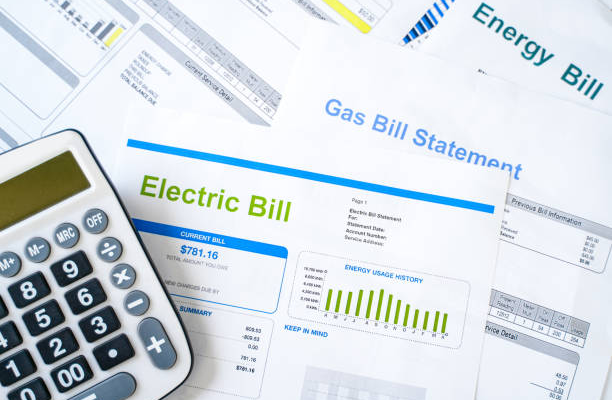
Picture this: you open your PSE&G bill after a brutal January in Trenton, and the number makes your heart skip a beat. Sound familiar? You’re not alone. Homeowners across New Jersey experience this winter shock, asking “why is my heating bill so high?” The answer usually sits in your home’s HVAC system and how well it handles our tough weather.
This blog will walk through why energy costs rise in winter and what you can do to keep them in check.
Why Do Your Winter Energy Bills in Trenton Cost So Much in Winter?
Trenton’s winter climate creates the perfect storm for high energy demand. Humidity forces furnaces and heat pumps to work harder, while temperature swings keep them from running at peak performance.
Many local homes were built before efficiency was a priority, with poor insulation, leaky windows, and outdated systems that drive up heating costs.
Common Heating Problems Behind Skyrocketing Bills
Dirty Furnace Filters
Dirty filters are a common cause of high winter bills. When they clog with dust and pet hair, airflow gets blocked, and the furnace runs longer to push warm air.
The fix is simple: replace disposable filters monthly or clean reusable ones as directed. This small step can cut heating costs by 5–15%, improve air quality, and extend furnace life.
Duct Leaks
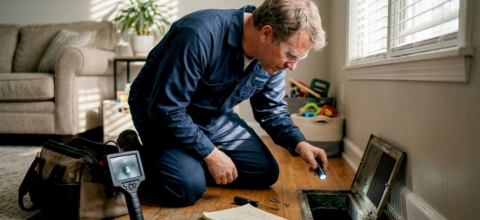
Leaky ducts drain energy all winter. Cracks and gaps let heated air escape into crawl spaces and walls instead of reaching rooms—often wasting 20–30% of output.
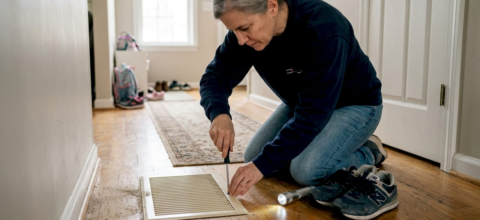
Seal visible joints with metallic tape or mastic. For bigger issues, professional duct cleaning and sealing can stop leaks and improve efficiency.
Neglected Condenser Coils
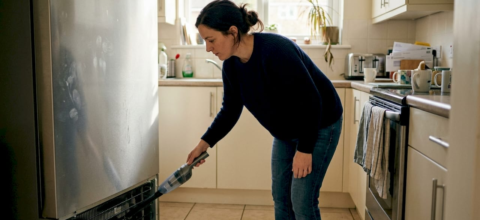
Heat pumps need clean outdoor coils to absorb heat. Ice, dirt, and leaves block transfer, forcing the system to use more electricity.
Coil cleaning is usually worth it—often paying for itself in one heating season by restoring efficiency and lowering costs.
HVAC Efficiency Tips for Winter Preparation
Smart Thermostat Usage
Smart thermostats can cut winter heating costs without reducing comfort. Programming setbacks while you sleep or when the house is empty avoids wasted energy. Dropping the temperature 7–8 degrees for eight hours a day can lower bills by about 10% a year.
Modern models go further with learning features, usage reports, and even utility rebates that make upgrading more affordable.
Insulation and Air Sealing Improvements
Stopping heat loss through your home’s envelope delivers lasting savings. Attic insulation is the top priority since heat rises—bringing New Jersey homes up to R-38 to R-60 standards can reduce heating loads significantly.
Air sealing adds another layer of efficiency. Simple steps like weatherstripping, caulk, and foam seal drafts around windows, doors, and outlets. An energy audit can spot hidden leaks and show where upgrades will save the most.
Furnace Prep That’ll Save You Money This Winter
Furnace Tune Up Essentials
Annual tune-ups keep furnaces running properly. Technicians clean components, calibrate controls, test safety systems, and replace worn parts to prevent breakdowns. This avoids emergencies and maintains peak performance in cold snaps.
A tune-up usually covers gas connections, heat exchangers, burners, and combustion checks. These steps keep operation safe and fuel use efficient. Many plans also offer priority service and repair discounts.
Winter Heat Pump Maintenance
Heat pumps require winter preparation to maintain performance. Service typically includes refrigerant checks, defrost control testing, coil cleaning, and airflow verification. With year-round operation, regular upkeep is critical.
Defrost calibration is particularly important in Trenton’s climate. Faulty settings lead to ice buildup, reduced heat transfer, and frequent reliance on backup heat. Correct adjustment minimizes waste and ensures reliable heating.
Why Your HVAC Works So Hard (And How to Fix It)
When your system struggles to keep up, it usually means the equipment is outdated, the ductwork is inefficient, or the system is cycling too often. Addressing these issues not only cuts bills but also makes your home more comfortable.
Smart HVAC Upgrades
Upgrading old heating equipment delivers the biggest long-term savings. High-efficiency furnaces use 90–96% of fuel compared to 60–80% for older units. Cold-climate heat pumps also maintain performance during New Jersey’s freezing winters.
Variable-speed systems adjust output to match demand, avoiding the waste of constant on-off cycling. They run longer at lower speeds, keeping temperatures steadier and energy use lower.
Ductwork Improvements
Ductwork upgrades boost efficiency alongside new equipment. Professional sealing can cut air leaks by up to 90%, while insulating ducts in unconditioned spaces reduces heat loss and improves response times.
Modifications also solve comfort issues that drive thermostat overuse. Adding return ducts, resizing supply ducts, or installing dampers for zone control improves airflow, efficiency, and comfort.
Don’t Let Winter Energy Costs Control Your Budget
Knowing why energy bills spike in Trenton winters makes it easier to take action. Start with simple steps like filter changes and thermostat settings, then move to professional maintenance and upgrades that fit your home and budget.
New Jersey’s tough winters and older housing create big opportunities for savings. With regular maintenance, smart habits, and targeted improvements, homeowners can cut costs, stay comfortable, and avoid those shocking winter bills.