Contact Us


    (800) 482-8224
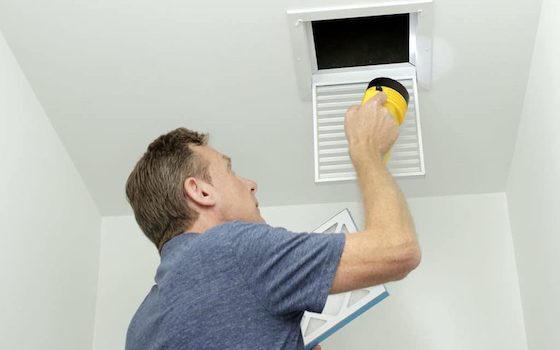
    commercial-air-duct-cleaning-service-1024x585

    What are your ducts made of ?

    If you are thinking about getting your air ducts cleaned before the heating/cooling season, there are some consumer tips you should be aware of before you hire a technician to do this service; or attempt Do – it – Yourself duct cleaning.

    Duct – Cleaning How – To’s are not legally mandated, but there are associations that police the industry. A trained technician who understands the intricacies of an HVAC system, and is certified by NADCA is your best bet as a homeowner; but first, know what type(s) of duct material need special attention:

    What Your Ducts are likely made of:

    Duct Board

    A fiberglass board usually covered with aluminum foil on the outside. Several boards can be assembled together to help airflow and maintain temperature. The fiberglass in a duct board serves primarily as an insulation barrier for the air passing through the duct. The metallic foil side of a duct board serves as a vapor barrier. This layer protects moisture from being trapped within the fibers. Many duct boards have their fiberglass treated to also help prevent the spread of air duct mold and fungus through its hardware.

    Pros: Among its many benefits include its lightweight construction and durability.

    Cons: Wetness can be harmful to the fiberglass and can lead to costly replacement.

    Metal Duct

    Sheet metal duct is made from galvanized steel. Sheet metal can be insulated in 2 ways…

    1. Inside: Sheet metal ducts are sometimes lined on the inside with fiberglass or other material to insulate the duct and to deaden sound.
    2. Outside: Insulation can be wrapped on the outside of the duct for insulation properties while reducing restrictions on the inside of the duct and reducing places for dust and particles to be trapped.

    Pros: It can be produced in many shapes and/or sizes to fit unusual locations, has excellent air flow properties, and resistant to water damage – unlike most other products.

    Cons: Sheet metal ducting that is lined on the inside for insulation value allows for dust and particles to be trapped in the exposed part of the insulation, has restricted air flow, which ultimately increases the chances of mold or mildew growth.

    Flex Duct

    This is made of flexible plastic over a metal wire coil to make round, flexible duct. Next, there is a layer of fiberglass insulation that covers the duct, and lastly an outside jacket of vinyl or foil layer that protects the insulation.

    Pros: Flexible duct is excellent for reducing noise from equipment, can quickly be installed, has a good vapor barrier, and it can be easily replaced and/or repaired.

    Cons: Requires replacement, and is easily damaged: Touching against any sharp objects could also rip it beyond repair. You have to be extremely careful while working with it.

    Call Amazon Air Duct Cleaning 800-482-8224 for Air Duct Cleaning or inspection.

    author avatar
    amazonairpro
    16 August, 2021
    2025 Refrigerant Phase-Out 20 November, 2025
    The 2025 Refrigerant Phase-Out: What the EPA’s New Rules Mean for Your Old AC Unit

    You may have heard that the government is banning the refrigerant in your air conditioner. Before you worry about what happens to my R-410A air conditioner in 2025, let’s clear something up. The EPA HVAC rules for 2025 apply to new equipment made after January 1, 2025. Your existing unit is fine. You can keep using it, and nobody is forcing you to replace

    #image_title
    New Jersey’s Top 5 Fall Allergens and How to Keep Them Out of Your Home’s Air

    Fall in New Jersey brings beautiful foliage and cooler weather, but it also means sneezing, itchy eyes, and congestion for many of us. Fall allergies can be tricky because we deal with everything from coastal ragweed to mold from damp leaves. If you know what’s triggering your symptoms, you can do something about it. You can’t control what’s happening outside, but you can make

    Paramus Split-Level Temperature
    Solving the Split-Level Problem: How Paramus Homeowners Can Finally Balance Their Home’s Temperature

    Is your upstairs bedroom unbearably hot while your downstairs family room feels like an icebox? If you live in a split-level home in Paramus, this probably sounds familiar. These temperature swings aren’t just uncomfortable, they’re built into how split-level homes work. But you don’t have to live with it. HVAC zoning technology fixes the temperature imbalance that’s frustrated homeowners for decades. Why Split-Levels Have

    Trenton historic home HVAC
    The Trenton Historic Homeowner’s Guide to Modern HVAC

    If you own a historic home in Trenton, you already know what makes these houses incredible. High ceilings, original woodwork, hand-finished plaster walls. These details don’t exist in modern construction. But when July hits or January rolls around, keeping comfortable gets tricky. You can add climate control without tearing apart what makes your house special. Most people think they have to choose between keeping

    Smart Thermostats
    Do Smart Thermostats Save Money? What to Know in 2025

    That old beige thermostat on your wall? It wasn’t much to look at, and it didn’t do much thinking either. Today’s smart thermostats promise energy savings, remote control, and learning algorithms that adapt to your life. But are they worth it for your home, or is this just another tech gadget solving a problem that doesn’t exist? For homeowners in New Jersey, New York,

    2025 Refrigerant Phase-Out
    The 2025 Refrigerant Phase-Out: What the EPA’s New Rules Mean for Your Old AC Unit

    You may have heard that the government is banning the refrigerant in your air conditioner. Before you worry about what happens to my R-410A air conditioner in 2025, let’s clear something up. The EPA HVAC rules for 2025 apply to new equipment made after January 1, 2025. Your existing unit is fine. You can keep using it, and nobody is forcing you to replace

    #image_title
    New Jersey’s Top 5 Fall Allergens and How to Keep Them Out of Your Home’s Air

    Fall in New Jersey brings beautiful foliage and cooler weather, but it also means sneezing, itchy eyes, and congestion for many of us. Fall allergies can be tricky because we deal with everything from coastal ragweed to mold from damp leaves. If you know what’s triggering your symptoms, you can do something about it. You can’t control what’s happening outside, but you can make

    Paramus Split-Level Temperature
    Solving the Split-Level Problem: How Paramus Homeowners Can Finally Balance Their Home’s Temperature

    Is your upstairs bedroom unbearably hot while your downstairs family room feels like an icebox? If you live in a split-level home in Paramus, this probably sounds familiar. These temperature swings aren’t just uncomfortable, they’re built into how split-level homes work. But you don’t have to live with it. HVAC zoning technology fixes the temperature imbalance that’s frustrated homeowners for decades. Why Split-Levels Have

    Trenton historic home HVAC
    The Trenton Historic Homeowner’s Guide to Modern HVAC

    If you own a historic home in Trenton, you already know what makes these houses incredible. High ceilings, original woodwork, hand-finished plaster walls. These details don’t exist in modern construction. But when July hits or January rolls around, keeping comfortable gets tricky. You can add climate control without tearing apart what makes your house special. Most people think they have to choose between keeping