What Harmful Particles & Organisms Are Found In Air Ducts?
What Harmful Particles & Organisms Are Found in Air Ducts?
An air duct is clean when it’s first installed, but once air start blowing through, and especially when there’s no air moving through, germs and other contaminants build up on the sides of the air duct. Worse, these particles can get blown through the ducts and out through the vents, at which point they’ll spend some time suspended in the air. And if you happen to breathe them in, a range of respiratory issues can be the result.
So what exactly are the germs and contaminants that can build up in an air duct? Do they negatively affect the system? How are they removed? Our team has been specializing in air duct cleaning in Manchester for years, and our technicians answer these important questions below.
Here’s What Can Make Your Air Ducts Dangerous
Keep in mind that while all the particles listed below can be harmful, some are more harmful than others. Also, some are nearly possible to remove completely. But after a thorough, professional air duct cleaning, close to 99% of these elements are removed.
Mold & Mildew
Both mold and mildew are organic growths that often spawn in damp places. Both growths feed off moisture, and if you live in a place that’s humid your air ducts can be prone to mold growth. Mold is one of the most harmful particles that can be found in an air duct, though in small amounts it won’t do a lot to a human being. Still, once mold grows, it spreads, and eventually a minor issue could turn into a big problem if not addressed properly. You shouldn’t attempt to do mold removal on your own, especially if you don’t know what you’re doing. This is one reason why it’s best to hire professionals.
Bacteria & Microorganisms
Bacteria and microorganisms can live in air ducts. If these are blowing through the vents and becoming part of the air that’s circulating throughout your home, you may breathe them in and get sick. They can also exacerbate allergies. Bacteria and microorganisms can be harmful, so cleaning should be executed immediately if you suspect there’s a high concentration of these negative elements in the air.
Dirt, Dust & Lint
Dust, dirt, and lint are the most common elements that blow through and build up in HVAC systems. While not as harmful as the two elements above, these can be problematic not only to you but to your system as well. These particles tend to build up, and eventually buildup may restrict airflow so much that it causes your system to have to strain to push air through. And when buildup solidifies, it’s going to take more than air to dislodge it.
Building Debris
This kind of debris will be especially problematic if you’re doing a home renovation or you’re in an apartment building where work is being conducted. Building debris like fine concrete particles, dust, and insulation can all find their way into your HVAC system and eventually into your lungs.
How Do These Negative Elements Affect an HVAC System?
If an air duct network gets too dirty, it can hamper the system and cause it to run improperly. Specifically, a dirty HVAC system will have to work overtime to push the air through, and this strenuous activity could lead the system to malfunction and become inoperable. The system being too dirty could also wear its components down; dirt and other debris can wear metal over time. And an excessive amount of buildup could cause problems with the vents and blowers.
How to Remove Negative Elements From Air Ducts
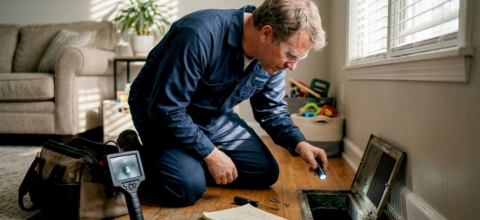
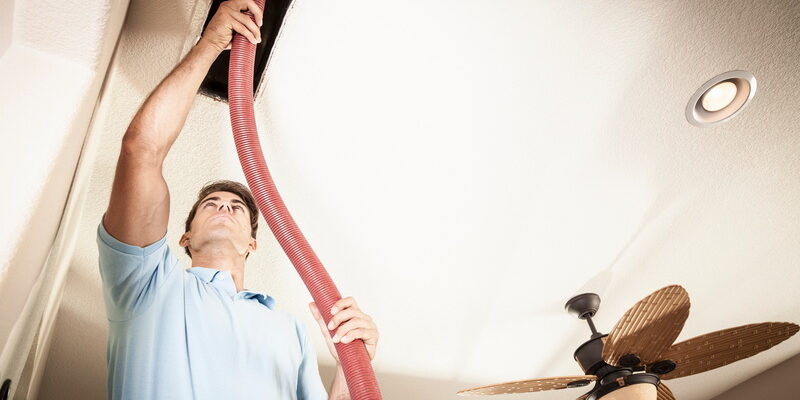
Air duct cleaning is often a two-part system. The first part involves a comprehensive cleaning of the ducts. Once this is complete, a special vacuum is brought in to suck out remaining particles. Advancements in technology have been a great advantage for modern HVAC specialists. Now cameras are employed so technicians can see where trouble spots are and address them accordingly.
Are Commercial or Residential Air Ducts Dirtier?
Since commercial air ducts are larger and therefore harder to clean, these tend to be dirtier when compared to residential air ducts. That being said, both a residential air duct network and a commercial one risk getting excessively dirty if not maintained properly. Regardless of what kind of system you have, it should be maintained and cleaned regularly to ensure optimal performance.
How Much Is Air Duct Cleaning?
A professional air duct cleaning service can be anywhere from $250 to $500. The price of the service depends on a variety of factors, including the size of the system being cleaned, the cost of labor, the amount of time it takes to clean the system, as well as your location. If you have a larger commercial system, you can expect to pay on the higher end for air duct cleaning because these systems are often complex.
How Long Does Air Duct Sanitizing Take?
The time it takes to clean air ducts largely depends on the size of the system and the expertise of the professionals cleaning it. Typically it will take a professional air duct cleaning service an hour or so to get ducts spotless and sanitary. However, if excessive dirtiness has caused a component to malfunction, it may take longer because a part replacement will be necessary.
When Is the Right Time to Hire Professional Air Duct Cleaners?
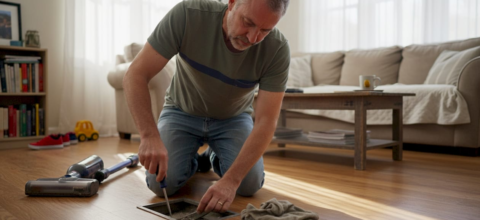
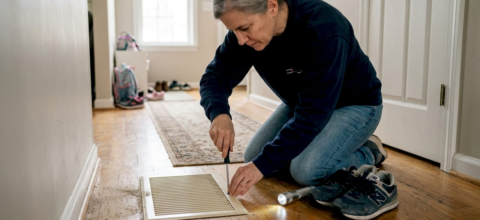
The most effective and efficient air duct cleaning services are provided by professionals, as they possess the expertise and know-how necessary, along with the tools and cleaning materials, to meticulously clean an air duct. It’s best not to do air duct cleaning DIY, as most DIYers only achieve a fraction of the results the professionals can achieve.
Call +1 (800) 482-8224 now to schedule an appointment with us. Our technicians know the ins and outs of air duct cleaning in Manchester, and we will meticulously clean your air ducts for an affordable price.