Why Clean Air Ducts are Important?
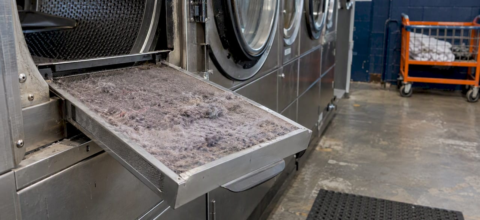
Simple answer: because if they are dirty, your air is dirty too. Dirt and toxins will travel through ducts making it hard to breathe and putting the HVAC system under the pressure of working harder than it should. So, we already covered the question of why clean air ducts, but you definitely need more details on why it is so important, when you should do it and how exactly. So, we’ll have to take a closer look into your air ducts.
Cleaning air ducts: is it a waste of money and time
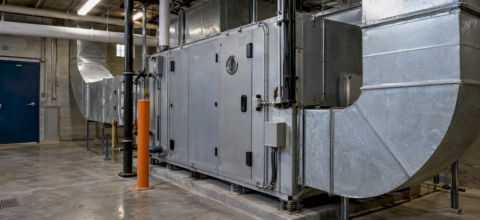
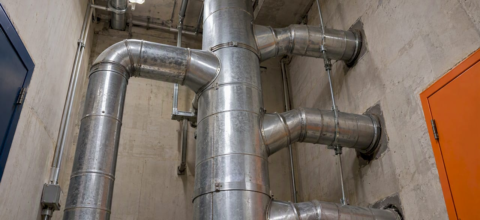
Definitely, not. The air ducts are “arteries” which carry the air throughout your house, connecting the HVAC system with air vents. If you make them dirty, the rest of the ventilation mechanism will get clogged too. The contaminants get into the HVAC system getting circulated over and over 5-7 times a day. This dirt and dust carousel is not the best way to treat the expensive system. So, tell me, is it cheaper to pay for an entire HVAC system and air vent removal or simply clean air ducts? This is why is air duct cleaning important.
But how will you know that your air ducts are dirty? Check them. If they have:
- mold;
- rodents or insects parts;
- the unknown before symptoms of allergy occurred or you just began feeling not very well;
- strange odors, like a cheesy smell or the scent of rotten eggs (might be a dead mouse, skunk, or possum);
- a lot of dust coming from supply vents.
The air ducts tend to get dirty pretty quickly especially if you:
- smoke;
- have a home repair;
- have pets (particularly furry ones);
- know that your HVAC system has been malfunctioning lately.
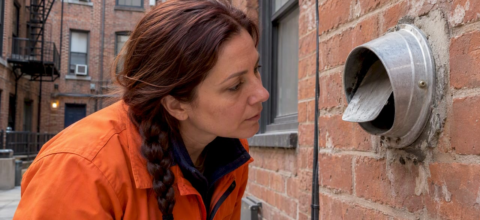
You should have probably already covered the question of why should you clean air ducts by this time and started taking action. If you didn’t see all the hideosities we already described in your air ducts, but are still troubled by possible air duct pollution, you should seek an expert who will check them for you.
Dirty air ducts equals health risks
The other part of why duct cleaning is important is the quality of life. Dander (dry skin particles), mold, dust, dust mites, parts of insects, and all the nasty things will get into your lungs and may cause different diseases. Symptoms of why you should take a look at your air ducts may include:
- Itchy, runny, and stuffy nose.
- Redness around the eyes.
- Swollen skin.
- Swollen throat.
- Coughing, sneezing.
If you experience any of those symptoms it’s time to clean your house, check air ducts and make a therapist’s appointment. It might be an allergy or a symptom of something even more serious. Why should you risk?
Should you clean air ducts all by yourself?
So, we figured out why should you clean your air ducts, now what? You checked them and found something strange. Now it is time to clean them. You can clean air ducts yourself or get help from a professional. If you’re not sure how to do it, one article from the Internet won’t make you a professional. You may just break something and then you will have to call the expert anyway. Instead, we will tell you how to prevent air duct clogging:
- check your ducts, if you don know anything about how they should look inside, compare them with the pictures of dirty ducts on the Internet;
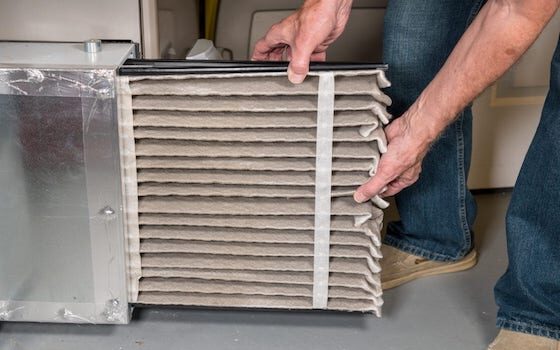
- change filters regularly, and choose the filters only recommended by the professional for your HVAC system personally;
- vacuum the entire house. At least, once a week. Use, if possible, the highest-efficiency filter bags for your vacuum cleaner;
- beware of the water and moisture around the air ducts. Do not clean them with steam, please, they will feel bad.
- if you get any water leak, fix it as soon as you can. And check your ducts after that.
Hope we covered all the questions you need to keep your and the health of your ducts in perfect state.