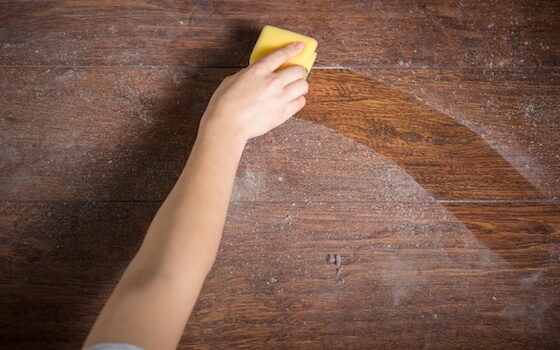
10 Golden Rules of Cleaning
Stick to these ten rules, and get your cleaning done quickly and effortlessly.
- Clean it up sooner than later
Spills and stains are generally much easier to clean up when you attack them right away. When you treat that tomato sauce splatter on your dress shirt without delay, for instance, it offers little resistance. If you wait until the next day, you’ll be sporting a permanent-looking red polka dot that you’ll expend a lot more cleaning solution and time getting out. Similarly, clothing or carpet stains are easiest to remove when they’re fresh. The longer you wait, the more chance the stain has to set.
- Clean from the top down
Don’t fight gravity when you clean. You’ll lose. Working from high to low almost always works better in cleaning situations.
- Think dry, then wet
When you’re cleaning a room, start with the cleaning jobs that require dry methods (dusting, sweeping, and vacuuming, for instance). Then move on to wet methods (using an all-purpose cleaner and glass cleaner, mopping, and the like). This way, there will be less dirt floating around in the room to cling to wet surfaces. - Start with the least harmful approach
Use your gentlest cleaning methods first and move up to more aggressive techniques only if necessary. And know your materials well enough so that you will stop your cleaning efforts before you do damage. Better to suffer along with a small spot on your stovetop, for instance, than to ruin the surface with steel wool. - Let time do the work for you
A little time management trick will make your cleaning easier and faster. When you plot out your approach to a cleaning task, remember to spray on your cleaning chemicals first and then find another little job to do while the cleaner does its dirty work. If you’re cleaning in the kitchen, for instance, spray your cleaner on the counter and appliances, then occupy yourself with removing old food from the refrigerator while the cleaner soaks in. When you come back to wipe clean, there will be little or no scrubbing to do. - Carry your supplies with you
Carry your core cleaning products with you. This will save you from making multiple trips around the house looking for the right tools and cleaners. Pick up one of these accessories at a home improvement store or hardware store:
a. A cleaning caddy — a plastic or rubber carrier with a handle and compartments for holding your gear
b. A sturdy, large plastic bucket with a good handle
c. A rolling supply cart
d. An apron with roomy pockets
Put all of your cleaning supplies into the receptacle you’ve chosen, including clean rags, paper towels, and a trash bag for emptying all of those wastebaskets, and cart it with you from room to room. If your house has more than one floor, keep a fully stocked caddy on each level.
- When in doubt, make a stealth test
Before you use a new cleaning technique or product, test the method on an inconspicuous area of the object you’re cleaning. This rule also applies when you first clean an object that is delicate and might be damaged by a cleaning compound. Testing will show you whether the object is colorfast and whether the cleaning method is likely to do damage. - Don’t deluge easily damaged items
When you clean an item that could be harmed by a liquid cleaning product (electronics, computer screens, framed artwork, or framed photographs, for example), first spray the cleaner on your cleaning cloth and then wipe. Don’t spray cleaner directly on the object you’re cleaning. Cleaner dripping into your electronics could do damage, and cleaner dripping into a frame and soaking the matting could harm your artwork. - Yes, you’ve heard this before
But the makers of all of those wonderful furnishings in your house do know best how to clean them. And the makers of your cleaning products know best how to use them. So when at all possible, follow the manufacturer’s directions when cleaning anything. This goes for everything from toasters to silk blouses and down comforters to miniblinds. File the directions and cleaning tips that come with any new appliance, rug, or other household item. Don’t remove those care labels that come on clothes, linens, and other potentially washable objects. - Protect thyself
Last but not least, take care of yourself. Many cleaning products contain acid, bleach, abrasives, and other ingredients that can damage your eyes, skin, nose, and even your lungs. So make sure your cleaning kit includes a pair of rubber gloves and protective safety glasses. If it’s not too steamy, wear old long pants or sweats and an old long-sleeved shirt to cover your arms in case of spatters from cleaning products. Cover your hair with a kerchief or baseball cap.
Why is maintaining your air ducts as important as dusting regularly?
This one may not be as obvious to most, but the dust that is floating around your home, and the particles being tracked in from outside, are going through your return vents and then back out into the home from your supply vents. It is literally being recirculated, and without proper, and regular cleaning, you may be increasing any allergy or breathing problems in the home. The Environmental Protection Agency recommends you have your air ducts cleaned by a reputable company when “ducts are clogged with excessive amounts of dust and debris and/or particles are actually released into the home from your supply registers.”
Call 800-482-8224 to schedule an appointment with an Amazon Air Duct Cleaning Professional today!