Why Air Duct Sanitizing is Essential for Indoor Air Quality
Indoor air quality is more than just a comfort issue—it directly affects your health, energy levels, and even the longevity of your HVAC system. While many homeowners are familiar with the concept of duct cleaning, fewer understand the role and importance of air duct sanitizing, especially after renovations, in mold-prone environments, or in homes with pets and allergy sufferers. Our experts break down how sanitizing differs from routine cleaning, when it’s necessary, and why it’s a smart part of any proactive home maintenance strategy.
What Is Air Duct Sanitizing?
Unlike basic cleaning, which removes visible dust and debris, air duct sanitizing involves the application of antimicrobial solutions inside your HVAC ductwork. These products are designed to neutralize microscopic contaminants like mold spores, bacteria, and viruses. The result? Fresher air, fewer irritants, and a lower risk of contaminants being recirculated throughout your home.
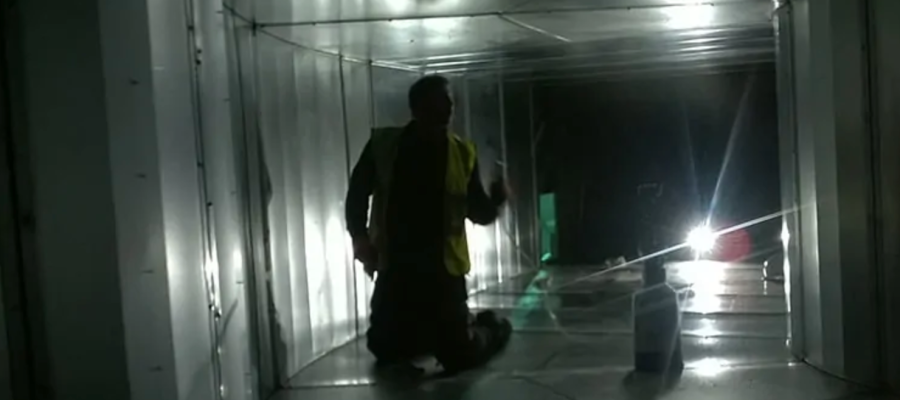
Professionals use specialized equipment such as air duct sanitizing foggers and sprays to evenly distribute disinfectants across internal duct surfaces—reaching areas that typical brushes or vacuums might miss.
Is Sanitizing Air Ducts Necessary?
While not every home needs regular sanitizing, certain situations make it a wise choice. If your home has recently undergone remodeling, experienced water damage, or developed a mold issue, sanitizing your air ducts may be more important than you realize. Similarly, homes with allergy-prone occupants or pets often benefit from the added hygiene control that disinfecting provides.
How Air Duct Sanitization Differs from Cleaning
Understanding the distinction between the two services is key. Here’s a side-by-side breakdown:
| Feature | Air Duct Cleaning | Air Duct Sanitizing |
|---|---|---|
| Focus | Dust, lint, and debris removal | Germs, mold spores, and bacteria control |
| Tools Used | Vacuums, brushes, compressed air | Foggers, sprays, antimicrobial solutions |
| Ideal Use Case | Regular HVAC maintenance | Post-renovation, mold events, or illness in the home |
| Main Benefit | Improved airflow and HVAC efficiency | Healthier indoor air and odor reduction |
| Microbial Effectiveness | Minimal | High |
Both services can complement one another. Often, cleaning air ducts for mold requires removing debris first, followed by sanitizing to disinfect air ducts and prevent regrowth.
What Are the Benefits of Air Duct Sanitizing
Sanitizing your ductwork isn’t just about what you remove—it’s about what you prevent.
- Reduced Allergens and Irritants
The process targets mold spores, bacteria, and dander particles that can linger even after dust is removed. This can be especially beneficial in homes with young children, elderly occupants, or anyone with asthma or respiratory sensitivities. - Odor Control
Musty smells can stem from microbial growth deep in your HVAC system. A targeted treatment neutralizes the root cause, not just the surface smell. - Enhanced Airflow and Efficiency
Blocked or contaminated ducts force your HVAC system to work harder. Clean, sanitized ducts help optimize airflow, potentially lowering energy usage and extending equipment lifespan. - Mold Prevention
In humid climates or homes with prior moisture issues, sanitization helps eliminate the environment that allows mold to grow. Following up with antimicrobial and deodorizing duct treatments adds an extra layer of defense.
When Should You Sanitize Your Air Ducts?
You don’t need to guess. Look for these signs:
- Visible mold inside or near ducts or on vent covers
- Lingering odors that don’t go away with regular HVAC upkeep
- Recent construction or renovations (which often release fine particles and chemical residues)
- Pest infestations, including droppings or nesting signs
- Respiratory discomfort or worsening allergies in the household
If any of these apply, it might be time to schedule HVAC service along with a full system evaluation.
Preparation Tips for Duct Sanitizing Day
To get the most from your scheduled service:
- Clear access to vents, returns, and your HVAC system
- Shut off the system to avoid circulating sanitizing agents mid-treatment
- Keep pets and children out of the area during application and initial ventilation
- Discuss product preferences with the technician if anyone in your home is chemically sensitive
Following the appointment, you’ll typically need to wait a short time before running your system again, allowing treated areas to dry and settle.
Final Thoughts: Prioritize Prevention Over Reaction
Investing in air duct sanitizing isn’t about reacting to a crisis. It’s about building long-term confidence in your home’s indoor air quality. Especially for households recovering from renovation, managing health sensitivities, or living in moisture-heavy areas, the right approach can make all the difference.
If you’re already prioritizing simple home maintenance tips to improve air quality, this fits right in. Pair it with routine filter changes, professional cleaning, and annual HVAC checkups for a healthier home.