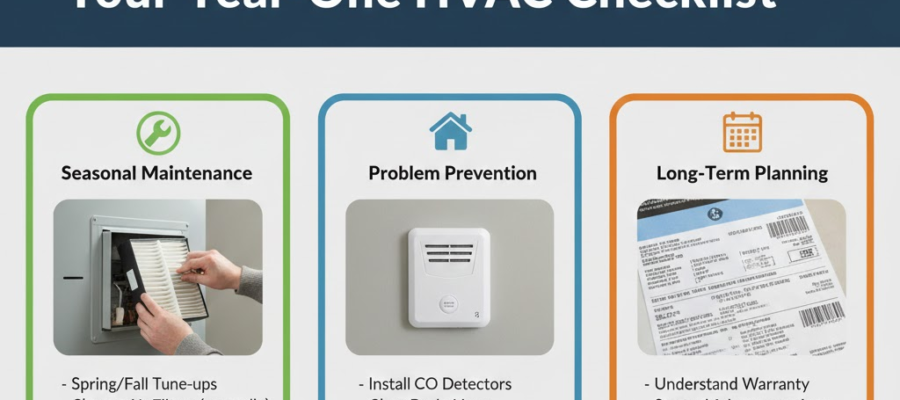
First-Time Homeowner? Here’s Your Year-One HVAC Checklist
Congratulations on your new home! Between unpacking boxes and picking paint colors, your HVAC system probably isn’t top of mind. But a little attention now can save you from surprise repair bills later. If you’re a first time home buyer figuring out what to do with hvac equipment, this guide breaks down the basics for your first 12 months.
Most of these tasks are simple. We’ll tell you what you can handle yourself and what needs a technician.
HVAC Tasks to Handle in Your First 30 Days as a Homeowner
Figure Out What You Have
Take a few minutes to locate your equipment. Look for the outdoor unit and the indoor components. Find the metal nameplate on each piece. It lists the model, serial number, and manufacture date. Snap a photo with your phone so you have this information handy.
You might have a gas furnace and AC, a heat pump, or a boiler setup. Knowing what you’re working with helps later when you need parts or service.
Change Your Air Filter
This is the most important thing you’ll do. Find your filter, usually in a slot near the furnace or air handler. Check the size written on the frame edge. Buy a few replacements to keep on hand. A dirty filter makes your system work harder and drives up energy bills.
Find the Controls
Play with your thermostat to understand how it works. Test both heat and cool modes before you need them. Find the emergency shut-off switch near your indoor unit. You’ll want to know where this is if something goes wrong.
Look for Paperwork
Check drawers and the garage for manuals, warranties, and service records from the previous owner. These tell you if there’s any warranty left and when maintenance was last done. If you can’t find anything, no problem. You’re starting fresh.
Simple HVAC Tasks to Do Every Few Months
- Check your air filter monthly. Dirty filters reduce airflow and air quality. Set a phone reminder so you don’t forget. If you have pets or someone with allergies, you might need to change it monthly. Otherwise, every two to three months works.
- Clear your outdoor unit every few months. Debris blocks airflow and can damage components. Walk outside and clear any leaves or grass from around the unit.
- Check indoor vents quarterly. Blocked vents create hot and cold spots throughout your home. Move furniture or drapes away from vents so air can flow freely.
How to Prepare Your HVAC System for Summer and Winter
Before Summer Hits
Before the heat kicks in, schedule a tune-up for your cooling system. A tech will check refrigerants, test electrical parts, and look for worn components. If your outdoor coils are caked with pollen or dirt, getting coils cleaned can improve how well your AC performs. Catching small problems now beats an AC breakdown during a heat wave.
Before Winter Arrives
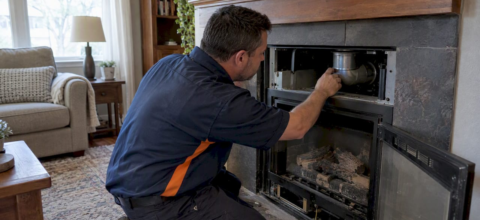
Don’t wait until the first cold night to find out your furnace doesn’t work. Get it checked in early fall. For homes with gas heating or fireplaces, having your chimney inspected isn’t just about efficiency. It’s about safety. Carbon monoxide issues are no joke.
Why Your HVAC System Needs a Professional Inspection Every Year
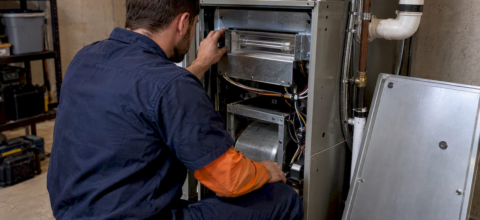
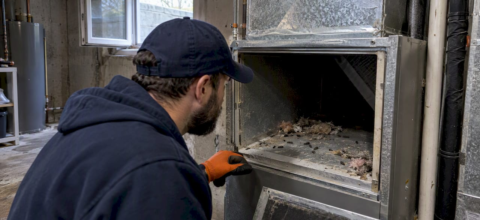
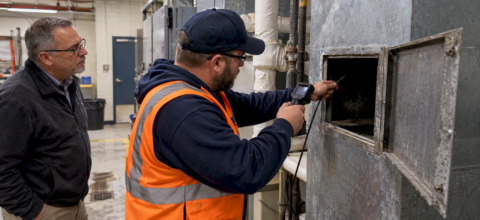
Think of this like a physical exam for your system. A technician checks things you can’t see or test yourself. Refrigerant levels, electrical connections, safety controls, and whether your ductwork is in good shape. They’ll spot small issues before they become big ones.
This yearly visit establishes a baseline for your system’s health. Many equipment warranties require regular maintenance, so keeping up with this protects your coverage if something breaks. For new homeowners, this inspection helps you understand what you’re working with.
Different Types of Home Heating and Cooling Systems
- Gas furnace + AC is the most common setup. The furnace handles heating while a separate unit cools. Furnaces typically last 15-20 years, and AC units last 12-15 years.
- Heat pumps handle both heating and cooling in one system. They usually last around 15 years.
- Boiler + AC uses a boiler to heat water for radiators while a separate AC cools the home. Boilers often last 20+ years, though the AC still averages 12-15 years.
- Electric furnace + AC works like a gas setup but uses electric heat. Expect 15-20 years from the furnace and 12-15 from the AC.
Check that nameplate photo you took. The age matters because older equipment runs less efficiently and costs more to operate. If your system is already 10+ years old, start budgeting for a replacement in the next few years.
DIY HVAC Maintenance vs When to Call a Professional
You can handle filter changes, thermostat adjustments, and keeping your equipment area clean. These tasks take minutes. Mark your calendar for the first of every month to at least look at your filter. That’s one of those hvac tips for new house owners that makes a real difference.
Leave anything involving refrigerant, electrical wiring, gas lines, or internal components to licensed technicians. DIY attempts can void your warranty or create safety hazards. Plus, techs have the diagnostic equipment to test whether your system is running correctly.
Warning Signs Your HVAC System Needs Attention
Your system will tell you if something’s off. Listen for grinding, squealing, or banging sounds. Notice if your energy bill jumps without explanation. Pay attention to uneven temperatures between rooms.
If you smell gas, burning, or anything unusual, shut the system off and call someone immediately.
Simple Habits That Keep Your HVAC Running for Years
Your first year home maintenance checklist doesn’t have to be complicated. Put filter checks on your calendar. Note down any weird noises or changes in how things run. These details help diagnose problems faster when you do need service.
Taking care of your system gets easier once you establish a routine. You’ll learn what’s normal for your home and catch issues early.