The Ultimate Guide to NJ Humidity and Your HVAC System
If you’ve ever walked outside on a New Jersey summer morning and felt like you’re breathing through a wet towel, you get it. That thick air doesn’t stay outside. It creeps into your home and makes your HVAC work way harder than it should.
This guide covers why our state gets so humid and what happens to your heating and cooling system because of it. More importantly, you’ll learn what you can do about it before things get expensive.
Why New Jersey Gets Hit So Hard with Humidity
We’re sandwiched between the Atlantic Ocean and the Delaware River. Moisture comes at us from both sides. Coastal towns in Ocean and Monmouth counties see humidity levels hit 70-80% on regular summer days.
Even Bergen County, further inland, deals with the same sticky mess. From May through September, it’s just part of living here. Spring and fall aren’t safe either. One heavy rain and the humidity spikes right back up.
When Humidity Becomes a Problem for Your HVAC?
Your Energy Bills Climb Without Warning
Air conditioners do two things in humid weather. They cool the air and pull out moisture. Doing both means longer run times and higher electric bills. That spike you see every summer isn’t random.
Split-level and ranch homes make it worse. These layouts trap humid air in lower rooms. Your system keeps running, trying to catch up, and parts wear out faster than they should.
Moisture Settles Into Your Ductwork
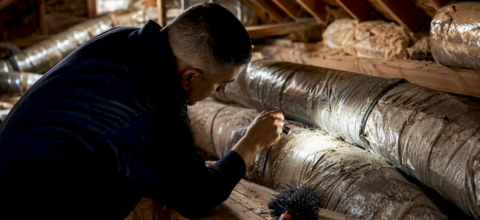
Warm, humid air hits the cool metal inside your ducts. Water condenses and pools in low spots. It doesn’t dry out on its own. Add dust and debris to that moisture, and mold starts growing.
Coastal areas see this problem constantly. If you’re near the shore, getting ducts cleaned stops small problems from turning into major ones.
How Duct Mold Affects Your Health and Home?
Mold in your ventilation system spreads spores every time the fan runs. Kids, older relatives, and anyone with asthma or allergies notice it first. Respiratory issues get worse. Allergies flare up indoors more than outside.
| Warning Sign | What It Means |
| Musty smell when AC runs | Active mold growth in ductwork |
| Allergies worse indoors | Spores circulating through vents |
| Visible stains around vents | Moisture leaking from ducts |
| Increased respiratory issues | Poor indoor air quality |
That musty smell means mold is already growing somewhere in your system. Antimicrobial treatments can help eliminate odors and prevent mold from coming back after cleaning.
How to Control High Humidity in Your Home
Whole-Home Dehumidifiers vs Portable Units
A whole-home dehumidifier pulls moisture from your air without overcooling your house. It keeps humidity between 30-50%, which stops mold before it starts. Portable units help in basements, but they can’t handle an entire house as well as integrated systems.
How Often to Clean Your Ducts
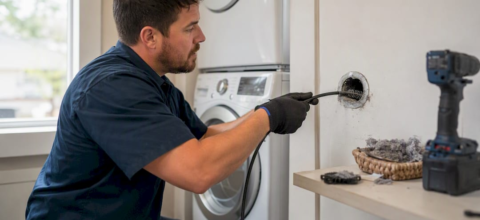
In humid areas, cleaning ducts every two to three years makes sense. Near the coast or in damp spots, annual cleaning works better. You get rid of buildup, remove any mold, and catch other issues before they cost real money.
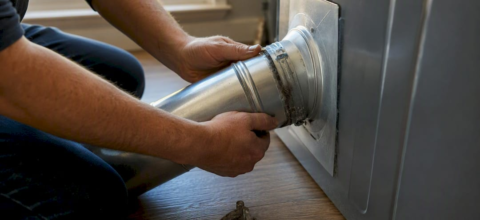
Up north, having ducts inspected before summer starts helps you skip problems during the worst humidity months. Technicians spot condensation, check insulation, and look at drain lines while they’re still accessible.
Don’t Skip the Blower
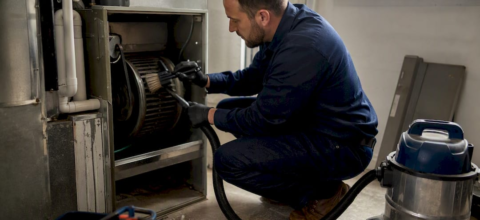
Your blower motor runs constantly during humid months. Dust and moisture cake onto the blower wheel. Airflow drops. The motor strains. Cleaning the blower brings airflow back and extends how long your system lasts. It also keeps air moving so moisture doesn’t settle in your ducts.
Check Ventilation in Older Homes
Colonial homes and older builds sometimes lack proper attic and crawl space ventilation. Moisture builds up instead of escaping. Also, bathroom and kitchen fans should vent outside, not into your attic where humidity damages insulation and wood.
Simple Year-Round Maintenance Schedule
- Spring: Check drain lines, swap filters, get ready for summer humidity.
- Summer: Change filters monthly, watch for smells or weak airflow.
- Fall: Switch to heat mode, look for moisture damage from summer.
- Winter: Keep an eye on humidity levels since heat dries out air.
Handling Humidity Before It Becomes a Problem
Living in New Jersey means humidity is just part of the deal. But you don’t have to let it trash your HVAC or make your indoor air unhealthy. Regular upkeep, a decent dehumidifier, and clean ducts handle most of it.
The trick is catching problems early instead of waiting until something breaks. Start with the basics like checking filters and booking a duct inspection. Then adjust based on what you find. Your system runs smoother, bills stay lower, and everyone breathes easier.