Why the 3 to 5 Year Air Duct Cleaning Rule Doesn’t Apply to Every Home
You vacuum regularly and keep your counters clean. But what about the air moving through your walls? Most people forget about their ductwork until dust piles up or someone starts sneezing nonstop.
There’s no simple answer to how often you need professional air duct cleaning services. Some sources say every year, others say five. The truth depends on your household, your home’s age, and where you live.
What the NADCA Air Duct Cleaning Schedule Means
The National Air Duct Cleaners Association recommends cleaning your ducts every 3 to 5 years. This works for most homes with average dust levels and no major issues.
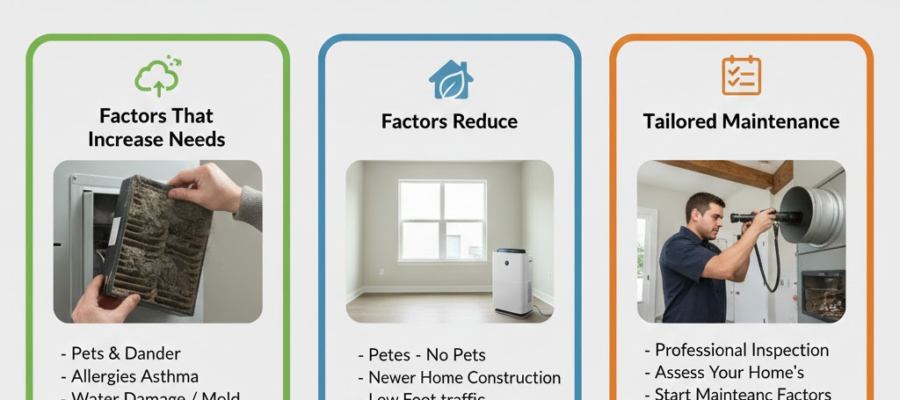
But your home probably isn’t average. A quiet house without pets can wait longer. A busy household with dogs and kids needs it sooner. Think of it like car maintenance. You wouldn’t follow the same schedule driving 50,000 miles versus 5,000.
Signs You Need to Clean Air Ducts Before the 3 to 5 Year Mark
You Have Pets
Dogs and cats shed. All that fur and dander gets sucked into your return vents and builds up inside your ducts. Over time, this blocks airflow and spreads allergens every time your heat or AC runs.
With one or two pets, plan on cleaning every 2 to 3 years. Multiple pets or heavy shedders might push that timeline up. Birds and rabbits add their own mess to the mix.
Someone Has Allergies or Asthma
Dust mites, pollen, and mold spores collect in ductwork. Every time your system runs, these irritants circulate through your home. People with asthma or allergies face constant exposure even when outdoor air quality is great.
For homes with allergy concerns, cleaning every 2 to 3 years makes sense. If symptoms spike during heating and cooling seasons, consider yearly service.
You’ve Had a Renovation
Construction creates a ton of dust. Drywall particles, sawdust, and paint debris get everywhere, including your HVAC system. Even with plastic sheeting and closed vents, fine particles work their way into ductwork.
Schedule cleaning right after construction wraps up. Construction dust irritates lungs and wears down your HVAC equipment. Getting it cleaned removes contamination before it settles in.
You Live in an Older Home
Older homes have charm. They also have ductwork that might be decades old with layers of dust buildup.
Plan on cleaning every 2 to 3 years for older properties. Aged materials, settled foundations that create gaps, and less efficient filters mean contamination builds faster.
You See Dust or Smell Mold
Some signs are hard to miss. Pull off a floor register and look inside with a flashlight. Thick dust coating the surfaces means your ducts need attention.
A musty smell during startup signals mold growth somewhere in your vents. Dark streaks around supply vents show dust being pushed into rooms.
After a Pest Problem
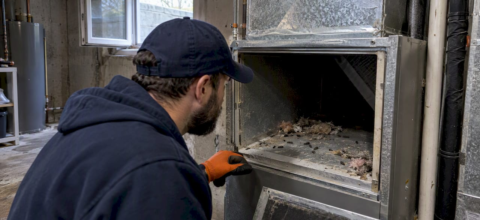
Rodents and insects sometimes get into duct systems and leave nesting materials, droppings, and worse behind. This creates health risks and odors that linger.
Clean your ducts right after dealing with pests. The service removes contamination and sanitizes affected areas. Technicians can also spot entry points and suggest sealing methods.
Why Your Location Matters for Air Duct Maintenance
Where you live affects how fast ducts get dirty. Areas with heavy pollen seasons see more buildup in spring and fall. Tree pollen, ragweed, and grass allergens blow into homes and settle in ductwork, making allergy symptoms worse indoors.
Coastal areas deal with higher humidity year-round. Moisture creates perfect conditions for mold growth inside vents. More frequent inspections help catch moisture problems early before they spread.
Older homes face different challenges. Properties built 50+ years ago often have original ductwork that’s accumulated decades of dust and debris. Combined with local climate factors like humidity or seasonal allergens, these older systems may need attention more often than newer construction.
What to Expect During a Professional Air Duct Cleaning Service
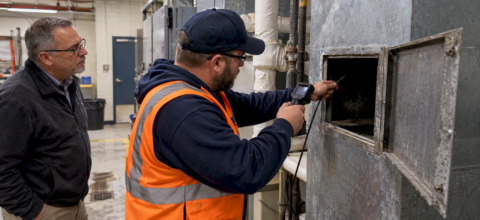
Technicians start with a camera inspection to see inside your ducts. They check for buildup, identify problem spots, and explain what they find.
The cleaning uses vacuum machines to create negative pressure in your duct system. As air flows toward the collection unit, rotating brushes and compressed air knock loose stuck debris. This breaks up buildup so the vacuum can pull everything out. The service covers supply ducts, return ducts, registers, grilles, and the air handler.
Finding the Right Duct Cleaning Schedule for Your Home
- Homes with pets should clean every 2-3 years. Pet dander and fur build up in ductwork faster than you’d expect.
- Family members with allergies or asthma means cleaning every 2-3 years, or yearly if symptoms are severe.
- After renovation or construction, schedule cleaning immediately. Drywall dust and debris settle throughout your duct system during any project.
- Older homes (20+ years) benefit from cleaning every 2-3 years since decades of buildup adds up.
- Visible mold or pest infestation needs immediate attention. Don’t wait on either of these.
- High humidity areas like coastal regions should clean every 2-3 years with regular inspections in between.
Track your last cleaning date and note any changes. A new dog, finished basement, or family member with breathing problems all signal it might be time for earlier service.
Not Sure Whether Your Ducts Need Cleaning?
There’s no universal timeline for duct cleaning. The 3 to 5 year guideline is a starting point, but your real schedule depends on lifestyle, home age, climate, and health needs. Watch for warning signs like dust around vents, strange smells, or persistent allergy symptoms.
If you’re unsure about your duct condition, an inspection shows exactly what’s going on inside and helps you decide if cleaning makes sense right now.