Energy Savings 101: How a Clean HVAC System Lowers Your Bills
Opening your utility bill shouldn’t feel like getting punched in the gut. But if you live in New York, New Jersey, or Connecticut, you already know heating and cooling costs here are brutal. What most people miss is that a dirty HVAC system can tack on an extra 20-30% to those already high bills.
There’s a direct link between how clean your system is and what you pay each month. Once you understand it, you can start bringing those numbers down.
Why Dirty Ducts Hit Your Wallet?
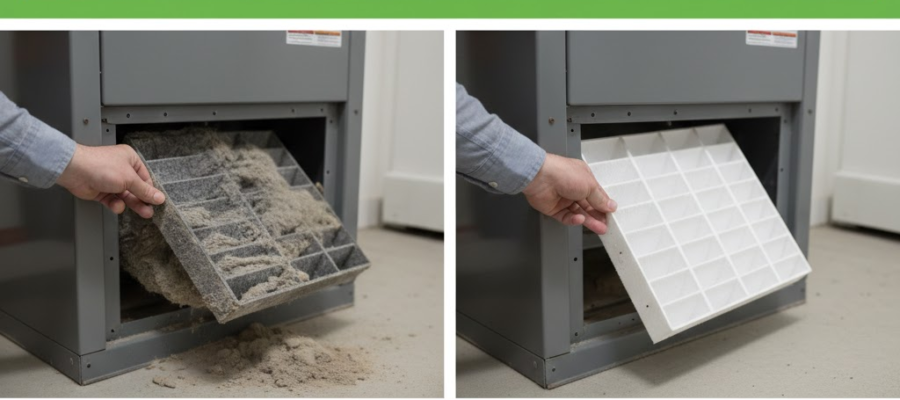
Dust and debris clog up your ductwork. Your system has to run longer just to push air through, burning extra electricity or gas to reach the temperature you set. It’s like trying to breathe through a straw instead of taking a normal breath.
Here’s what that looks like in dollars. Restricted airflow drops efficiency by 15-25%. If you’re spending $200 a month, that’s $30-$50 wasted. Over a year, you’re down $360-$600 for nothing. Clearing out your ductwork removes the blockage so your system works the way it should.
What Changes After a Deep Clean?
Less Runtime, Lower Bills
Clean ducts let air move freely. Your blower doesn’t fight buildup, so it hits your target temperature faster and shuts off. Less runtime means you use less energy.
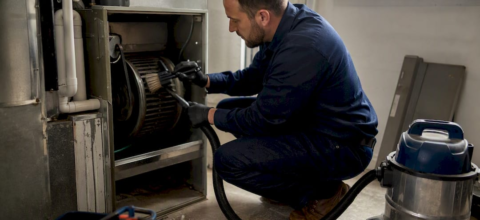
Blower motors eat up a lot of power. A dirty motor works twice as hard just to spin. Getting buildup off your blower cuts that wasted effort. People typically see their bills drop 10-15% after addressing this.
Heat Moves Like It Should
Your AC uses coils to transfer heat. One dumps heat outside in summer. The other pulls heat from inside. Dirt blocks that transfer, so your system runs longer for the same cooling.
Once you clean the outdoor coil and handle the indoor coils, efficiency jumps 10-20%. Same comfort, less energy. That matters during sticky Northeast summers.
Your Equipment Lives Longer
Systems that don’t strain last longer. A furnace or AC running nonstop to compensate for dirt wears out fast. Maintained equipment gives you 15-20 years. Neglected systems quit after 10-12. Replacing everything costs $5,000-$10,000 or more.
Simple Changes That Save Energy
| What to Do | How Often | Impact |
| Swap your air filter | Every 1-3 months | 5-15% less energy |
| Set your thermostat | Once, tweak seasonally | 10-20% cut |
| Seal duct leaks | Once, check yearly | Varies by home |
Swapping your filter takes five minutes. A clogged one makes your system work harder, which bumps energy use 5-15%. This is the easiest move for energy efficient heating and cooling.
Programming your thermostat helps too. Drop it a few degrees while you’re asleep or out. In the Northeast, where we swing from freezing to humid, this cuts 10-20% off your usage without sacrificing comfort when you’re home.
Is Maintenance Worth It for You?
Look at what you spend during peak months. Say you’re paying $250 to cool your New Jersey home each summer month. If your system runs inefficiently, you could be overpaying $50-$75. From May through September, that’s $250-$375 thrown away.
Maintenance typically runs $300-$600 depending on what needs work. You break even within a year. After that, you keep the savings. Toss in fewer repairs and longer equipment life, and it starts looking like money well spent.
Taking Control of Your Bills
Rates keep climbing in the tri-state area. You can’t control that. But you can control how much energy your system wastes. Homeowners who stay on top of maintenance see lower bills, fewer breakdowns, and better comfort.
Your HVAC system costs serious money. Regular cleaning isn’t an expense. It’s how you reduce utility bills month after month. The savings show up fast, and the benefits last years.