DIY vs. Professional Dryer Vent Cleaning: What You Need to Know
Around 2,900 home fires happen each year because of clogged dryer vents. The U.S. Fire Administration estimates these fires cause about $35 million in property damage. If you’ve been wondering whether to clean your dryer vent yourself or call someone in, this guide will help you decide.
What Happens When You Don’t Clean Your Dryer Vent?
Lint builds up inside your ductwork with every load you dry. This buildup blocks airflow and forces your dryer to work harder. You’ll see higher energy bills and longer drying times. The bigger concern is dryer fire prevention, since lint is extremely flammable.
A clogged vent also shortens your dryer’s life. When components constantly overheat, they break down faster. Regular cleaning can add years to your machine.
What’s Inside Your Vent System
The Basic Setup
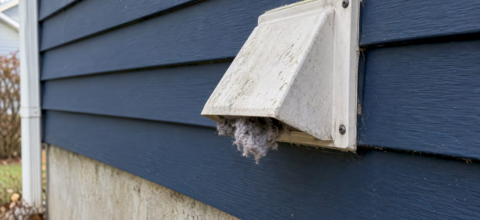
Most homes have three parts to their dryer vent. There’s a flexible hose behind the machine, ductwork running through walls or floors, and an exterior hood where air exits. Lint collects everywhere, but especially at bends and turns. You’ll also find pet hair, dust, and sometimes even bird nests in the outside vent.
Length and Layout Matter
Short vents that run a few feet to an outside wall are simple. Long vents that stretch 25 feet through multiple rooms or up to second floors are trickier. More bends mean more places for lint to get stuck. Most homes have at least one thing that makes the job harder than it looks.
Cleaning Your Dryer Vent Yourself
Is Your Vent Easy Enough to Clean?
DIY dryer vent cleaning works well if your vent is short, under 10 feet, has few bends, and ends at ground level. You’ll save money since a cleaning kit costs $20 to $40. You just need to be comfortable moving your dryer and working in tight spaces.
The Tools You’ll Need
| Tool | What It Does | Cost |
| Flexible brush kit | Reaches into ductwork to loosen lint | $20-$40 |
| Shop vacuum | Pulls out loosened debris | $50-$150 |
| Screwdrivers | Disconnects hoses | Usually owned |
| Safety gear | Gloves, dust mask | $10-$20 |
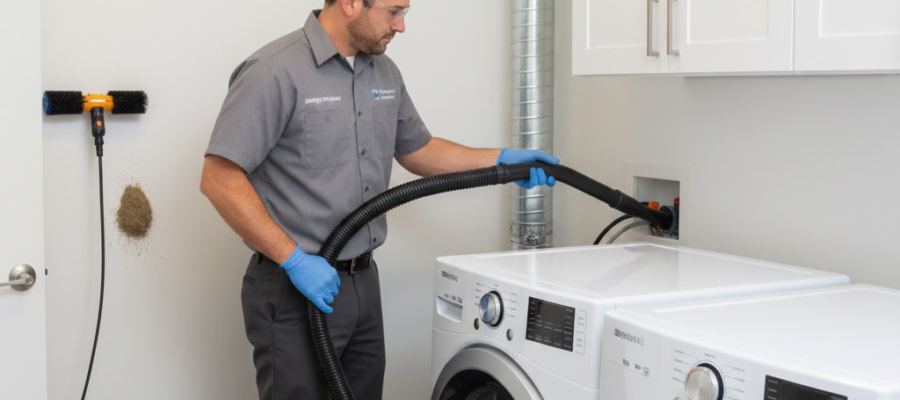
The process is straightforward. Unplug your dryer, disconnect the hose, insert the brush while rotating it, vacuum everything out, and clean the exterior vent. This takes one to three hours depending on your setup.
The Limits of DIY Cleaning
Consumer tools can’t always reach the full duct length. You’re working blind inside walls, so you can’t see what you’re missing. Gas dryers need extra care during disconnection. If your vent runs through hard-to-reach areas or has multiple turns, you might get some lint but miss deeper buildup.
When to Hire a Pro Instead?
Red Flags to Watch For
Get help if your vent runs more than 15 feet, has several 90-degree turns, or exits on your roof. Long drying times, a hot laundry room, burning smells, or damp clothes after normal cycles mean you need more than basic cleaning.
Homes with complex layouts or older construction often have tricky ductwork. If it’s been several years since your last cleaning, starting with a pro gives you a clean baseline.
What You Get with Expert Service
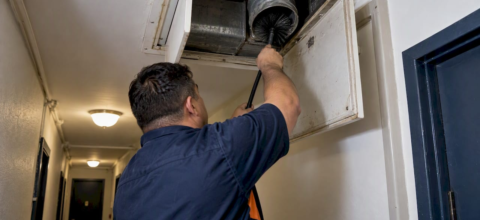
Pros use rotary brush systems, industrial vacuums, and compressed air tools. Many use cameras to inspect inside the duct. They measure airflow before and after to show improvement. The job covers interior and exterior access points, handling the entire duct length no matter how complicated.
They also spot damage, poor installations, or code issues. Professional dryer vent cleaning for ongoing problems or tough setups is ideal.
Deciding Between DIY and Hiring a Pro
| Factor | DIY | Professional |
| Cost | $20-$40 for tools | $100-$300 |
| Time | 1-3 hours your time | 1-2 hours their time |
| Best for | Short, simple vents | Long runs, multiple bends |
| Thoroughness | Good for easy sections | Complete system |
| Can inspect | Limited | Camera available |
A clean vent cuts drying time by 20% to 40%, saving roughly $18 to $24 yearly on energy. You’ll also dodge repair costs and extend your dryer’s life.
Combining DIY and Professional Service
Many people start with a thorough professional cleaning to get everything clear. Then they handle basic upkeep between visits by cleaning the transition hose and exterior vent. Another deep cleaning every one to three years, depending on use, keeps everything running smoothly.
Deciding What Makes Sense for Your Home
Things to Consider Before Deciding
How long is your vent? How many bends does it have? Where does it exit? When was it last cleaned? If you have a short, simple system with easy access, doing it yourself can work. If things get complicated, bringing someone in makes sense.
Don’t Ignore These Red Flags
Some problems need immediate attention. If your dryer or laundry room gets extremely hot, you smell burning, clothes take twice as long to dry, or the dryer shuts off early, don’t wait. These mean serious clogs and fire risk.
Visible lint around the hose, a vent flap that stays closed during use, or more than a year since the last cleaning also mean it’s time.
The Most Important Thing to Remember
Getting this done matters more than how you do it. For simple systems, handling it yourself with occasional deep cleaning works fine. For complex vents or if you’re not comfortable with the work, yearly professional service is worth it.
Set a schedule based on your dryer use and vent layout. Regular cleaning protects your home and keeps your dryer running well. The time or money you spend is small compared to repair costs or fire damage.