Vent cleaning for businesses: essential guide for NY, NJ, CT
Many business owners believe all vent cleaning is the same, a misconception that can lead to regulatory violations, higher energy bills, and serious safety hazards. Different commercial vents require distinct cleaning methods, frequencies, and compliance standards. HVAC ducts in offices need periodic dust removal, while restaurant grease ducts demand rigorous degreasing to prevent fires. This guide clarifies the types of commercial vent cleaning, applicable standards from EPA and NFPA, recommended maintenance schedules, and how professional services protect your facility’s air quality, efficiency, and safety.
Table of Contents
- Key takeaways
- Understanding commercial vent types and cleaning standards
- Professional vent cleaning methods for HVAC and grease ducts
- Recommended vent cleaning frequency for commercial businesses
- Benefits of professional vent cleaning for safety and efficiency
- Professional vent cleaning services in New York, New Jersey, and Connecticut
- Frequently asked questions
Key Takeaways
| Point | Details |
|---|---|
| Distinct vent types | HVAC ducts follow NADCA guidance while grease ducts follow NFPA 96 standards. |
| Inspection before cleaning | Inspection is essential before cleaning to ensure regulatory compliance and optimal maintenance. |
| Source removal benefits | EPA and NADCA guidance favors source removal for health and energy savings. |
| Professional cleaners equipment | Professional cleaners use specialized equipment and proven methods tailored to each vent type. |
Understanding commercial vent types and cleaning standards
Commercial facilities operate two fundamentally different vent systems, each with unique cleaning requirements and regulatory frameworks. Recognizing these distinctions prevents costly mistakes and ensures your maintenance program addresses actual risks.
Commercial vent cleaning for businesses distinguishes between HVAC/air duct cleaning for offices/hotels and grease duct cleaning for kitchens/restaurants, governed by different standards. HVAC systems in office buildings, hotels, and retail spaces circulate conditioned air through supply and return ducts. These systems accumulate dust, pollen, paper fibers, and biological contaminants over time. The National Air Duct Cleaners Association (NADCA) provides voluntary guidance emphasizing source removal, the physical extraction of contaminants rather than surface wiping. While EPA initially questioned routine duct cleaning, their updated position acknowledges source removal benefits for energy savings and indoor air quality when systems show visible contamination.
Grease duct cleaning serves an entirely different purpose. Restaurant kitchens, cafeterias, and food service operations produce grease-laden vapor that condenses inside exhaust hoods, ducts, fans, and plenums. This buildup creates extreme fire hazards. NFPA 96 grease duct cleaning standards mandate cleaning to bare metal using mechanical and chemical methods, not simple wiping. Fire marshals enforce these standards through regular inspections, and violations can shut down operations.
Key differences between these vent types include:
- HVAC ducts handle general building air with particulate contamination; grease ducts manage combustible deposits from cooking
- HVAC cleaning focuses on indoor air quality and energy efficiency; grease cleaning prioritizes fire prevention
- NADCA provides voluntary HVAC guidance; NFPA 96 sets mandatory grease duct requirements
- HVAC systems typically run 10-12 hours daily; kitchen exhaust operates during all cooking hours with higher contamination rates
- Commercial air duct cleaning in NY and NJ requires understanding both systems for comprehensive facility maintenance
Facility managers overseeing mixed-use buildings must track separate maintenance schedules and hire contractors qualified for each system type. A company certified for HVAC work may lack the equipment and training for safe grease duct cleaning. Verify credentials match your specific needs before signing contracts.
Professional vent cleaning methods for HVAC and grease ducts
Effective commercial vent cleaning demands specialized equipment, trained technicians, and methodical processes that go far beyond consumer-grade tools or surface cleaning.
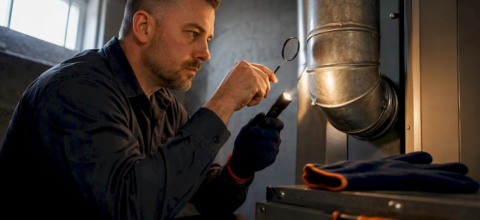
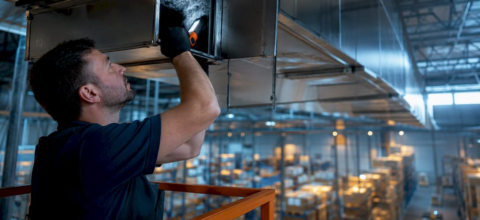
HVAC duct cleaning methodology includes inspection, negative pressure with HEPA vacuums, rotating brushes, section-by-section sealing to avoid re-contamination, taking 4-6 hours for office buildings. Professional technicians begin with camera inspection to document contamination levels and identify problem areas like microbial growth or excessive debris. They then create negative pressure using truck-mounted or portable HEPA-filtered collection systems, preventing dislodged particles from entering occupied spaces. Rotating brushes and compressed air tools agitate contaminants from duct surfaces while the vacuum extracts them.
The systematic approach follows these steps:
- Seal supply and return registers with temporary covers to contain the cleaning zone
- Cut access ports in main trunk lines for equipment insertion
- Attach negative pressure collection device to create airflow toward the vacuum
- Insert rotating brushes and air whips through access ports, working section by section
- Clean supply ducts, return ducts, main trunk lines, and branch runs separately
- Service air handling units including coils, blower compartments, and drain pans
- Replace filters, seal access ports, and verify system operation
- Provide before/after documentation with photos and inspection reports
This thorough air duct cleaning process using proper equipment for air duct cleaning ensures complete contaminant removal rather than redistribution.
Pro Tip: Proper sealing during HVAC cleaning prevents dust re-contamination, critical for indoor air quality. Insist contractors seal each section before moving to the next to avoid spreading debris into cleaned areas.
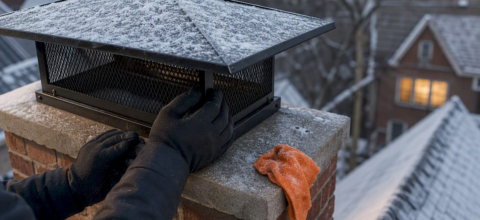
Grease duct cleaning per NFPA 96 requires cleaning to bare metal using rotary brushes, high-pressure air whips, chemical degreasers, and vacuums, covering hoods, ducts, fans, and plenums. Unlike HVAC work, grease removal demands aggressive mechanical action combined with chemical dissolution. Technicians disassemble hood filters and access panels, then use scrapers and power tools to remove hardened grease layers. Hot water pressure washing and alkaline degreasers break down remaining residue. Every surface from the cooking line to the roof exhaust fan must show bare metal when complete.

Commercial kitchen exhaust cleaning guidelines specify that cleaners must access the entire system, sometimes requiring roof work or scaffolding for vertical ducts. Contractors provide certification tags showing cleaning date and technician name, which fire inspectors verify during facility audits. Missing or expired tags trigger violations and potential fines. Schedule grease duct cleaning during closed hours to avoid disrupting food service operations.
Recommended vent cleaning frequency for commercial businesses
Cleaning schedules vary dramatically based on system type, usage intensity, and local environmental factors. Following evidence-based frequency guidelines prevents both under-maintenance and wasteful over-servicing.
Frequency benchmarks show HVAC ducts every 3-5 years per NADCA and grease ducts quarterly to monthly based on cooking type and volume per NFPA 96, with solid fuel cooking monthly and moderate use semiannually. General office HVAC systems with standard occupancy and good filtration typically need cleaning every 3-5 years. Buildings with poor outdoor air quality, ongoing construction, or high occupant density may require more frequent service. Hotels and healthcare facilities often clean every 2-3 years due to continuous operation and vulnerable populations.

Commercial systems accumulate contamination faster with 10-12 hour daily use versus residential systems; restaurants get grease in HVAC; dryer vents in laundromats and hotels need cleaning every 3-4 months; surface-only cleaning proves insufficient. Extended operating hours mean commercial HVAC moves far more air than residential systems, accelerating particle buildup. Restaurants face a unique challenge because grease vapor infiltrates general ventilation systems, not just kitchen exhaust. This creates fire risks in unexpected locations and requires specialized cleaning beyond standard HVAC maintenance.
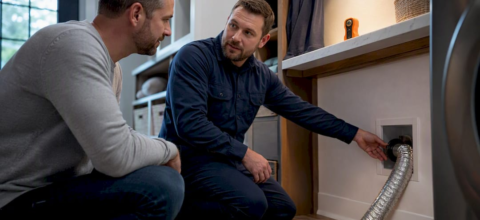
Commercial laundries, hotels with guest laundry facilities, and apartment buildings with shared dryer rooms face another critical maintenance requirement. High-volume dryer vent cleaning frequency must increase to every 3-4 months compared to annual residential service. Lint accumulation in commercial dryer vents causes equipment failures, dramatically extends drying times, and creates serious fire hazards. Facilities running dryers 8-12 hours daily should inspect vents monthly and clean at first signs of reduced airflow or longer drying cycles.
| Business type | Vent system | Recommended frequency | Primary concern |
|---|---|---|---|
| Office building | HVAC ducts | Every 3-5 years | Indoor air quality, energy efficiency |
| Restaurant (high volume) | Grease exhaust | Monthly | Fire prevention, code compliance |
| Restaurant (moderate) | Grease exhaust | Quarterly to semiannually | Fire prevention, code compliance |
| Hotel | HVAC ducts | Every 2-3 years | Guest comfort, air quality |
| Hotel/laundromat | Dryer vents | Every 3-4 months | Fire risk, equipment efficiency |
| Healthcare facility | HVAC ducts | Every 2-3 years | Infection control, vulnerable populations |
Regulatory inspections and insurance requirements may mandate more aggressive schedules than these baselines. Review your local fire codes and insurance policy terms to ensure compliance. Many insurers offer premium discounts for documented preventive maintenance programs.
Benefits of professional vent cleaning for safety and efficiency
Investing in proper vent maintenance delivers measurable returns through lower operating costs, reduced liability exposure, and improved occupant health and comfort.
HVAC cleaning improves airflow by 10-46%, reduces energy use 20-30% per DOE data, delivers up to 41-60% blower energy savings, and dryer vent cleaning cuts drying time from 90 minutes to 35 minutes while saving 20% on HVAC energy. These improvements translate directly to your utility bills. A 20% reduction in HVAC energy consumption for a 50,000 square foot office building can save $15,000-25,000 annually depending on local electricity rates. Improved airflow also extends equipment lifespan by reducing strain on blowers, compressors, and heat exchangers.
Dryer vent cleaning in commercial laundries produces even more dramatic results. Reducing drying time from 90 minutes to 35 minutes means processing three times more loads per day with the same equipment. This operational efficiency improves customer satisfaction and revenue potential while cutting energy costs substantially.
Key benefits of professional vent cleaning include:
- Removal of allergens, mold spores, and bacteria that trigger respiratory issues and sick building syndrome
- Elimination of musty odors from microbial growth in ductwork and drain pans
- Reduced dust circulation that settles on furniture, equipment, and merchandise
- Lower fire risk from grease and lint accumulation in exhaust systems
- Compliance with NFPA, OSHA, and local fire codes avoiding fines and operational shutdowns
- Documentation for insurance claims and liability protection if incidents occur
The importance of duct cleaning for businesses extends beyond immediate cost savings to long-term risk management. Facilities with documented maintenance programs face lower insurance premiums and stronger legal positions if air quality complaints or fire incidents occur. Regular professional service creates an audit trail proving due diligence.
Pro Tip: Use professional inspections combined with filter replacements for optimal indoor air quality. Schedule duct inspections between regular filter changes. If cameras reveal minimal contamination, you can delay full cleaning and save money. If they show significant buildup, immediate service prevents larger problems.
Airflow improvement from professional duct cleaning ranges from 10% to 46%, with most commercial systems gaining 20-30% better circulation and corresponding energy savings.
Professional vent cleaning services in New York, New Jersey, and Connecticut
Amazon Air Pro delivers expert commercial vent cleaning customized for facilities across the tri-state area. Our EPA and NFPA-compliant methods address both HVAC air duct systems and restaurant grease exhaust with the specialized equipment and training each requires.
We start every project with thorough inspection to document current conditions and identify priority areas. This prevents unnecessary work while ensuring critical contamination gets addressed. Our technicians explain findings in plain language and provide clear recommendations for immediate service and future maintenance schedules.

Whether you need to address signs you need air duct cleaning or want to establish a proactive maintenance program, our team guides you through the process. We help you understand how to prepare for air duct cleaning to minimize disruption to your operations. Our flexible scheduling accommodates your business hours, and we provide detailed documentation for your compliance records.
Ready to improve your facility’s air quality, energy efficiency, and safety? Book commercial air duct cleaning service today and experience the difference professional expertise makes for your business.
Frequently asked questions
What is the difference between HVAC duct cleaning and grease duct cleaning?
HVAC duct cleaning removes dust, pollen, and debris from general building air systems serving offices, hotels, and retail spaces. Grease duct cleaning eliminates combustible grease deposits from restaurant kitchen exhaust systems. HVAC work focuses on indoor air quality and energy efficiency using HEPA vacuums and brushes, while grease cleaning prioritizes fire prevention using scrapers, degreasers, and high-pressure washing to achieve bare metal surfaces. Different standards govern each: NADCA provides voluntary HVAC guidance, while NFPA 96 mandates grease duct requirements with enforcement by fire marshals.
How often should I schedule vent cleaning for my business?
HVAC air ducts typically need cleaning every 3-5 years for standard office buildings, though high-occupancy or healthcare facilities may require service every 2-3 years. Restaurant grease ducts must be cleaned monthly for high-volume solid fuel cooking, quarterly for moderate use, and at least semiannually for lighter operations per NFPA 96 standards. Commercial dryer vents in laundromats and hotels require cleaning every 3-4 months due to heavy lint accumulation. Your specific schedule depends on usage intensity, local regulations, and inspection findings.
What are the main benefits of professional vent cleaning?
Professional vent cleaning improves indoor air quality by removing allergens, mold, and bacteria that cause respiratory problems. It increases energy efficiency by 20-30% through better airflow, reducing utility costs substantially. Fire risk drops dramatically when grease and lint deposits are eliminated from exhaust systems. You maintain compliance with NFPA, OSHA, and local fire codes, avoiding violations and shutdowns. Equipment lasts longer with reduced strain on blowers and compressors. Documentation from professional service protects against liability claims and may lower insurance premiums.
What should I expect during a professional vent cleaning service?
Professional service begins with camera inspection to assess contamination levels and identify problem areas. Technicians seal work areas and create negative pressure using HEPA-filtered vacuums to contain dust. They use rotating brushes, air whips, and specialized tools to dislodge debris while extracting it continuously. For HVAC systems, they clean supply ducts, return ducts, air handlers, coils, and blower compartments. Grease duct cleaning includes mechanical scraping, chemical degreasing, and pressure washing to bare metal. You receive before and after documentation, certification tags for fire inspections, and maintenance recommendations for future scheduling.
Recommended
- How to prepare for duct cleaning in NY, NJ & CT – Amazon Air Duct Cleaning
- Commercial Air Duct Cleaning in NY & NJ | Book Now
- The Benefits of Air Duct Cleaning for Businesses in Trenton, NJ
- How Duct Cleaning Needs Vary Across Fairfield County Businesses