Airborne Contaminants in Buildings: What You Need to Know
TL;DR:
- Indoor air can be two to five times more polluted than outdoor air, posing significant health risks. Contaminants originate mainly within homes from sources like furniture, cleaning products, and HVAC systems, making source control, ventilation, and filtration essential. Regular maintenance, proper filtering, and reducing indoor pollutant sources effectively improve indoor air quality and protect vulnerable populations.
Most people assume the air inside their home is cleaner than what’s outside. The reality is often the opposite. Indoor air can be 2 to 5 times more polluted than outdoor air, and Americans spend roughly 90% of their time indoors. That means the air in your living room, bedroom, or office is likely the air doing the most long-term work on your lungs. Airborne contaminants in buildings come from dozens of sources you probably interact with every day. Understanding what they are, where they come from, and how to reduce them is the first step toward actually protecting your health.
Table of Contents
- Key takeaways
- Airborne contaminants in buildings: types and sources
- Health effects of contaminated indoor air
- How to reduce airborne contaminants indoors
- Comparing filter types and ventilation options
- Monitoring and maintenance for lasting air quality
- My take on what actually works
- Keep your air clean with professional support from Amazonairpro
- FAQ
Key takeaways
| Point | Details |
|---|---|
| Indoor air is often more polluted | Indoor air can be 2 to 5 times worse than outdoor air, making in-home exposure a serious health concern. |
| Contaminants come from inside, not just outside | Most sources of indoor air pollution originate within the building itself, including furniture, cleaning products, and HVAC systems. |
| Layered defense works best | Combining source control, proper ventilation, and quality filtration is more effective than relying on any single method. |
| MERV 13 is the right HVAC filter choice | True HEPA filters can damage residential HVAC systems; MERV 13 is the recommended standard for most homes. |
| Professional maintenance matters | Regular air duct cleaning and HVAC maintenance reduce contaminant reservoirs and support long-term air quality. |
Airborne contaminants in buildings: types and sources
Airborne contaminants fall into three broad categories: particulate matter, biological agents, and chemical pollutants. Each one enters your air through different pathways and poses different risks.
Particulate matter includes dust, pollen, pet dander, and fine particles known as PM2.5, which are small enough to travel deep into lung tissue. Microplastics are a newer concern. Near landfills and urban areas, microplastics can reach 2.8 particles per cubic meter, and indoor concentrations in homes with synthetic textiles and plastic furnishings can be similarly elevated.
Biological contaminants are living or once-living organisms that become airborne. This category covers:
- Mold spores released when moisture accumulates on walls, ceilings, or inside HVAC ductwork
- Bacteria and viruses that travel on respiratory droplets and aerosols
- Dust mite debris, a common but underappreciated trigger for allergy and asthma symptoms
- Pet dander, which stays suspended in air for hours after a pet leaves the room
Chemical contaminants are often invisible and odorless, making them especially easy to ignore. Volatile organic compounds (VOCs) off-gas from paints, adhesives, carpets, upholstered furniture, and many standard cleaning products. Formaldehyde, benzene, and toluene are common examples found in newly built or renovated homes. Combustion byproducts add another layer of concern. Gas stoves, fireplaces, and attached garages can introduce carbon monoxide, nitrogen oxides, and fine soot particles directly into your living space.
Many of these pollutants do not require a major event to enter your air. They build up gradually from everyday activities: cooking, cleaning, painting, or simply running your HVAC system through ductwork that has never been cleaned.
Health effects of contaminated indoor air
The health risks tied to poor building air quality range from mildly annoying to genuinely serious, depending on the contaminant and the length of exposure.

Short-term symptoms are often the first signal that something is wrong. Headaches, fatigue, eye and throat irritation, and unexplained allergy flare-ups are all common responses to elevated levels of airborne toxins in homes. These symptoms frequently get attributed to stress, seasonal allergies, or illness, when the actual source is the air being recirculated through the building.
Longer-term exposure carries greater risk. Microbial agents like bacteria, fungi, and viruses trigger inflammatory respiratory responses in nearly 20% of cases studied. Chronic exposure to VOCs has been linked to liver and kidney damage, as well as increased cancer risk. Carbon monoxide, even at sub-lethal concentrations over time, contributes to cardiovascular stress.
Children, the elderly, and people with existing respiratory or immune conditions are disproportionately affected by contaminated indoor air. Their systems are either still developing or already compromised, so the same concentration of airborne particles that barely affects a healthy adult can trigger a serious response in a vulnerable household member.
One point that often gets overlooked: airflow within a building is uneven, and ventilation systems do not distribute clean air uniformly. A child sleeping in a room with poor air circulation may be exposed to significantly higher contaminant levels than someone in a well-ventilated part of the same home. Single-point air quality readings rarely capture this variability.
How to reduce airborne contaminants indoors
The most effective approach combines three strategies working together. No single fix is enough on its own. Here is how to build that layered defense:
-
Start with source control. Source control is the most cost-efficient IAQ improvement strategy because it stops pollutants before they enter the air. Switch to low-VOC paints and low-VOC cleaning products. Store chemicals in sealed containers outside the living space. Never smoke indoors. Control moisture levels to prevent mold growth, aiming for indoor humidity between 30% and 50%.
-
Improve ventilation. Fresh air exchange dilutes indoor pollutants. Open windows when outdoor conditions allow. Use exhaust fans in bathrooms and kitchens every time you cook or shower. For tighter homes, consider mechanical ventilation options like heat recovery ventilators (HRVs) or energy recovery ventilators (ERVs), which bring in fresh air without dramatically affecting heating or cooling efficiency. ASHRAE Standard 241-2023 now frames the goal as equivalent clean airflow, meaning a combination of outdoor air intake and filtration counts together toward safe air targets.
-
Filter what you cannot eliminate. Upgrade your HVAC filter to MERV 13 if your system supports it. For rooms that need extra help, a portable HEPA air purifier is a practical addition. Add a dedicated HEPA purifier in bedrooms or rooms where vulnerable household members spend significant time.
-
Manage humidity actively. Dust mites thrive above 50% relative humidity. Mold begins growing at 60% and above. A basic hygrometer costs under $20 and gives you real-time data to act on.
-
Clean smarter, not just more often. Using HEPA-filtered vacuums, wet dusting, and venting cooking emissions properly all reduce contaminant levels in ways that standard cleaning does not. Dry dusting and standard vacuums redistribute particles back into the air rather than removing them.
Pro Tip: When cooking on a gas range, always run the range hood exhaust fan on high for at least five minutes after you finish. Gas burners produce nitrogen dioxide and carbon monoxide even during normal operation, and those gases linger well after the flame goes out.
Comparing filter types and ventilation options
Choosing the right combination of filtration and ventilation is where a lot of homeowners get confused. The options below clarify what each technology actually does and when to use it.

| Filter/System Type | Efficiency | Best Application | Key Limitation |
|---|---|---|---|
| MERV 8 to 12 | Captures large particles | Standard residential HVAC | Misses fine PM2.5 and biological particles |
| MERV 13 | 75 to 85% efficiency for 0.3 to 1 micron particles | HVAC systems with health-sensitive occupants | Requires compatible HVAC system |
| True HEPA (portable) | 99.97% for 0.3 micron particles | Standalone room purifiers | Not suitable for HVAC duct installation |
| HRV / ERV systems | N/A (ventilation, not filtration) | Whole-home fresh air exchange | Higher upfront installation cost |
| Exhaust fans | N/A | Kitchens, bathrooms | Localized only, not whole-home |
The critical point about HEPA filters deserves its own attention. Installing true HEPA filters in residential HVAC ducts creates high static pressure that strains your blower motor and can damage the system. MERV 13 is the recommended standard for in-duct filtration. A separate portable HEPA purifier handles room-level fine particle removal without putting your HVAC at risk.
For a more detailed breakdown of what MERV ratings mean in practice, MERV filter ratings explained walks you through the numbers and how they apply to your system.
Pro Tip: Replacing your HVAC filter on a set schedule matters less than checking it monthly. Homes with pets, recent renovations, or high occupancy can clog a MERV 13 filter in half the rated time. A gray, compressed filter does more harm than good because it restricts airflow significantly.
Monitoring and maintenance for lasting air quality
Good air quality is not a one-time fix. It requires ongoing attention, and a few straightforward habits make a significant difference.
Here is what to keep on your regular maintenance list:
- Replace HVAC filters monthly or every three months, depending on occupancy and whether you have pets or allergy sufferers in the household. Check filters visually every four weeks.
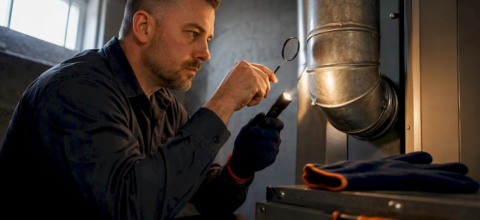
- Schedule air duct cleaning every three to five years, or sooner if you notice visible debris at vent covers, a musty smell from supply vents, or unexplained increases in dust on surfaces. Ductwork accumulates dust, mold spores, and debris over time, and your HVAC fan distributes all of it whenever the system runs.
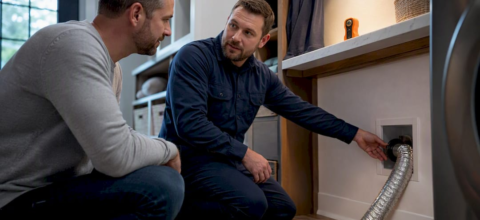
- Clean dryer vents annually. Lint buildup in dryer vents is a fire hazard, but it also contributes airborne particles to your laundry area and adjacent spaces.
- Use a CO2 monitor or air quality sensor in living spaces and bedrooms. CO2 levels above 1,000 ppm indicate inadequate fresh air exchange, which means other contaminants are likely building up too. Many affordable sensors now display particulate matter (PM2.5), humidity, and VOC levels alongside CO2.
- Place entry mats at all exterior doors and establish a no-shoes policy indoors. Outdoor contaminants including pesticides, pollen, and particulates travel in on shoe soles and contribute meaningfully to indoor loads.
- Check for signs of moisture in basements, crawl spaces, and around windows. Condensation, water stains, or a persistent musty odor are signs that mold growth may be occurring inside walls or ductwork.
For a broader look at how ventilation affects indoor health, Amazonairpro has a dedicated property owner’s guide that covers mechanical options and their trade-offs in practical terms.
My take on what actually works
When I look at how most people approach indoor air quality, the pattern is almost always the same. They reach for the air purifier first, spend a fair amount of money on it, and then wonder why nothing seems to change. The purifier is real and useful, but it is downstream of the actual problem.
Source control is consistently the most effective and cost-efficient strategy, and it is the one people skip most often. Swapping one cleaning product for a lower-VOC alternative costs nothing extra and removes a pollutant entirely, as opposed to filtering it after it has already entered the air. That distinction matters more than most people realize.
I’ve also seen genuine confusion about the HEPA and MERV filter question in homes with HVAC systems. People read that HEPA captures 99.97% of particles and assume bigger is better. But putting a true HEPA filter in a residential duct is the equivalent of breathing through a surgical mask while trying to sprint. The system strains, efficiency drops, and you pay for repairs that never needed to happen.
What I’ve found actually works is a genuine integration of three things: reducing sources, bringing in controlled fresh air, and filtering what remains. No single product or service replaces that combination. Airflow variability inside buildings also means that even a well-maintained system may not reach every corner of every room. That is worth sitting with for a moment, because it means your habits and cleaning routines fill gaps that technology alone cannot.
— Victor
Keep your air clean with professional support from Amazonairpro
If you have tightened up your cleaning habits and upgraded your filters but still notice persistent dust, stale air, or unexplained allergy symptoms, your ductwork may be the missing piece.

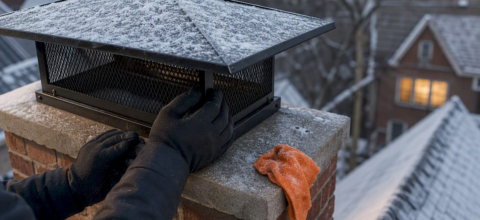
Dirty ducts act as a reservoir for everything your HVAC system has been pulling out of the air for years: dust, mold spores, pet dander, and debris. Every time your system runs, those particles get redistributed throughout your home. Amazonairpro provides professional air duct and HVAC cleaning services for residential and commercial clients across New York, New Jersey, and Connecticut. The team also handles dryer vent and chimney cleaning, covering the most common overlooked sources of indoor contaminants. If you are not sure whether your ducts need attention, signs your ducts need cleaning outlines exactly what to look for before scheduling a service call.
FAQ
What are the most common airborne contaminants in buildings?
The most common include dust and PM2.5 particles, mold spores, pet dander, VOCs from cleaning products and furnishings, and combustion gases from cooking appliances and fireplaces. Most originate from sources inside the building itself.
How do I know if my indoor air quality is poor?
Common signs include frequent headaches, persistent fatigue, allergy-like symptoms without a seasonal pattern, visible dust buildup near vents, and musty odors. A CO2 monitor or multi-sensor air quality device can confirm elevated contaminant levels.
Can an air purifier eliminate airborne toxins in my home?
A portable HEPA air purifier significantly reduces fine particles and some biological contaminants in a single room, but it does not address VOCs comprehensively or substitute for adequate ventilation and source control.
How often should air ducts be cleaned to improve building air quality?
Most homes benefit from professional duct cleaning every three to five years. Homes with pets, recent construction, visible mold near vents, or occupants with respiratory conditions may need more frequent attention.
Is MERV 13 safe for all residential HVAC systems?
Most modern HVAC systems handle MERV 13 without issue, but older or smaller systems may experience airflow restriction. Check your system’s specifications or consult an HVAC technician before upgrading from a lower-rated filter.
Recommended
- HVAC Contaminants: Protect Your Indoor Air Quality – Amazon Air Duct Cleaning
- Improve indoor air quality: steps for healthier spaces – Amazon Air Duct Cleaning
- Understand Duct Contamination: What It Means and Why It Matters – Amazon Air Duct Cleaning
- Role of airflow in homes: A guide for healthier air – Amazon Air Duct Cleaning