A Facility Manager’s Guide to HVAC Maintenance & IAQ Compliance in White Plains
White Plains sits at the center of Westchester County’s commercial landscape. The building stock ranges from modern glass office towers and pre-war structures to sprawling retail centers like The Westchester, and each type brings different HVAC challenges. Add thousands of daily commuters cycling through lobbies, elevators, and office floors, and indoor environments need constant attention to stay comfortable, healthy, and compliant with local codes.
Facility managers here are already familiar with the pressure. Tenants expect reliable climate control, ownership expects controlled costs, and inspectors expect documentation. This guide covers the key areas you need to stay on top of, with a focus on commercial HVAC maintenance and indoor air quality compliance for White Plains properties.
How Poor Indoor Air Quality Impacts Office Buildings in NY
Indoor air quality, or IAQ, describes the condition of the air inside your building. That includes pollutant concentrations, humidity levels, ventilation rates, and the amount of airborne particulates reaching occupied spaces. In a commercial setting, poor IAQ doesn’t stay invisible for long.
The Connection Between IAQ, Tenant Retention, and Energy Costs
Research consistently ties poor indoor air quality to higher rates of sick days and lower cognitive performance among office workers. In White Plains, where many tenants are law firms, financial services companies, and healthcare providers, the tolerance for stuffy or stale air is extremely low. One formal complaint from a key tenant can shift a lease renewal conversation. And on the mechanical side, restricted airflow forces your system to cycle longer and harder, which drives up utility bills month after month.
ASHRAE 62.1 Requirements Facility Managers Should Understand
ASHRAE Standard 62.1 sets the minimum ventilation rates needed to maintain acceptable indoor air quality in commercial buildings. In simple terms, it tells you how much outside air your system needs to bring in based on occupancy and square footage. Most office buildings and commercial spaces in Westchester County follow the ventilation rate method outlined in this standard.
How ASHRAE 62.1 Affects IAQ Compliance and Building Inspections
Local code enforcement in New York often references ASHRAE 62.1 as the baseline for IAQ compliance in office buildings. Falling short can lead to violations, fines, or forced remediation. Facility managers who understand these requirements are better positioned to pass inspections, respond to tenant concerns, and avoid the kind of costly surprises that blow a quarterly budget.
Seasonal Commercial HVAC Maintenance Checklist for White Plains Properties
Staying ahead of system failures starts with a structured checklist. The table below breaks down the key tasks by season, tailored for the climate and building demands common in White Plains.
| Season | Key Task | Why It Matters | DIY or Pro? |
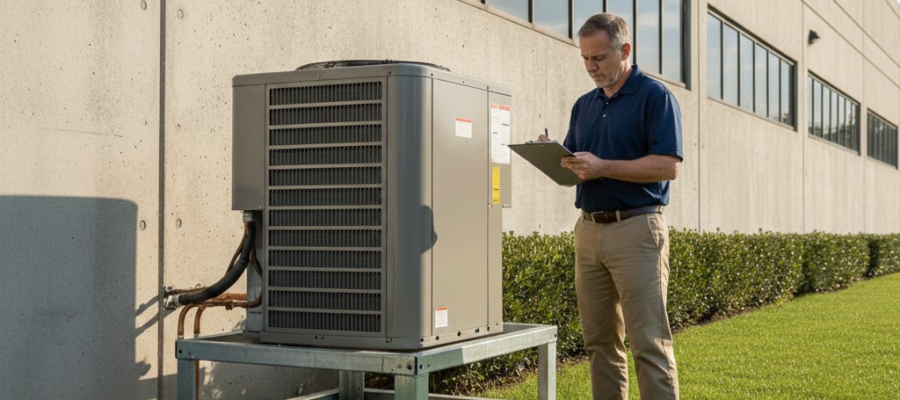
| Spring | Clean condenser coils and check refrigerant levels | Gets cooling systems ready before humid Westchester summers hit | Pro |
| Summer | Monitor and clean condensate drains | Reduces the risk of water damage and mold during peak humidity | DIY/Pro |
| Fall | Inspect heating elements and test safety controls | Catches problems before the first cold snap creates a no-heat emergency | Pro |
| Winter | Check for drafts and verify airflow across zones | Keeps tenants comfortable and prevents the system from overworking | DIY |
| Ongoing | Replace air filters on a set schedule | The single most effective way to protect both IAQ and system efficiency | DIY |
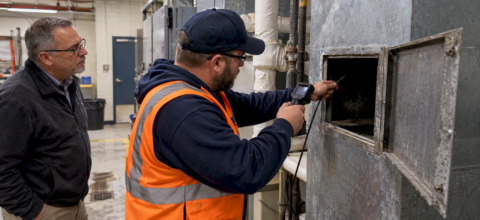
| Every 2-3 Years | Commercial duct cleaning | Clears out years of built-up dust, allergens, and debris that filters miss | Pro |
Rooftop Units, VAV Systems, and Chillers in Commercial Buildings
Commercial HVAC equipment operates on a completely different scale than residential systems. Rooftop units, variable air volume systems, and chillers all have separate maintenance needs and failure patterns. A single office building in White Plains might run dozens of individually zoned areas, each with its own damper controls and thermostat settings.
That complexity is exactly why a preventative HVAC maintenance plan matters so much at the commercial level. Skipping scheduled service on any one of those components accelerates wear across the entire system, and commercial replacement parts are not cheap.
Why a Preventative HVAC Maintenance Plan Saves Money Long Term
Emergency commercial HVAC repairs regularly cost three to five times more than the same work performed during a planned visit. Factor in tenant disruption, productivity loss, and potential liability from an IAQ-related health complaint, and the numbers add up fast.
What a Strong Commercial Maintenance Schedule Includes
Most preventative HVAC maintenance plans for commercial properties include quarterly system inspections, monthly filter replacements, annual coil cleanings, and periodic duct cleaning. Facility managers who commit to this kind of schedule tend to report lower total annual HVAC spending and significantly fewer emergency service calls. That kind of data makes it much easier to justify the investment to building ownership or investors.
What to Look for in a Commercial HVAC Maintenance Partner
A checklist is a good starting point, but managing IAQ compliance and HVAC performance across a commercial property also requires a team that knows the local building environment. The right partner should have experience with commercial duct cleaning at scale, familiarity with Westchester County building codes, and a track record of working with facility managers on ongoing maintenance schedules rather than one-off service calls.