Air Duct Cleaning After Renovation And Why It’s the Step You Can’t Skip
Congratulations on completing your home renovation project! After months of planning, construction noise, and living with temporary inconveniences, you can finally enjoy your transformed space. Your kitchen remodel showcases new cabinets and countertops, or perhaps your finished basement now provides the family entertainment area that homeowners love.
However, before you fully settle into your newly renovated home, there’s one step that many homeowners overlook in their post-construction cleanup checklist: air duct cleaning.
Where All That Construction Dust Really Goes
Every renovation project creates tons of fine dust that gets everywhere in your home. Drywall dust from wall installations, sawdust from lumber cutting, and debris from tile work don’t just disappear when contractors finish. This construction dust becomes airborne during renovation and gets pulled into your HVAC system through return air vents.
Once inside your ductwork, these particles settle along the walls of your air ducts. Drywall dust is especially problematic because it travels deep into your ventilation system and sticks to everything.
What Happens When You Fire Up Your HVAC
Here’s what most homeowners experience: you spend weeks cleaning your newly renovated space until everything looks perfect. Then you turn on your heating or cooling system, and white, chalky dust starts coming out of your air vents. All that construction dust gets blown back into your clean home.
This keeps happening each time your HVAC system runs. The blower fan pushes air through dirty ducts, picks up those particles, and spreads them throughout your house.
Why This Dust Is More Than Just Annoying
Construction dust isn’t just messy – it can affect your family’s health. Drywall dust contains gypsum and other compounds that irritate your respiratory system. This is especially problematic for family members with asthma or allergies. Sawdust and wood particles can cause similar reactions.
When these particles circulate through your home’s air supply, everyone breathing that air is affected. Kids and elderly family members are often more sensitive to airborne particles. The question “how to get rid of dust in the air” becomes about health, not just cleanliness.
How Professional Duct Cleaning Fixes This Problem
The best way to handle this is with post-renovation air duct cleaning. Unlike regular household cleaning, professional service removes debris directly from your ventilation system.
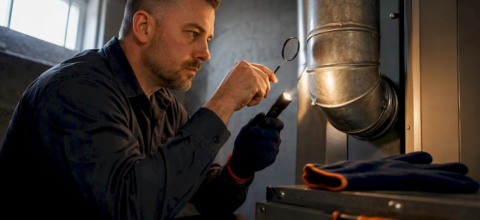
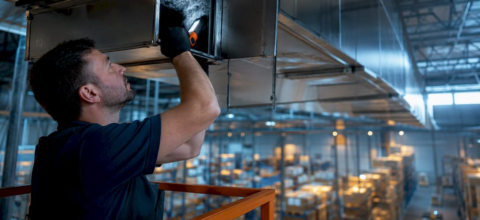
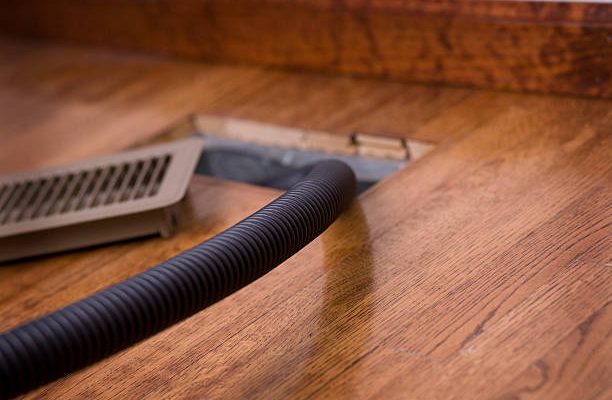
Technicians use high-powered vacuums and tools for ductworks. This removes not just surface dust but also particles that have settled deep in your duct system – areas you can’t reach with regular cleaning methods.
Why Home Cleaning Methods Don’t Work
Many homeowners try fixing post-construction dust by changing air filters more often or using household vacuums at vent openings. These steps help temporarily, but they don’t fix the real problem. Regular air filters only catch some of the fine particles in your system, and household vacuums don’t have the power needed for thorough duct cleaning.
If you are trying to understand how to get construction dust out of a house, you should know it requires equipment made for the job. Cleaning ductwork without the right tools often pushes debris deeper into the system instead of removing it.
Don’t Forget Your Dryer Vents
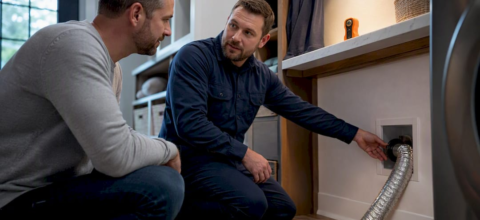
Your post construction cleaning checklist should include more than just what you can see. Dryer vents also collect construction dust during renovation projects. If you’re wondering who cleans dryer vents near me, the same professionals who handle air duct cleaning usually provide these services too.
Dryer vent cleaning becomes really important after renovations involving laundry room changes or basement finishing projects. Lint mixed with construction dust creates problems that can reduce dryer efficiency and create fire hazards.
Think of It as Finishing Your Project Right
Consider duct cleaning the final step of your renovation project. After investing thousands of dollars in home improvements, protecting that investment with clean air ducts makes sense. Clean ductwork helps your HVAC system run better and can extend equipment life while reducing energy costs.
Your newly renovated space needs clean air circulation. Cleaning removes the construction debris that could keep circulating for months or years after your project is done.
When to Schedule Your Cleaning
Schedule your duct cleaning after all construction work is complete but before you fully move back into renovated spaces. This timing lets you address any remaining dust without having to deal with recontamination from ongoing work.
Don’t let construction dust take away from enjoying your renovation. Air duct cleaning gives your newly improved home the clean start it needs, protecting both your investment and your family’s health.
Protect Your Renovation Investment With Clean Indoor Air
Renovations transform your living space, but construction dust lingers long after the last contractor leaves. Cleaning your ducts professionally ensures that your HVAC system circulates fresh, clean air instead of leftover debris. By treating duct cleaning as part of your post-renovation plan, you safeguard your family’s health, protect your investment, and make sure your new space feels as good as it looks.