Bird in Vent… Now What? Steps for Removing Bird’s Nests from Vents
If you have a bird’s nest right in your vents, the first step is not to touch it with bare hands or try to just remove it without knowing how to do it right. Why? First, you will have to look into the bird’s nest (figuratively speaking).
Removing bird nest: why is it dangerous
Birds don’t have bathrooms and don’t take antiparasitic pills, as far as we know. By disturbing a bird’s nest, you will likely shed some of the mites, other parasites, dirt, and maybe fungus into your ventilation. Mites from birds feel more than ok to suck human blood too. So, before considering the removal of the bird’s nest from the vent, you will definitely have to buy some protective clothes, tools, and disinfectant.
Why did birds choose your house?
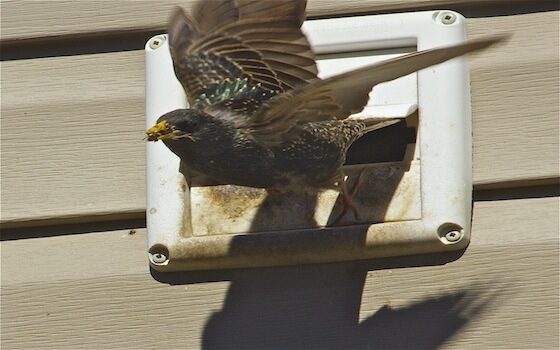
Birds like to nest anywhere, especially if the area is warm, and has water and food nearby. They usually choose such places as attics, dryers and bathroom vents. If vents don’t have good covers (or never had any at all), then you basically send an invite to whatever animal is walking or flying nearby. The solution to prevent birds from getting into dryer or bathroom vents? You should better close your vents. But if you already got some guests, and they made a house out of your vents, then you should probably act quickly.
How to get rid of a bird’s nest in the vent
No, you can’t smoke them out or poison them. Whether you remove the bird’s nest from the bathroom or a dryer vent. Not only because it’s kind of an inhumane thing to do, but because there are vents that lead directly to your house. What can you do then?
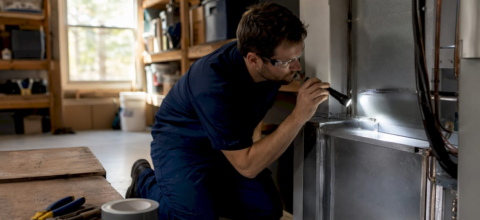
- Get a fiber optic scope and a “fish” (looks like a long stick with a hook at the end). This will cost you approximately $300 and is probably expensive for the tools used for a single occasion. Using a hand and a camera, or, even worse, your head and eyes to check on the nest is a dangerous idea. You don’t really know what is going on over there and probably will catch some parasites or will get hurt by a bird. Safety always comes first.
- Birds in the vent can get aggressive, especially if they have eggs or kids. Most of the birds become parents in the late spring, so acting before that season is the best time. You can also follow the bird’s schedule and wait until it leaves the nest to avoid this unpleasant meeting. Birds also tend to leave second watchers during nesting seasons. If you don’t really know whether this particular bird has any partners watching over babies yet, then you might get into trouble.
- If you found the bird’s nest already with the babies, then you should know that by disturbing the nest you will make them die from starvation. The birds won’t feed their kids if they feel threatened. So, you should probably call wildlife experts before doing anything. If you’re not concerned about baby birds, then you should probably think that you may miss one chick, it will fall further into the vent, die, and will rot, causing terrible odor across the house.
- Protect your hands by wearing gloves and using clothes that you will throw out after the use. Wear something to protect your head too if you will have to fight a bird.
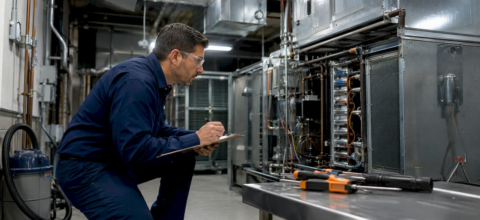
- Explore how much nesting and debris you will have to remove by using an optic scope.
- Use a “fish” to run in and out into the vent, until no debris or nesting is left in the vent.
- Remove the nest from the ground, and throw it out in the trashcan. Remove all the fallen parts, and use a scope again to make sure you cleaned everything.
- Disinfect the area and vent. It’s actually the hardest part because if you miss something, then you may get parasites in your house. So, we highly recommend calling the professionals, and don’t even start to do it on your own.
- Close the vents with a sheet or wire mesh, and make sure that they are not broken and don’t have any holes.
- Good luck. And be safe.
The experts in nest removal can do this job much quicker, safer, and cheaper. If you’re worried about the bird’s babies, they will take care of them too by luring their parents into the same box as kids and making them raise baby birds until they can take care of their own. So, why should you risk your health and buy expensive equipment if there are people who can do it for you? The answer is up to you, of course.