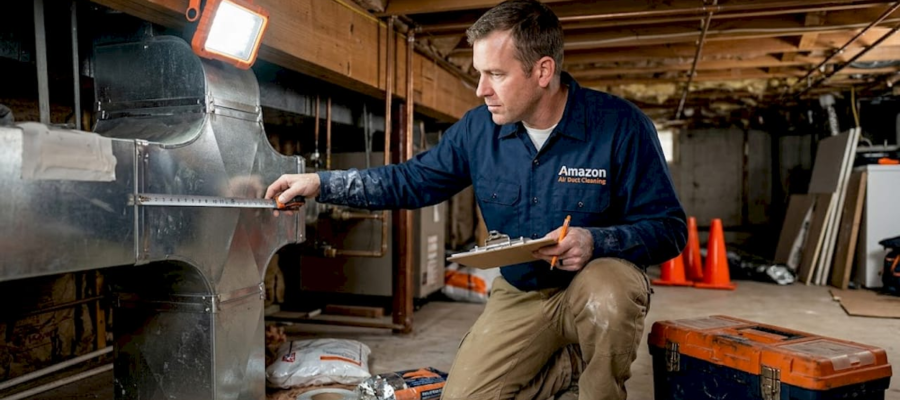
Frequent Air Duct Mistakes That Cost You Comfort
TL;DR:
- Incorrect duct sizing, leaks, poor layout, damaged insulation, and improper cleaning are common mistakes that reduce HVAC efficiency and air quality. Addressing these issues with professional inspection, sealing, proper design, and maintenance can significantly improve comfort and reduce energy costs. Regular assessments and avoiding DIY repairs help preserve your duct system’s performance and longevity.
Most homeowners in New York, New Jersey, and Connecticut think about their HVAC system only when something goes wrong. That’s exactly how frequent air duct mistakes stay hidden for years. Your ducts quietly move conditioned air through every room in your home, and when they’re incorrectly sized, sealed, routed, or maintained, the whole system suffers. You pay more on energy bills, breathe lower-quality air, and deal with rooms that never reach the right temperature. This article breaks down the most common air duct errors so you know what to watch for before the damage compounds.
Table of Contents
- Key takeaways
- 1. The most frequent air duct mistakes start with wrong sizing
- 2. Leaky ducts: the most expensive common air duct error
- 3. Poor duct layout creates airflow problems you can’t fix with a thermostat
- 4. Missing or damaged insulation on ducts
- 5. DIY duct cleaning mistakes that create new problems
- 6. Quick comparison of the most common HVAC duct issues
- What I’ve learned after years of watching homeowners overlook their ducts
- How Amazonairpro can help you avoid these mistakes
- FAQ
Key takeaways
| Point | Details |
|---|---|
| Sizing errors hurt efficiency | Undersized and oversized ducts both create comfort and performance problems that equipment upgrades won’t fix. |
| Leaky ducts waste money fast | Up to 30% of conditioned air can escape through unsealed seams before reaching your living spaces. |
| Layout choices determine airflow | Sharp bends, long runs, and too few return vents create pressure imbalances that no thermostat adjustment can resolve. |
| Insulation protects air quality | Damaged or missing duct insulation lets contaminants enter the system and drives up heating and cooling costs. |
| DIY cleaning carries real risks | Improper cleaning, especially on flexible ducts, can puncture liners, break seals, and spread debris through the system. |
1. The most frequent air duct mistakes start with wrong sizing
Duct sizing is one of the first decisions made during an HVAC installation, and it’s also one of the most frequently miscalculated. The consequences follow homeowners for the life of the system.
Undersized ducts create high static pressure inside the system, which forces the blower motor to work harder than it was designed to. You’ll hear it. The airflow sounds strained, almost like a rush of wind through a narrow gap. Over time, that mechanical stress shortens the motor’s lifespan. Oversized ducts have the opposite problem. Air moves too slowly, loses velocity before reaching distant rooms, and fails to mix properly. The result is stagnant air in some areas and temperature imbalances throughout the home.
Signs your ducts may be incorrectly sized include:
- Noisy operation, especially near vents or the air handler
- Rooms that never reach the set temperature regardless of run time
- Unusually high energy bills with no obvious cause
- Blower motor failures earlier than expected
Pro Tip: Ask your HVAC contractor whether a Manual D calculation was performed before installation. This industry-standard method determines the correct duct size for your specific home layout, ceiling height, and heat load. If they can’t provide documentation, that’s a red flag worth following up on.
2. Leaky ducts: the most expensive common air duct error
Duct leaks are the top HVAC installation defect affecting energy use across residential homes. Most homeowners don’t realize that leaky ducts waste between 20% and 30% of conditioned air before it even reaches your living spaces. In a New Jersey winter, that means you’re heating your attic or crawl space instead of your bedroom.

The tricky part is that leaks are usually invisible. They develop at joints, seams, and connection points over years of expansion and contraction from temperature cycling. By the time you notice symptoms, the waste has already been building for a while.
Watch for these signs of duct leaks in your home:
- Unexplained spikes in your monthly utility bills
- Visible dust accumulation near vent registers
- Rooms that feel noticeably warmer or cooler than the rest of the house
- Musty or stale odors coming from supply vents
One of the most important distinctions in this area involves sealant choice. Mastic sealant is the industry standard for sealing duct seams because it stays flexible and durable over time. General-purpose duct tape, despite its name, dries out and fails within a few years, creating hidden leaks that are difficult to locate without professional tools. Repairing duct leaks properly can lower utility bills by up to 20%, which more than covers the cost of a professional inspection in most cases.
Pro Tip: If you suspect leaks but can’t confirm them visually, a professional duct pressure test can pinpoint exactly where air is escaping. This is far more reliable than guessing based on symptoms alone.
3. Poor duct layout creates airflow problems you can’t fix with a thermostat
Even when ducts are correctly sized and well-sealed, a poorly planned layout can still cripple your system’s performance. This is one of the more underappreciated air duct installation mistakes because the damage isn’t obvious until you’re living with the consequences.
Sharp 90-degree bends without turning vanes generate significant turbulence inside the duct. That turbulence translates directly into pressure loss, which means less air reaches the rooms at the end of the run. Long duct runs compound this problem. The further air has to travel, the more pressure it loses along the way.
Return vent placement is equally overlooked. Without enough return vents, negative pressure builds in rooms with closed doors. That pressure differential is why you may hear doors slamming on their own or feel a draft under a door. It’s also why some rooms always feel stuffy no matter how long the system runs.
| Layout Problem | Symptom You’ll Notice | Impact on the System |
|---|---|---|
| Sharp bends without turning vanes | Noise, reduced airflow at far vents | Pressure loss, turbulence |
| Excessively long duct runs | Distant rooms stay cold or hot | Velocity loss, comfort issues |
| Too few return vents | Doors slam, rooms feel pressurized | Pressure imbalance, strain on blower |
| Unbalanced supply vs. return | Hot and cold spots throughout home | Poor air mixing, energy waste |
Good duct layout follows the home’s floor plan, uses gradual transitions instead of sharp bends, and places return vents strategically to maintain balanced pressure across every room.
4. Missing or damaged insulation on ducts
Ducts that run through unconditioned spaces, like attics, basements, and crawl spaces, need proper insulation. Without it, heat or cold bleeds into the duct before the air reaches its destination. In a hot Connecticut summer, your cooled air can gain several degrees just passing through an uninsulated attic duct.
Damaged insulation creates an additional problem beyond temperature loss. Tears or gaps in duct liner allow dust, fiberglass particles, and other contaminants to enter the air stream. Those particles then circulate through your home with every cycle of the system.
Signs your duct insulation may be failing:
- Visible tears, compression, or gaps in the insulation wrap
- Rooms far from the air handler are harder to condition than closer ones
- Allergy symptoms that seem worse when the HVAC system is running
- Moisture or condensation on the outside of ducts in humid weather
Insulation on ducts should meet the R-value requirements for your climate zone. In New York and New Jersey, attic ducts typically need R-8 or higher. If you’re not sure what your ducts currently have, a technician can assess this during a routine inspection. Understanding why clean, well-maintained ducts matter goes beyond cleaning alone. Insulation condition is part of the overall picture.
5. DIY duct cleaning mistakes that create new problems
There’s a specific category of mistakes in duct cleaning that comes from attempting to handle it without professional equipment. The instinct to save money is understandable, but the risks here are disproportionately high.
DIY duct cleaning can cause leaks, broken seals, redistributed debris, and even blower motor damage. Flexible ducts, which are used extensively in modern residential systems, are particularly vulnerable. They’re designed to be handled carefully by technicians who understand how to maneuver equipment inside them. A vacuum attachment or a makeshift brush can puncture the liner or collapse a section of the duct.
When debris is loosened but not properly captured and removed, it redistributes through the system and ends up coating surfaces throughout your home. That outcome is worse than doing nothing.
Key risks of DIY duct cleaning include:
- Puncturing or tearing flexible duct liners
- Loosening debris without capturing it, sending particles into living areas
- Disconnecting joints at access points and not resealing them properly
- Damaging sensitive components near the air handler
NADCA recommends professional cleaning every 3 to 5 years for most homes, and more frequently in homes with pets, allergy sufferers, or recent renovations. Professional air duct cleaning typically runs between $450 and $1,000. That range reflects home size, duct type, and system complexity. When you weigh that cost against the expense of damaged ducts or redistributed contaminants, the value becomes clear. If you’re weighing your options, reviewing the DIY vs. professional cleaning breakdown is a good starting point.
Pro Tip: Before scheduling any cleaning service, verify the company is NADCA-certified. Certified technicians follow a standard process that protects your duct system while thoroughly removing contaminants.
6. Quick comparison of the most common HVAC duct issues
This table pulls together the five frequent duct system oversights covered above so you can quickly assess what might apply to your home.
| Mistake | Common symptoms | Main consequence | Recommended action |
|---|---|---|---|
| Wrong duct sizing | Noise, uneven temperatures, motor strain | Shortened equipment life, high bills | Manual D calculation, professional assessment |
| Leaky joints and seams | High bills, dust, hot/cold spots | Up to 30% conditioned air loss | Mastic sealing, professional pressure test |
| Poor layout (bends, long runs) | Pressure imbalance, slamming doors, noise | Uneven airflow, comfort problems | Duct redesign or rerouting with a professional |
| Missing or damaged insulation | Conditioning struggles, allergy symptoms | Heat/cold gain, contaminant entry | Inspect and replace insulation to correct R-value |
| Improper DIY cleaning | Debris redistribution, new leaks | System damage, worse air quality | Hire NADCA-certified professionals |
What I’ve learned after years of watching homeowners overlook their ducts
Over my years of covering home maintenance and indoor air quality, I’ve noticed a consistent pattern. Homeowners replace their HVAC unit when it underperforms. They buy higher-efficiency models, spend thousands, and then wonder why the house still doesn’t feel right. The culprit almost always turns out to be the duct system that was never touched.
This is worth sitting with for a moment. Installation quality affects energy performance more than the efficiency rating on the equipment itself. You can have a brand-new, top-rated system delivering conditioned air through a leaky, poorly routed duct network and still end up with uncomfortable rooms and high utility bills.
The other thing I’ve seen repeatedly is homeowners who assume their ducts are fine because they haven’t had an obvious problem. Ducts don’t fail dramatically most of the time. They degrade slowly, losing efficiency over years while the symptoms are easy to attribute to other causes. A slightly higher bill in January. A bedroom that runs a bit warm. None of it screams “duct problem,” but that’s often exactly what it is.
My honest recommendation is to treat your duct system as a scheduled maintenance item, not a reactive one. Get an inspection every few years. Have a professional assess sizing and sealing if you’re moving into an older home. Don’t clean on a rigid calendar, but do clean when there are real triggers, like a renovation, visible mold, pest activity, or a household member with worsening allergy symptoms. If you have pets, that timeline often shortens. You can read more about that at homes with pets and duct care.
The homes I’ve seen get the most from their HVAC systems are the ones where the duct system was given the same attention as the equipment itself.
— Victor
How Amazonairpro can help you avoid these mistakes

If any of the mistakes described above sound familiar, you don’t need to guess at the next step. Amazonairpro has served residential and commercial clients across New York, New Jersey, and Connecticut for over 10 years. The team addresses the full picture: cleaning, sealing assessment, insulation concerns, and identifying common HVAC duct issues that affect your comfort and air quality.
Professional service from Amazonairpro means trained technicians using proper equipment, following NADCA standards, and leaving your duct system in better condition than they found it. If you’re not sure whether your ducts need attention, the signs your ducts need cleaning page is a straightforward starting point. When you’re ready to schedule or want a cost estimate, the air duct cleaning service page has everything you need. You can also review typical cleaning costs to understand what to expect before you call.
FAQ
What are the most frequent air duct mistakes homeowners make?
The most frequent mistakes include incorrect duct sizing, leaky joints, poor routing with sharp bends, missing insulation, and attempting DIY cleaning without proper equipment. Each of these can reduce comfort and drive up energy costs significantly.
How much energy do leaky ducts actually waste?
Leaky ducts waste between 20% and 30% of conditioned air before it reaches your living spaces, making poor sealing one of the most costly common air duct errors in residential systems.
How often should air ducts be professionally cleaned?
NADCA recommends professional cleaning every 3 to 5 years for most homes. Homes with pets, allergy sufferers, or recent renovations may need cleaning more frequently.
Can DIY duct cleaning damage my system?
Yes. DIY cleaning risks include puncturing flexible duct liners, redistributing debris, breaking seals, and damaging the blower motor. Flexible ducts are especially vulnerable to amateur handling.
What sealant should be used on air ducts?
Mastic sealant is the industry standard. General duct tape fails over time by drying out and cracking, creating hidden leaks that are difficult to locate without professional testing equipment.
Recommended
- Why Clean Air Ducts are Important? – Amazon Air Duct Cleaning
- Don’t Skip Air Duct Cleaning After Renovation (Here’s Why)
- Understanding Dust in Ducts: Improve Your Home’s Air Quality – Amazon Air Duct Cleaning
- HVAC Problems That Quietly Drain Your Commercial Building Budget