
Last our news
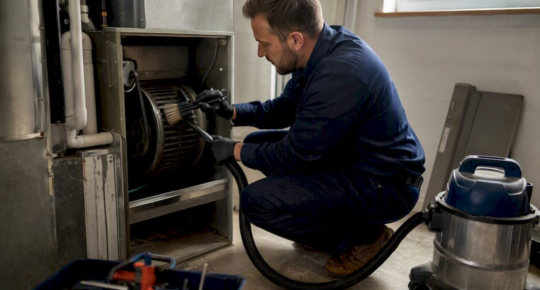
Learn when to clean your blower wheel yourself and when to hire a pro to ensure optimal airflow and system performance.
-
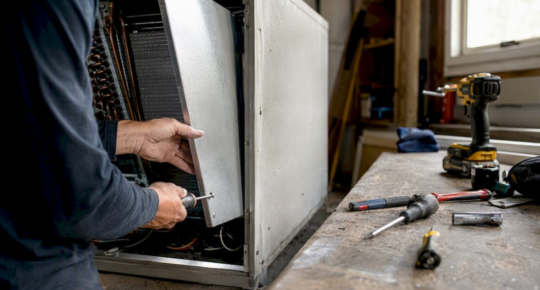 Air Handler Cleaning Cost: What NY, NJ, and CT Homeowners Pay24 August, 2026
Discover the true costs of air handler cleaning for homeowners in NY, NJ, and CT. Learn when to hire a pro and avoid unnecessary expenses.
-
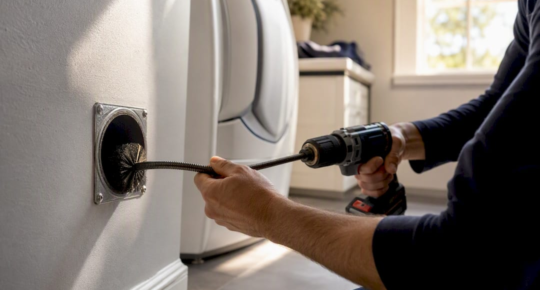 Can You Clean a Roof Dryer Vent Yourself?23 August, 2026
Learn how to clean your roof dryer vent safely from indoors with the right tools. Keep your home efficient and reduce fire risks!
-
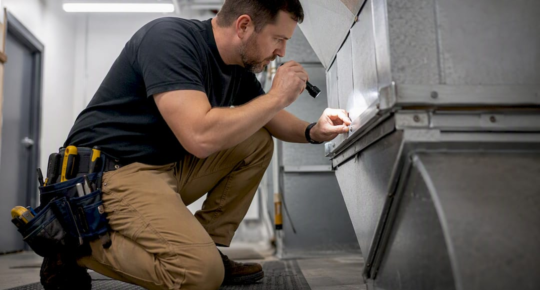 Multi-Family Duct Work Guide: What Managers Must Require22 August, 2026
Ensure your multi-family duct work meets standards with our guide. Verify contractors’ qualifications and protect your investment today.
-
 Building a Reliable Tenant Air Quality Workflow21 August, 2026
Discover how to create a reliable tenant air quality workflow that enhances building trust and ensures optimal indoor environments.
-
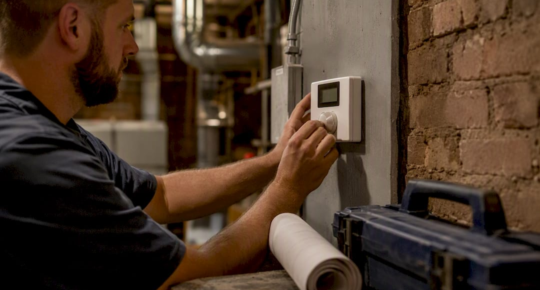 Manage HVAC Schedules to Cut Energy Costs and Extend Life20 August, 2026
Discover effective strategies to manage HVAC schedules, reduce energy costs by up to 20%, and extend equipment lifespan for better efficiency.


