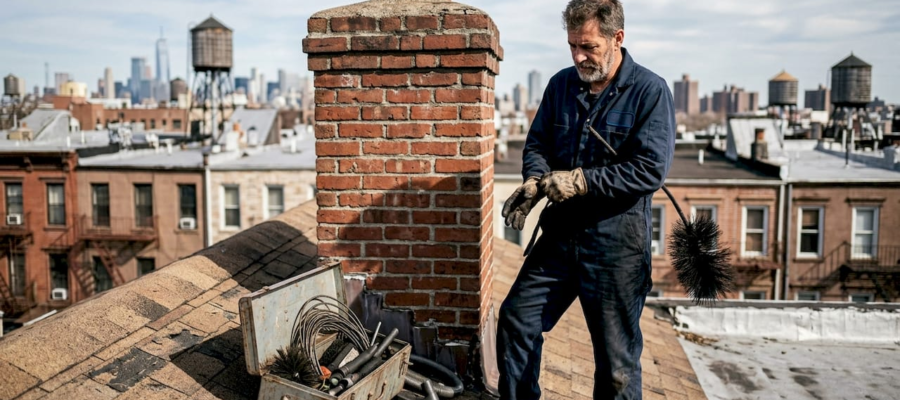
Top 7 benefits of chimney cleaning for NY, NJ & CT homes
Chimney fires cause thousands of incidents annually across the United States, with creosote buildup being the primary culprit. Many homeowners in New York, New Jersey, and Connecticut underestimate how quickly dangerous deposits accumulate inside chimneys, creating serious fire hazards and reducing heating efficiency. Regular professional chimney cleaning addresses these risks while delivering multiple benefits that protect your property and improve indoor comfort. This article explores the essential advantages of maintaining a clean chimney, from fire prevention to energy savings, with guidance tailored specifically for our region’s climate and housing stock.
Table of Contents
- Key takeaways
- 1. Prevent chimney fires by removing creosote buildup
- 2. Use seasoned wood and hot fires to reduce creosote buildup
- 3. When to call professionals: heavy buildup, multi-flue chimneys, and animal nests
- 4. Improved heating efficiency and indoor air quality
- 5. How often should you clean your chimney? Regional frequency recommendations
- Schedule professional chimney cleaning services today
- Frequently asked questions
Key Takeaways
| Point | Details |
|---|---|
| Creosote removal | Regular professional chimney cleaning eliminates creosote deposits to dramatically reduce fire risk. |
| Seasoned wood use | Burning wood with moisture content below 20 percent produces less creosote and lowers maintenance needs. |
| Heavy buildup requires pros | For heavy creosote buildup or complex chimneys, a certified professional should perform the cleaning. |
| Efficiency and air quality | Cleaning improves heating efficiency and indoor air quality. |
| Animal blockages | Nesting animals in chimneys create blockages that require expert removal. |
1. Prevent chimney fires by removing creosote buildup
Creosote forms when wood burns incompletely, leaving behind a tar-like residue that clings to chimney walls. This substance is extremely flammable and progresses through three stages of increasing danger. Stage 1 creosote appears as flaky soot that brushes away easily. Stage 2 becomes harder and resembles black flakes or popcorn. Stage 3 transforms into a shiny, hardened glaze that professional tools and chemicals must remove.
Chimney fires cause thousands of property damage incidents each year, with temperatures reaching approximately 2000°F during active burning. These extreme conditions can crack masonry, warp metal components, and ignite nearby combustible materials. The risk intensifies when homeowners burn wet wood or operate fires at low temperatures, both of which accelerate creosote formation.
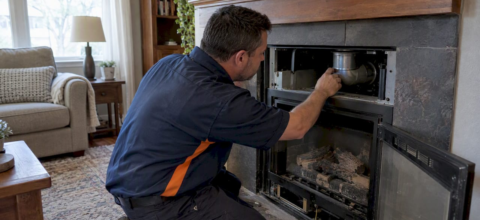
Professional chimney cleaning removes these dangerous deposits before they ignite. Certified technicians inspect the entire flue system, identifying problem areas and eliminating buildup at every stage. This preventive approach dramatically reduces fire risk compared to waiting until visible problems emerge.
Key fire prevention benefits include:
- Elimination of Stage 1 and Stage 2 creosote before hardening occurs
- Professional assessment of Stage 3 glazed deposits requiring specialized treatment
- Identification of chimney damage from previous small fires
- Removal of combustible debris like bird nests and leaves
- Documentation of chimney condition for insurance purposes
“Regular professional inspection and cleaning substantially lowers the incidence of chimney fires in residential properties, protecting both structure and occupants from preventable disasters.”
Homeowners who maintain annual cleaning schedules experience fewer emergency repairs and insurance claims. The investment in prevention costs far less than repairing fire damage or replacing a compromised chimney system.
2. Use seasoned wood and hot fires to reduce creosote buildup
The type of wood you burn directly affects how much creosote accumulates in your chimney. Seasoned wood with moisture content below 20% burns hotter and cleaner, producing significantly less creosote than wet or green wood. Unseasoned wood contains excess water that cools combustion temperatures, creating more smoke and incomplete burning.

When you burn wet wood, the fire struggles to reach optimal temperatures. This smoldering condition generates thick smoke laden with unburned particles that condense on cool chimney walls as creosote. The problem compounds quickly, with heavy deposits forming after just a few fires using improper fuel.
Hot fires minimize creosote formation by maintaining temperatures that burn wood particles more completely. A vigorous fire with good air supply produces less smoke and fewer tar compounds. However, even with proper technique, some creosote always forms, which is why professional sweeping remains necessary.
Chimney cleaning logs marketed as creosote reducers contain chemicals that modify existing deposits, making them more brittle and easier to remove. These products help between professional cleanings but cannot replace thorough mechanical sweeping. They work best as maintenance tools rather than primary cleaning methods.
Best practices for reducing creosote include:
- Storing firewood in covered areas for at least six months before burning
- Testing wood moisture with an inexpensive meter before use
- Building hot fires rather than letting wood smolder overnight
- Opening dampers fully to ensure adequate air supply
- Avoiding softwoods like pine that produce more creosote than hardwoods
Pro Tip: Stack firewood in a single row with space between pieces to maximize air circulation and speed drying. Wood stored in tight piles takes twice as long to season properly.
Proper wood selection and burning technique extend the time between professional cleanings while reducing overall maintenance costs. However, even with perfect practices, annual inspection remains essential for safety.
3. When to call professionals: heavy buildup, multi-flue chimneys, and animal nests
Stage 3 glazed creosote presents challenges beyond DIY capabilities. This hardened, glass-like coating resists standard brushing and requires specialized chemicals and rotary tools that professionals use. Attempting to remove glazed creosote without proper equipment risks damaging chimney liners and leaving dangerous deposits behind.
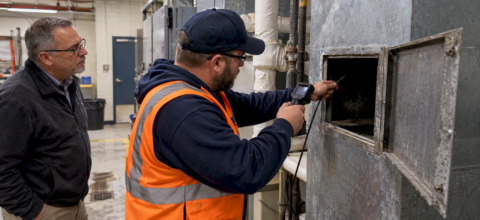
DIY chimney cleaning carries significant risks for inexperienced homeowners. Without proper training, you might miss hidden creosote deposits, damage the flue liner, or fail to identify structural problems. Professional sweeps use video inspection cameras to examine areas invisible from top or bottom access points.
Older properties throughout New York, New Jersey, and Connecticut often feature multi-flue chimneys serving multiple fireplaces or heating systems. These complex configurations require expert knowledge to clean properly. Each flue needs individual attention, and interconnected passages can hide dangerous blockages.
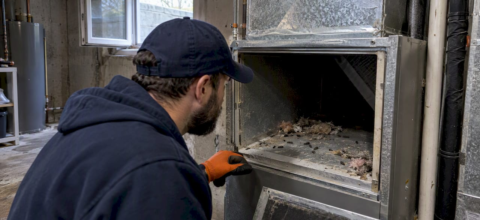
Animal nests create immediate fire hazards by blocking proper ventilation. Birds, squirrels, and raccoons commonly build nests in chimneys during warmer months. These nests contain highly flammable materials like twigs, leaves, and grass. A blocked chimney also prevents dangerous gases from escaping, potentially causing carbon monoxide buildup indoors.
“Professional chimney services provide the expertise, tools, and safety protocols necessary to address complex cleaning situations that homeowners cannot safely handle alone.”
Professional intervention becomes critical when:
- Glazed creosote covers more than 25% of flue surfaces
- Multiple flues require simultaneous cleaning and inspection
- Animal nests block the chimney opening or flue passage
- Previous fires have damaged masonry or metal components
- Homeowners lack proper safety equipment for roof access
| Method | Effectiveness | Risk Level | Best For |
|---|---|---|---|
| DIY Brushing | Low to moderate | High injury risk | Light Stage 1 creosote only |
| Chimney Logs | Minimal | Low | Maintenance between cleanings |
| Professional Service | High | Minimal | All creosote stages, damage, nests |
Professional removal of animal nests ensures complete extraction without pushing debris deeper into the flue. Technicians also install chimney caps to prevent future nesting, protecting your investment long term.
4. Improved heating efficiency and indoor air quality
Creosote deposits and debris accumulation reduce chimney draft, the natural upward flow of air that removes smoke and gases. When draft diminishes, your fireplace or wood stove operates less efficiently. Reduced airflow means incomplete combustion, wasted fuel, and lower heat output from each log burned.
Blocked or restricted chimneys force smoke and combustion gases back into living spaces. This backdrafting introduces harmful pollutants including carbon monoxide, particulate matter, and volatile organic compounds. These contaminants irritate respiratory systems and pose serious health risks, especially for children and elderly residents.
Regular cleaning restores proper airflow by removing obstructions throughout the entire flue system. Clean chimneys create stronger draft, pulling smoke upward efficiently and allowing fires to burn hotter with less fuel. This improved combustion translates directly into better heating performance and lower wood consumption.
Well-maintained chimneys reduce heating costs by maximizing the energy extracted from each fire. When your fireplace or stove operates at peak efficiency, you burn less wood to achieve the same warmth. The cumulative savings over a heating season often exceed the cost of professional cleaning.
Efficiency and air quality benefits include:
- Stronger draft that removes smoke completely from living areas
- Reduced particulate matter entering indoor air
- Lower carbon monoxide risk from incomplete combustion
- Better heat transfer from fireplace to room
- Decreased wood consumption for equivalent warmth
Pro Tip: Schedule chimney cleaning in late summer or early fall, before the heating season begins. This timing ensures your system operates at maximum efficiency when you need it most.
Homeowners notice immediate improvements in fireplace performance after professional cleaning. Fires start easier, burn cleaner, and produce more heat with less smoke spillage into rooms.
5. How often should you clean your chimney? Regional frequency recommendations
Cleaning frequency depends on multiple factors including wood type, burning habits, and chimney construction. Most homeowners in New York, New Jersey, and Connecticut benefit from annual professional inspection and cleaning. However, specific situations require more frequent attention.
Heavy wood burners who use their fireplace or stove as a primary heat source throughout winter need cleaning twice yearly. The increased fuel consumption accelerates creosote buildup beyond what annual service can safely manage. Spring and fall cleanings keep these high-use systems operating safely.
Burning unseasoned or wet wood dramatically increases cleaning needs. Even occasional use of improper fuel creates heavy deposits that warrant mid-season inspection. Homeowners who cannot source properly seasoned wood should increase cleaning frequency to compensate.
Evaluating your chimney cleaning needs:
- Inspect the firebox and visible flue for heavy soot accumulation after 40-50 fires
- Notice if smoke enters the room when starting fires, indicating possible blockage
- Check for strong smoky odors even when the fireplace is not in use
- Look for pieces of creosote falling into the firebox from above
- Schedule professional inspection if any warning signs appear
| Usage Pattern | Wood Type | Recommended Frequency |
|---|---|---|
| Occasional (1-2 fires/week) | Seasoned hardwood | Once yearly |
| Regular (3-5 fires/week) | Seasoned hardwood | Once yearly |
| Heavy (daily burning) | Seasoned hardwood | Twice yearly |
| Any frequency | Wet or unseasoned wood | Every 6 months |
| Rarely used | Any type | Every 2-3 years with inspection |
Local chimney cleaning services understand regional conditions that affect maintenance schedules. Professional sweeps assess your specific situation and recommend appropriate cleaning intervals based on actual chimney condition rather than generic guidelines.
Consistent maintenance prevents the accumulation of dangerous deposits and identifies small problems before they become expensive repairs. Tracking your cleaning schedule helps establish patterns that optimize both safety and cost.
Schedule professional chimney cleaning services today
Protecting your home from chimney fires and maintaining efficient heating requires expert attention. Professional chimney cleaning ensures thorough removal of creosote at all stages, eliminates dangerous blockages, and identifies structural issues before they compromise safety.

Amazon Air Duct Cleaning brings over 10 years of specialized experience to homeowners throughout New York, New Jersey, and Connecticut. Our certified technicians use industry-leading equipment and follow strict safety protocols to deliver comprehensive chimney services. We understand the unique challenges of older homes and complex multi-flue systems common in our region.
Scheduling regular chimney maintenance protects your property investment while improving heating efficiency and indoor air quality. Our team provides detailed inspections, professional cleaning, and practical recommendations tailored to your specific chimney system and usage patterns.
Don’t wait until problems emerge. Book your chimney cleaning now to ensure your system operates safely throughout the 2026 heating season. Contact Amazon Air today for expert chimney sweeping services and experience the peace of mind that comes with professional care.
Frequently asked questions
What is creosote and why is it dangerous?
Creosote is a flammable tar-like substance that forms when wood burns incompletely, accumulating on chimney walls in three progressive stages. Stage 3 glazed creosote becomes extremely hard and highly combustible, capable of igniting and causing chimney fires that reach 2000°F. Regular professional cleaning removes these deposits before they create serious fire hazards.
Can I clean my chimney myself or should I hire a professional?
DIY chimney cleaning carries significant risks including incomplete creosote removal, damage to flue liners, and missed structural problems. Professional chimney cleaners have specialized tools, training, and video inspection equipment to thoroughly clean and assess your entire system. Experts are essential for heavy creosote buildup, glazed deposits, multi-flue chimneys, and animal nest removal.
How often should I have my chimney cleaned?
Most homeowners in New York, New Jersey, and Connecticut need annual chimney cleaning before each heating season. Heavy wood burners using their fireplace daily require twice-yearly service, while those burning wet or unseasoned wood need cleaning every six months. Professional inspection determines the appropriate schedule based on your specific usage and chimney condition.
What signs mean my chimney needs cleaning?
Strong smoky odors when the fireplace is not in use, smoke entering the room during fires, visible thick soot buildup, and pieces of creosote falling into the firebox all indicate cleaning needs. Other warning signs include difficulty starting fires, weak draft, and evidence of animal nests or debris. Schedule professional inspection immediately if you notice any of these symptoms.
Recommended
- Professional Chimney Sweep & Repair in NY & NJ | Book Today!
- 3 Reasons to Sweep your Chimney – Amazon Air Duct Cleaning
- Chimney Cleaning in Trenton NJ | Chimney Inspection & Repair
- Toms River NJ Chimney Sweep & Cleaning | CSIA Certified Experts