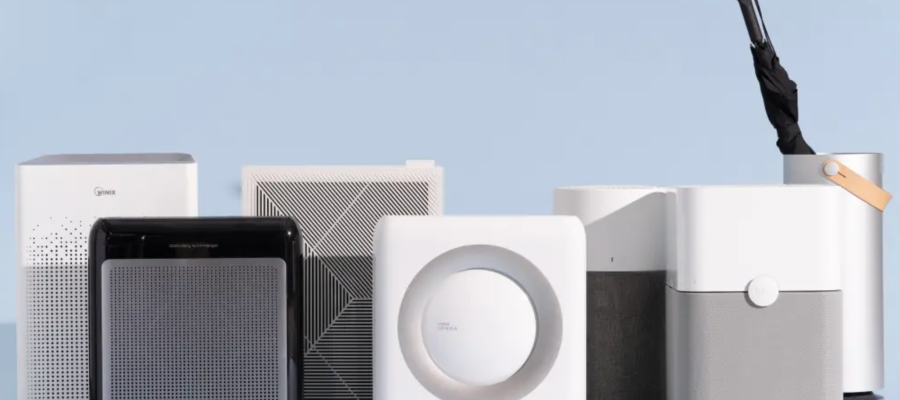
How to Choose the Best Air Purifier for Your Home
Indoor air quality matters more than many realize. From allergens like pollen and pet dander to household dust, volatile organic compounds (VOCs), and even wildfire smoke, the air inside our homes can become surprisingly polluted. For homeowners looking to breathe easier, selecting the right air purification system is an important step. But with so many models and technologies available, choosing the right air purifier can feel overwhelming.
This guide breaks down how to choose the best air purifier for your space, your health needs, and your indoor environment—without the sales fluff.
How to Choose the Best Air Purifier
The ideal air purifier depends on your room size, sensitivity to allergens, and the specific pollutants you want to reduce. The first step is to identify your priorities. Are you targeting pet dander? Need relief from seasonal allergies? Trying to reduce lingering odors or mold spores? These concerns will influence which features and filtration technologies matter most.
HEPA vs. UV Air Purifier: What’s the Difference?
HEPA filters (High-Efficiency Particulate Air) trap airborne particles, including pollen, dust, and smoke. They’re especially effective for allergy relief and are commonly recommended for households with pets.
UV purifiers use ultraviolet light to neutralize certain pathogens, such as bacteria or viruses. While this sounds promising, UV units often lack particle filtration and are best used in conjunction with other systems. For most homeowners, a HEPA-based model is the more reliable, research-backed solution.
What Size Air Purifier Do I Need for My House?
Room size directly impacts your selection. A small desktop unit won’t make much difference in an open-concept living area, while an oversized purifier in a small bedroom may waste energy and require unnecessary filter replacements.
Look for the Clean Air Delivery Rate (CADR) rating. CADR indicates how effectively an air purifier removes pollutants and is usually rated for smoke, pollen, and dust.
What Is the Best Air Purifier for Dust and Pets?
Choose models with HEPA filters and pre-filters. Pre-filters trap larger debris like pet hair and lint, helping your main filter last longer and perform better.
For homes with pets, look for air purifiers that also include activated carbon filters to reduce odors. Check the filter replacement schedule, as pet-heavy homes often need more frequent maintenance.
Sizing Guidelines by CADR
If your room is about 100 square feet, choose a CADR of at least 65. For 300 square feet, look for 195. For 600 square feet, aim for 390. These figures assume standard 8-foot ceilings. Larger rooms or added pollution sources may require stronger systems.
Additional Features to Consider
It’s easy to get distracted by extra features. Here’s what’s worth your attention—and what isn’t:
Helpful:
- Auto mode (adjusts fan speed)
- Filter change indicator
- ENERGY STAR certification
- High CADR-to-watt ratio
Less Necessary:
- Ionizers (can emit ozone)
- No-fan models
- Bluetooth control
Want more tips? See 5 Ways to Freshen Your Home’s Air for natural approaches.
How Many Air Purifiers Do I Need for My House?
Most air purifiers are designed for single-room use. If you want coverage for multiple rooms or floors, you’ll need multiple units or a whole-home system that integrates with your HVAC. Start with the bedroom and high-traffic living spaces.
Where Is the Best Place to Put an Air Purifier in Your Home?
Place your purifier where airflow isn’t blocked—keep it away from curtains, furniture, or corners. Near pollutant sources (like pet areas or kitchens) is best. Leave a few feet of clearance around the unit for optimal circulation.
Air Purifier vs. Ventilation: Understanding the Difference
Air purifiers clean recirculated air, but they don’t replace fresh air. Ventilation introduces outdoor air, which improves air quality overall. Use fans and open windows (when possible) to complement purification systems.
Also consider your HVAC system. Dirty ducts can undermine air quality, even with a new purifier. See our guide to preparing your HVAC for warm weather for seasonal tips.
Do Air Purifiers Help with Viruses?
Some models help reduce airborne virus particles. Look for HEPA filters with high CADR ratings for smoke (small particles). Still, purifiers should be part of a broader protection plan—not your only defense.
Avoid Ozone-Producing Devices
Be cautious of ozone generators. These devices intentionally release ozone, which can irritate lungs and worsen respiratory issues. Always check for ENERGY STAR certification to avoid high-ozone units.
Final Thoughts
Choosing the right air purifier depends on room size, air quality needs, and technical performance—not brand hype. Focus on HEPA filters, CADR ratings, and room coverage.
Combine air purification with duct cleaning, smart placement, and ventilation for best results. A good purifier supports better breathing, better sleep, and better home health year-round.