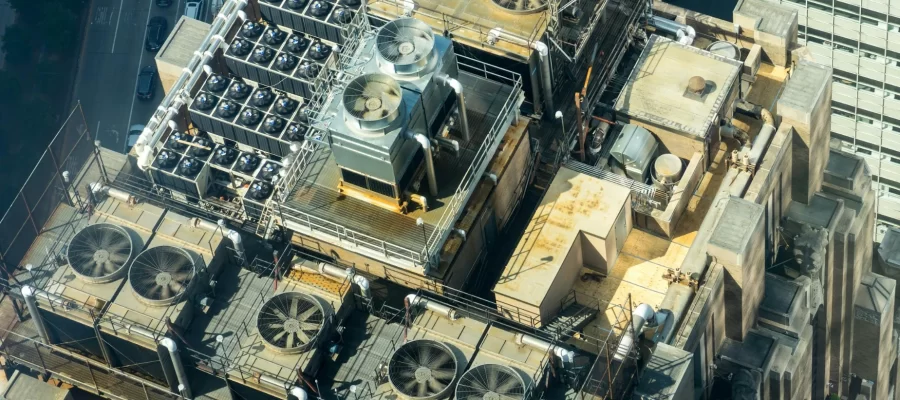
Stamford’s Coastal Climate Impact on Commercial Air Systems
If you’re running a business or managing a building in Stamford, CT, you’ve probably dealt with the coastal weather in more ways than one. The salt in the air, the thick summer humidity, the erratic temperature swings—they all have a quiet but powerful effect on your property. And it’s not just the roof or the windows feeling the impact. Your commercial air systems are right in the middle of it, and they’re doing a lot more than just moving air.
How Salt in the Air Starts Wearing Down the System
Salt is not so friendly when it settles inside air handling units. In coastal towns, salt particles are constantly floating through the air. They slip into outdoor vents and intake grilles, then build up inside key components—metal housings, coils, blower fans. Bit by bit, they start corroding everything they touch.
This kind of damage isn’t dramatic at first. It sneaks in slowly. Maybe airflow starts to feel a little weaker. Maybe you notice uneven temperatures across your floors. But by the time those symptoms show up, your system has likely already taken a hit. For commercial properties, especially ones with larger footprints or multiple floors, that kind of silent wear can get expensive fast.
Moisture and Mold—A Hidden Problem in Stamford’s Humid Climate
Humidity is another constant in coastal Connecticut. Even when it’s not pouring outside, moisture is hanging in the air. It creeps into ductwork, clings to surfaces, and creates the perfect setting for mold and mildew. This is more than just a cosmetic issue—once spores take hold inside your air system, they get circulated through the whole building.
This is especially relevant in office buildings, clinics, gyms, or any shared space where a lot of people spend long hours. Poor indoor air quality can lead to allergies, headaches, fatigue—even code violations if it gets bad enough. And in most cases, mold starts in places no one sees: deep inside the commercial duct system.
Corrosion Doesn’t Wait for You to Notice
The thing about corrosion is that it doesn’t take a break. Even if you’re not running your AC full-blast, the salty moisture in coastal air is still sitting on your system’s metal parts, eating away slowly. That includes outdoor condenser coils, internal control boards, even fan motors. Commercial air systems aren’t cheap, and replacing parts due to salt damage isn’t something anyone wants to deal with in the middle of a busy season.
A lot of building managers assume that since the unit is inside or tucked away, it’s protected. But salt doesn’t care about walls. It moves with the wind, settles on everything, and keeps doing its job—breaking stuff down.
Smarter Design Choices for Coastal Properties
Not all HVAC setups are created equal. There are air systems out there specifically designed for coastal environments, and if your building doesn’t have one yet, it’s worth considering. These systems use corrosion-resistant materials—think coated coils, sealed electronics, and stainless steel where it matters most.
If your current system is still doing the job, that’s great. But it’s not just about what works right now. It’s about how long it will keep working, especially in a climate that adds stress every day. For buildings, small upgrades to commercial ducting or replacing specific components with salt-resistant versions can buy you years of extra service life.
Routine Maintenance Matters More Near the Water
Maintenance isn’t the most exciting topic, but in a place like Stamford, it becomes one of the smartest ways to cut costs over time. Commercial HVAC systems work harder in coastal zones, plain and simple. Salt and humidity increase wear, and without routine checks, that wear adds up to early breakdowns and expensive fixes.
If you’re managing a property that serves a lot of people—say, a restaurant, medical facility, or multi-tenant building—this becomes even more important. Routine attention to your commercial duct layout, filters, and internal air flow can keep everything running smoother and safer. Think of it as basic care for a system that’s quietly handling an extreme environment every single day.
Energy Use Goes Up When Systems Struggle
Here’s something many owners don’t realize until it’s too late: the energy costs of running a damaged system climb way before the system breaks. When parts are corroded or airflow is blocked by debris or microbial growth, your system has to push harder. That shows up in your utility bills.
And when you’re running multiple units or serving large commercial spaces, even a 10% drop in efficiency can cost thousands over the year. Stamford’s climate makes these kinds of inefficiencies more likely, so it pays to keep an eye out for creeping energy usage. If your bills are up but your output hasn’t changed, that’s your first red flag.
When Commercial Ducting Fails Quietly
A lot of attention gets paid to the HVAC units themselves, but the ductwork often goes overlooked. In coastal cities, the ducts are just as vulnerable to wear. Moisture can cause seams to loosen, salt can weaken fasteners, and insulation can degrade faster than expected. All of this affects airflow and temperature control, which impacts tenant comfort and operational consistency.
For larger buildings, a failing duct system can mean one zone is freezing while another barely cools. It’s not just a comfort issue—it’s also hard on the system, which now has to work overtime to correct problems caused by damaged ducting.
Local Knowledge Makes a Difference
Servicing systems in coastal environments isn’t the same as working inland. Technicians who understand Stamford’s unique climate will know what to look for and where the common problem areas tend to be. They’ve seen how salt affects different system types, and they understand what needs to be addressed before real damage sets in.
This kind of knowledge is especially valuable during preventative appointments. A team that knows the climate isn’t just ticking boxes—they’re actively helping you avoid future issues that someone unfamiliar with the area might miss entirely.
Wrap-Up: Why Stamford, CT Buildings Need a Different HVAC Game Plan
Beautiful local locations come with tradeoffs. The salty air, the humidity, the storms—they all have long-term effects on your building’s inner systems. And for commercial spaces, it’s your air systems that bear the brunt of it. Taking a passive approach doesn’t work here. You need proactive care, thoughtful upgrades, and a team that knows the challenges local properties face.
If your building’s commercial air system hasn’t been evaluated with the coastal climate in mind, now’s a good time to start. From improving energy performance to protecting indoor air quality, the right adjustments today can prevent serious issues tomorrow.
For property owners, managers, and anyone responsible for maintaining comfort and safety in Stamford, CT—your environment is unique, and your air systems should be treated accordingly.