

When do you know it’s time to clean your air ducts?
The air duct system, though not entirely visible to the naked eye, still needs maintenance and cleanings every now and then. But, since it’s not easily accessible, how do you know when it’s time for a clean? Read the 4 signs below to find out!
1. Debris and dust from the registers
Excess dust and debris may start being released into the air within the house and prompt health problems, as more than 40 pounds of it may be accumulated in just one year. If you notice any signs of excess dusting around the areas of ventilation, it’s time to get your air ducts cleaned.
2. Reduced efficiency
If the air flow has been noticeably slower than usual – it’s due to the excess dust inside the air ducts. Not only will this increase your bills, but it also contaminates the air you breathe.
3. Mold
If you notice mold or mildew forming around ventilation areas, it’s definitely time for an urgent clean. The more you put it off – the more it will spread and may permanently harm the air duct system.
4. Respiratory problems
If you start feeling the side effects of unclean air, which include allergies, increased coughing, runny noses, or even asthma attacks whenever you turn the air conditioning or heating system – it is definitely time to call us. If any of your household members experience these issues on the regular basis, cleaning air ducts frequently will help ease the symptoms.
If one or more of the elements described above are true for you – it’s definitely time to contact us, the clean air professionals that will help you and your family breathe easier!


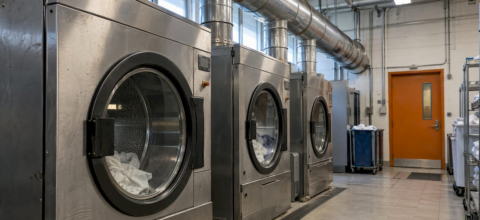
Hospital dryer vent safety explained for facility managers: fire risks, code basics, warning signs, cleaning frequency and documentation for NY, NJ and CT.
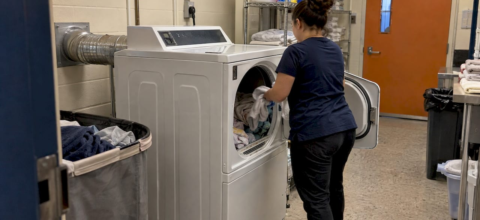
How to keep a daycare dryer vent safe in NY, NJ and CT: code basics, warning signs, cleaning schedules and a staff routine that controls lint.
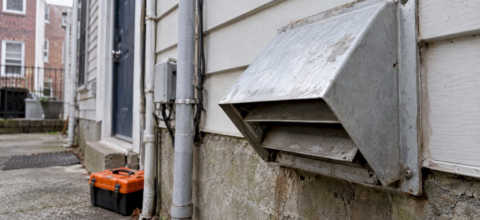
Who handles dryer vents in rentals, condos and commercial buildings? A property manager’s guide to duties, schedules, records and code for NY, NJ and CT.
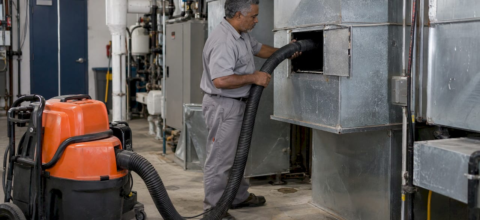
No federal law sets a duct cleaning schedule for commercial buildings, but standards, leases and fire codes do. Here is what applies in NY, NJ and CT.

Learn which chimney creosote levels are safe, why 1/8 inch is the trigger to sweep, how to spot each stage, and how NY, NJ and CT homeowners can act.

Hospital dryer vent safety explained for facility managers: fire risks, code basics, warning signs, cleaning frequency and documentation for NY, NJ and CT.

How to keep a daycare dryer vent safe in NY, NJ and CT: code basics, warning signs, cleaning schedules and a staff routine that controls lint.

Who handles dryer vents in rentals, condos and commercial buildings? A property manager’s guide to duties, schedules, records and code for NY, NJ and CT.

No federal law sets a duct cleaning schedule for commercial buildings, but standards, leases and fire codes do. Here is what applies in NY, NJ and CT.