12 Reasons Why One Room Is Hotter Than Others
Noticing one room is consistently hotter than the rest of the house can be more than just a comfort issue—it’s often a sign of HVAC inefficiency or airflow imbalance. This is especially common in older homes or multilevel spaces. If you’re wondering why a specific room stays hot while the AC runs, you’re not alone. Here are 12 common causes—and how to fix them.
1. Blocked or Covered Vents
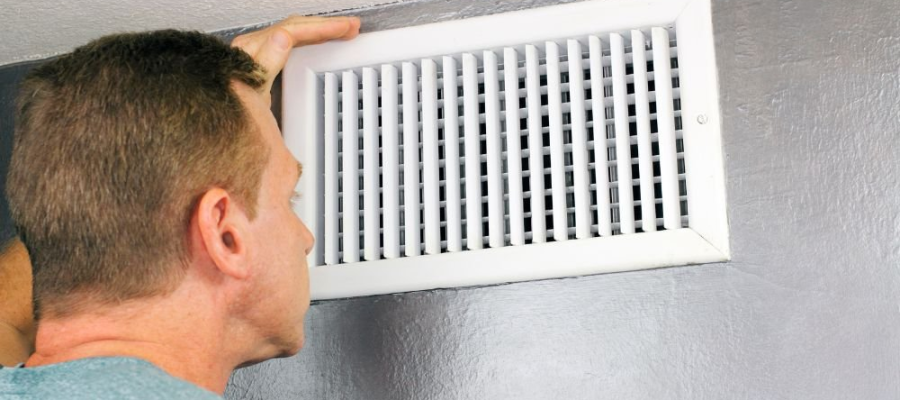
Furniture, rugs, or drapes can obstruct supply vents, making it harder for air to reach specific areas. Rearranging items to clear vents is a simple fix that can restore proper airflow.
2. Dirty Air Filters
Clogged filters restrict airflow and cause uneven temperatures. Replacing filters every 1–3 months is an essential maintenance task.
3. Leaky or Poorly Insulated Ductwork
Leaks and unsealed duct joints can prevent cool air from reaching target rooms. Have ducts inspected and sealed by professionals.
4. Inadequate Insulation
Rooms exposed to direct sunlight or lacking attic/wall insulation will heat up faster. Adding insulation can stabilize room temperature.
5. Incorrect Thermostat Placement
Thermostats placed in shaded or drafty locations can misread the home’s true temperature, leading to inefficient cooling cycles.
6. No Zoned Temperature Control
Single-zone HVAC systems cool the entire home uniformly. In large or multistory homes, this often leaves distant rooms too hot. Consider zoning or smart dampers.
7. Improperly Sized HVAC System
An undersized system may struggle to cool the home. An oversized unit can short-cycle, resulting in uneven cooling. A proper load calculation can help.
8. Weak HVAC Blower
Old or malfunctioning blower motors can’t push air efficiently through long duct runs. Cleaning or replacing the blower may be necessary.
9. Solar Heat Gain
South- and west-facing rooms absorb more sunlight. Install blackout curtains, low-E window film, or solar screens to reduce heat gain.
10. Hot Air Rising
In two-story homes, heat naturally rises to upper floors. Run ceiling fans and set HVAC fans to “on” to keep air circulating between levels.
11. Poor Return Vent Placement
Without a nearby return vent, hot air lingers in rooms. Add passive grilles or ducted returns to improve circulation.
12. Closed or Unbalanced Dampers
Check that manual or automatic duct dampers aren’t restricting air to specific rooms. Adjusting them can improve airflow balance significantly.
When to Call the Pros
If you’ve replaced filters and checked for obstructions but still struggle with uneven temperatures, schedule a professional HVAC inspection. They can diagnose and resolve less obvious issues like hidden leaks, blower inefficiency, or control board failures.
Final Thoughts
One hot room isn’t just an annoyance—it’s a red flag for HVAC inefficiency. Addressing the issue early improves comfort, reduces energy waste, and extends the life of your system. Start with simple checks, and call a trusted pro if needed.