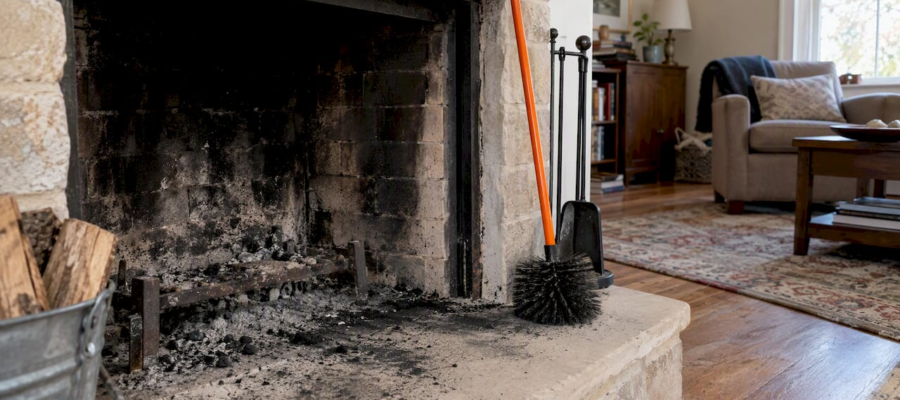
Homeowners: Chimney Soot Inside? Avoid 65% Higher Indoor PM2.5
Finding chimney soot inside your home is not normal. It means smoke and combustion byproducts are entering living spaces, and that needs attention right away. If you smell strong smoke or suspect carbon monoxide, stop using the fireplace or stove, open windows for ventilation, check that your CO detector is working, and arrange a professional inspection if soot keeps appearing where it shouldn’t.
TL;DR:
- Soot inside your home often indicates venting issues such as blocked or damaged chimneys, requiring an immediate professional inspection if soot appears repeatedly or during normal use.
- Regular cleaning and inspection follow NFPA 211 standards, with a Level II inspection recommended when soot enters living spaces or smoke backs up into the house.
- Air quality is compromised by fine particulate matter from soot and creosote, which can worsen respiratory conditions and should be addressed promptly through proper ventilation and filtration.
- Homeowners should monitor soot patterns, odors, and smoke behavior during fires to detect underlying venting or draft problems early.
- Professional chimney sweeping with HEPA filtration and targeted repairs eliminate creosote buildup, reduce fire risk, and improve indoor air safety effectively.
Table of Contents
- What soot and creosote are, and why they end up inside your house
- Health and safety risks when soot appears inside the house
- How to figure out where the soot is coming from
- Safe cleanup for surfaces and air, and what to avoid
- When a professional inspection is the right call
- What field experience teaches about soot incidents
- The overlooked part of chimney safety
- How Amazon Air Duct Cleaning can help with soot and creosote problems
- Sources
- FAQ
What soot and creosote are, and why they end up inside your house
Soot is the fine black powder left behind when wood or fuel does not burn completely. Creosote is its stickier, more flammable cousin, formed when smoke condenses on cool flue walls during a slow or smoky burn. Both are signs that combustion gases are not making a clean, fast exit up the chimney.
Several everyday issues push soot back into the house instead of up and out:
- Burning wet or unseasoned wood, which smolders at lower temperatures and produces heavier smoke
- Restricted airflow from a closed damper, a dirty flue, or a chimney cap packed with debris
- Animal nests or blockages that narrow the passage smoke needs to escape
- Cracked or deteriorated liners that let smoke leak into walls or living areas
- Downdrafts caused by wind, nearby trees, or pressure differences inside the home
Homeowners often make small mistakes that add up: overloading the firebox with too much wood, closing the damper too soon to save heat, or letting a stack of damp logs sit as the only available fuel. Each of these raises the odds that soot ends up on your mantle instead of in the atmosphere where it belongs.
Health and safety risks when soot appears inside the house
Soot is not just a cleaning nuisance. It carries fine particulate matter, known as PM2.5, that is small enough to reach deep into the lungs. The EPA notes that wood smoke’s fine particles can aggravate asthma and bronchitis and raise cardiovascular risk, especially for children, older adults, and anyone with existing respiratory conditions.
One study found homes without a chimney cleaning in the past year had 65% higher indoor PM2.5 levels than homes cleaned within six months, according to research on wood-heated households. That gap reflects how much a neglected flue can affect the air you breathe every day.
Soot entering the house is also a red flag for combustion gases you cannot see or smell as easily, including carbon monoxide. Our guide to carbon monoxide risks in chimneys covers detection and response steps worth reading if smoke has backed up into your home.
There is a fire risk too. Creosote is combustible, and thick deposits can ignite inside the flue, a situation that can crack liners or spread to the structure itself.

How to figure out where the soot is coming from
Before deciding whether to handle something yourself or call for help, walk through a few safe checks:
- Note where the soot is landing: on the mantle, inside the firebox, or on walls farther from the fireplace, since the pattern often points to the source.
- Look for visible blockages from the ground or attic, such as a damaged cap or debris, without climbing onto the roof.
- Pay attention to smell and timing: soot appearing only during windy weather suggests a downdraft issue, while it showing up every time you light a fire suggests a venting problem.
- Check whether smoke visibly backs up into the room when you open the damper, which points to a draft or blockage problem rather than just a dirty flue.
Some signs mean you should stop using the appliance immediately and schedule a Level II inspection: smoke entering the home during normal use, unexplained odors between fires, or soot turning up in rooms far from the fireplace. These are exactly the indications of malfunction that NFPA 211 flags as triggers for a closer look.
Safe cleanup for surfaces and air, and what to avoid
Cleaning up soot the wrong way can spread fine particles further into your home. Start with the air: a HEPA air purifier, ideally paired with activated carbon for lingering odor, helps capture particles that dry dusting would only stir up. Swapping in a MERV 11 to 12 HVAC filter and running ventilation when it’s safe to do so also helps clear the air faster.
For surfaces, CIRES recommends wet-wiping horizontal surfaces with diluted soapy water rather than dry brushing, which resuspends soot into the air you’re trying to clean. A HEPA vacuum works well for settled dust. Skip harsh chemical cleaners and vinegar, since they can react with ash residue instead of simply lifting it away.
- Wear an N95 or similar NIOSH-rated respirator, gloves, and goggles while cleaning, a precaution NIOSH recommends even for professional sweeps
- Bag heavily soiled fabrics or materials rather than shaking them out indoors
- Keep children and pets out of the cleanup area until surfaces are wiped down
Pro Tip: If soot has settled into carpet, upholstery, or HVAC ducts, treat it as a job for professional equipment rather than a weekend project, since surface cleanup alone doesn’t fix the venting problem causing it. For step-by-step odor removal between visits, see our chimney odor elimination steps.
When a professional inspection is the right call

NFPA 211 recommends an annual chimney inspection and cleaning for any system in regular use. A basic Level I inspection covers the readily accessible parts of the flue, but once there are indications of malfunction, smoke entering the home being the clearest one, a Level II inspection is warranted, which looks more closely at the liner and accessible portions of the structure.
A professional visit typically includes:
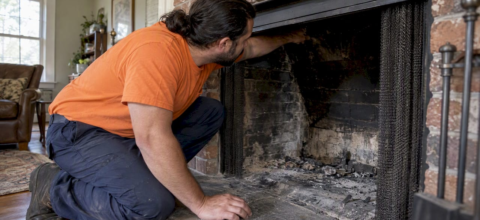
- Inspecting the flue, liner, and cap for cracks, gaps, or blockages
- Clearing nests, debris, or creosote buildup from the chimney
- Sweeping accumulated soot and creosote to reduce fire risk
- Recommending repairs or relining when damage is found
Catching these issues early reduces both fire risk and the chance of combustion gases finding their way back into your home. Ask for written documentation of findings and any recommended follow-up, which gives you a record for insurance or future service visits. Our guide on NFPA-backed wood stove chimney cleaning walks through what a compliant sweep schedule looks like.
What field experience teaches about soot incidents
A swept chimney is clean enough to operate safely, not spotless. Some staining on brick or metal surfaces often remains even after a thorough sweep removes the combustible creosote and soot that matter for safety.
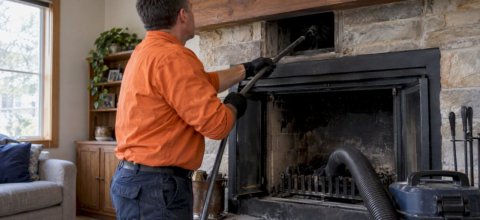
It helps to photograph the affected areas before a technician arrives, keep children and pets clear of the work zone, and mention if soot has spread beyond the fireplace room, since that sometimes means a coordinated duct inspection is worth scheduling too. Technicians with extensive field experience follow NFPA-based inspection steps and use HEPA-equipped vacuums during sweeps, consistent with NIOSH guidance for limiting dust exposure.
The overlooked part of chimney safety
Most chimney advice focuses on scheduling an annual sweep and calling it done. That’s necessary, but it skips the part homeowners actually need most: learning to read what their chimney is telling them between visits. Soot patterns, odor timing, and smoke behavior during a burn are free diagnostic information that most people never learn to notice.
The conventional wisdom also undersells air quality. People treat soot as a mess to wipe up rather than a marker of particulate exposure that can linger for days if cleanup is rushed or done dry. Based on what the evidence shows about PM2.5 and combustion gases, the priority order should be safety first, air quality second, and cosmetic cleanup last. A homeowner who stops using a smoking fireplace immediately and calls for a Level II inspection is making a better call than one who scrubs soot off the mantle and relights the fire that evening.
— Victor
How Amazon Air Duct Cleaning can help with soot and creosote problems
Soot inside your home usually traces back to a venting or buildup issue that a visual check alone can’t fully diagnose. Professional services are available to handle the inspection and the fix in one visit across New York, New Jersey, and Connecticut.

- Level I or Level II inspection depending on what you’re seeing or smelling
- Full sweep with HEPA-assisted cleanup to limit dust spread
- Minor repairs and follow-up recommendations when damage is found
Take photos of the affected areas before your appointment so the technician has context. Book a visit through our chimney cleaning page to get the venting issue addressed before it becomes a bigger one.
Sources
For readers who want to dig into the research behind this guide: NFPA 211 covers inspection levels and triggers, the EPA’s wood smoke page explains particulate health effects, a peer-reviewed study ties cleaning frequency to indoor PM2.5, and CIRES offers practical post-fire cleanup guidance. For restoration specifics, see this step-by-step cleanup guide.
This article is general information, not a substitute for advice from a qualified doctor. Consult a qualified healthcare professional about your own circumstances before acting on anything here.
- Indoor fine particulate matter and household/stove characteristics in rural wood-heated homes
- Wood smoke and your health — EPA
- How to mitigate post-fire smoke impacts in your home | CIRES
- NIOSH report: Respiratory protections and hazards for chimney sweeps
FAQ
Is breathing in soot from a chimney safe?
No. Soot contains fine particulate matter that can irritate the lungs and worsen asthma or bronchitis, according to the EPA. Anyone with respiratory or heart conditions should limit exposure and ventilate the area until it’s cleaned up properly.
Why am I finding black soot in my house?
Black soot inside the house usually means smoke is backdrafting due to a blocked flue, a damaged liner, or a downdraft rather than venting properly outside. It’s a sign the chimney needs inspection, not just cleaning.
Is it normal for soot to come out of a chimney?
A small amount of soot settling near the firebox opening can happen occasionally, but soot regularly appearing on the mantle, walls, or in other rooms is not normal. That pattern points to a venting problem that NFPA 211 treats as an indication for a Level II inspection.
How to get rid of soot in chimney?
Light surface soot can be wiped with diluted soapy water and a HEPA vacuum, following CIRES cleanup guidance, while avoiding dry brushing or harsh chemical cleaners. Heavier creosote buildup inside the flue itself requires a professional sweep, since that’s not a job surface cleaning can fix.
Recommended
- Chimney Odor Elimination Steps for Homeowners
- Top Reasons to Schedule Chimney Sweeps for Homeowners
- Top 7 benefits of chimney cleaning for NY, NJ & CT homes
- Carbon Monoxide Risks in Chimneys: 2026 Safety Guide