What is That Smell? Common HVAC Odors and What They Mean
You walk into your living room and notice something off. There’s a smell you can’t quite place, and it seems to be coming from the vents. Some HVAC odors are totally harmless, while others need your immediate attention.
The good news is most smells follow a pattern. Once you can identify what you’re smelling, you’ll know if it’s normal or time to take action.
That Damp, Basement-Like Smell
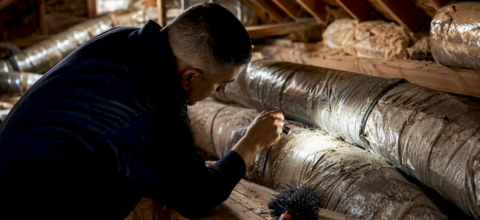
If your HVAC smells musty, there’s probably moisture sitting somewhere it shouldn’t be. Mold and mildew thrive in damp spots, and your ductwork offers plenty of dark corners where water can collect. During humid months, this smell tends to get worse because condensation builds up faster.
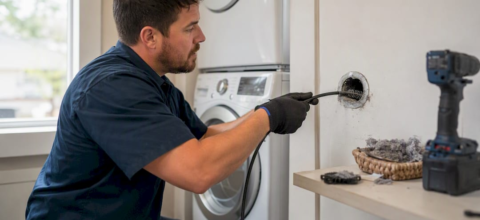
The real problem is that these spores travel through your entire house every time the system runs. Anyone with allergies or asthma might notice their symptoms getting worse. Cleaning out your air ducts can help remove built-up, mold, and debris from places you can’t reach on your own.
When Your System Smells Like It’s Burning
First Time Turning on the Heat
Turn on your furnace after it’s been sitting all summer, and you’ll probably get a whiff of burning dust. This is normal. Dust settles on the heat exchanger while it’s not in use, and that furnace odor comes from it burning off. Give it about 20 minutes, open a window, and it should go away.
When It Doesn’t Go Away
The burning smell that sticks around is different. This could mean parts are overheating, wires are failing, or the motor is wearing out. Shut your system off right away. Running it longer won’t help and could lead to a fire.
Smelling Rotten Eggs? Get Out and Call for Help
Smelling sulfur or rotten eggs means natural gas is leaking. Gas companies add that smell on purpose so you’ll notice it. Don’t investigate. Don’t look for the source. Just leave.
| Do This Right Away | Don’t Do This |
| Get everyone out of the house | Touch light switches |
| Call the gas company once you’re outside | Use your phone indoors |
| Turn off the gas if it’s safe to reach | Try to find where it’s coming from |
Sometimes sewer gas can smell similar. It’s not as dangerous right away, but you’ll still want to get it checked out.
Why Does My AC Smell Weird?
Sweet or Chemical Odors
A sweet smell, or something that reminds you of nail polish remover, usually points to a refrigerant leak. Your system needs refrigerant to work, and it’s not something you want to breathe in. Another possibility is a cracked heat exchanger mixing combustion gases with your air. Either way, this needs professional eyes.
The Gym Locker Smell
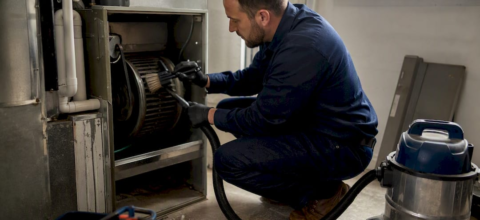
If your AC smells bad like dirty socks or a locker room, bacteria are growing on the evaporator coils. This happens in humid areas where moisture doesn’t dry out completely. The bacteria multiply and create that musty gym smell. Antimicrobial treatments help kill bacteria in your duct system so the smell doesn’t keep coming back.
Dead Animals in Your HVAC System?
A strange smell from vents sometimes means an animal got in. Birds and rodents crawl into ductwork looking for warmth or shelter. If one can’t get back out, the decomposition smell spreads throughout your home every time the system kicks on.
Don’t try to handle this yourself. Animals can nest deep inside, and partial removal leaves waste and bacteria behind. Getting help with wildlife removal means the area gets cleaned properly and entry points get sealed.
What Each Smell Means for Your Timeline
| What You Smell | Possible Cause | How Urgent |
| Rotten eggs | Gas leak | Emergency, evacuate now |
| Burning that won’t stop | Electrical problem | Turn off system immediately |
| Sweet chemical smell | Refrigerant leak | Schedule service soon |
| Musty mold | Moisture buildup | Needs attention this week |
| Dead animal | Wildlife in ducts | Schedule removal service |
| Brief dust burning | Normal seasonal dust | Monitor for 30 minutes |
Don’t Ignore Unusual Odors
Your heating and cooling system usually does its job without any fuss. When a smell shows up, it’s telling you something has changed. Sometimes it’s just dust burning off. Other times it’s pointing to mold, a gas leak, or electrical trouble.
Notice patterns. Does it happen at every startup? Does it get stronger over time? Writing down these details helps you explain the situation clearly if you need to call someone. With gas or electrical burning smells, though, don’t wait to document anything. Get out first, then handle it.