5 Warning Signs Your Dryer Vent Is a Fire Hazard
About 15,000 house fires start in dryers every year. The culprit is usually not a broken machine. It’s lint trapped inside the vent system.
Most homeowners have no idea this is happening until something goes wrong. Here are five warning signs that your dryer vent needs attention, plus what to do about each one.
Why Blocked Vents Are So Dangerous
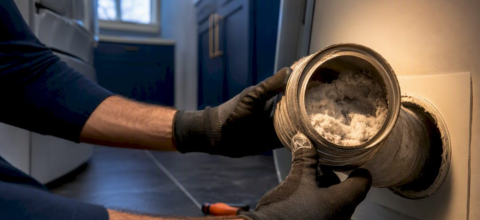
Your dryer pushes hot, damp air through a vent to the outside of your house. Lint goes with it. Some get caught in the lint trap, but plenty slips past and sticks to the inside of the ductwork.
Once enough lint builds up, heat has nowhere to go. The temperature inside your dryer climbs higher and higher. Since lint catches fire easily, you end up with all the ingredients for a dangerous situation.
5 Warning Signs Your Dryer Vent Needs Attention
Your Clothes Need Two or Three Cycles to Dry
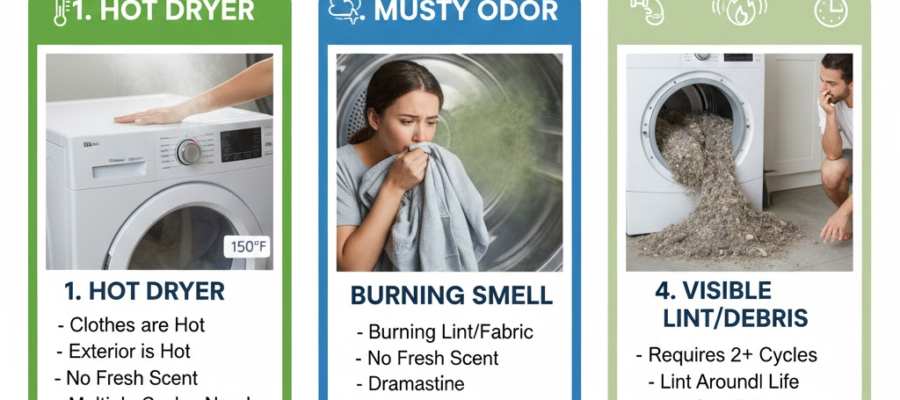
This is usually the first sign something’s wrong. A load that used to take 45 minutes now takes twice as long. The problem is trapped moisture. A clogged vent keeps humid air stuck in the drum, so your clothes stay damp.
Most people think their dryer is getting old. But if your dryer takes too long to dry, a blocked vent is often the real issue. The machine has to work harder and run hotter, which increases fire risk.
The Dryer Gets Extremely Hot
Touch the top of your dryer mid-cycle. It should feel warm, not scorching. If it’s too hot to keep your hand there, heat isn’t escaping like it should.
A dryer working normally feels warm to the touch, leaves clothes warm when finished, and completes its full cycle without issues. When there’s a problem, the machine becomes too hot to hold your hand on, clothes come out almost too hot to handle, and the dryer may shut off partway through.
Some dryers have a safety switch that shuts the machine down when it overheats. If yours keeps stopping mid-cycle, don’t ignore it. That’s the machine telling you something is seriously wrong.
There’s a Burning Smell
If your dryer smells like something’s burning, stop using it right away. That smell means lint is overheating somewhere in the system. You might notice scorched fabric, hot plastic, or even faint smoke.
The smell often comes from lint buildup near the heating element or deep in the vent. In humid climates, wet lint sticks to vent walls and forms thick layers. Those layers can start to smolder when temperatures get high enough.
The Vent Flap Outside Doesn’t Open
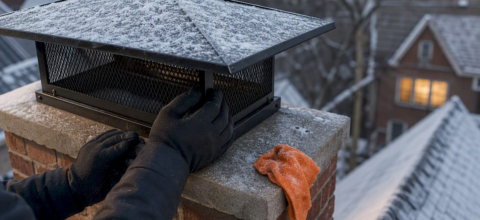
Walk outside while your dryer runs and check the exterior vent. The flap should lift open and warm air should blow out. If the flap stays closed or barely moves, something is blocking the vent.
You might see lint piled around the opening too. Homes with longer vent runs or multiple turns in the ductwork have this problem more often. No airflow means no place for heat to escape.
You Can’t Remember Your Last Cleaning
Even if your dryer seems fine, vents need cleaning at least once a year. Do laundry often? Have pets? Wash a lot of towels or blankets? You probably need it done more frequently.
Lint doesn’t announce itself. It builds up quietly over months. By the time you notice slower drying or other issues, the vent could already be dangerously full.
Steps to Take When Your Dryer Shows Warning Signs
If you spotted any of these warning signs, start by unplugging your dryer. Clean the lint trap even if you do it after every load. Pull the machine away from the wall and look at the hose connecting to the vent. Check for visible lint or damage.
Head outside and watch the vent opening while someone turns the dryer on. No airflow? The blockage is probably deep in the duct. Surface cleaning won’t fix that.
Why DIY Dryer Vent Cleaning Isn’t Enough
Most dryer vents run several feet through walls, floors, or ceilings. A brush from the hardware store can’t reach that far. Professionals use air compressors and specialized brushes to clear the entire length of the duct.
They can also spot other problems. Damaged sections, bad connections, vents that end in the wrong place. These issues are invisible unless you know what to look for. Many homes are older or multi-story, longer vent runs are common. Local techs understand these setups and know how to handle them.
Simple Things You Can Do Between Cleanings
Here are some habits that help reduce buildup:
- Clean the lint trap after every load without skipping
- Check behind your dryer every couple months for lint
- Run shorter cycles instead of one long one
- Don’t overload the dryer with heavy wet items
- Keep the area around the dryer clear
These won’t replace a full cleaning, but they buy you time and keep the dryer working better.
Dryer Vent Fires Are Preventable If You Act Now
Dryer vent fires are preventable. They happen when people miss the warning signs or decide to deal with it later. If your dryer is running hot, taking forever to dry clothes, or showing any other red flag, act now.
Haven’t cleaned your vent in over a year? Don’t wait for a problem to show up. Get your dryer vent checked and cross one more fire hazard off your list.