How to Deal with Humidity Problems in Jersey Shore Homes?
Beach living comes with perks. You get ocean views, morning walks on the sand, and that salt air. But if you own a home in Ocean County, you know the weather can take a toll on your home. Humidity gets into everything and won’t leave.
Maybe you’ve noticed your windows fogging up even though the AC is on. Or there’s a smell in the basement you can’t get rid of. That’s what constant moisture does to homes near the coast.
The Reason Your Coastal Home Feels Damp Year Round
Summer humidity here hits 70% to 90% on most days. That moisture doesn’t just make the air feel thick. It seeps through windows and doors. It gets into your walls and floors. Unlike homes inland where humidity drops at night, coastal properties stay damp all day and night.
Homes do best when humidity stays between 30% and 50%. Go above that and mold starts growing. Dust mites show up. Both trigger allergies and make asthma worse. Ocean County humidity problems affect more than just comfort. They impact your health and the condition of your house.
What Happens When Indoor Humidity Gets Too High
Mold Grows Fast
Mold needs moisture to grow. Bathrooms and basements are common spots, but many people don’t realize it grows inside HVAC systems too. Once mold gets in your ductwork, every time the system runs, it spreads spores throughout your house. That musty smell that won’t go away is usually mold somewhere you can’t see. Treating it before it spreads saves you from bigger problems later.
Bugs Love It
Damp spaces attract cockroaches and silverfish. Dust mites thrive in humidity above 50%. They live in bedding, carpets, and furniture. Their droppings float around in the air and affect anyone with breathing issues.
Wood and Paint Suffer
Wood floors buckle. Paint peels off walls. Drywall gets soft. Door frames swell so doors won’t close right. Small issues turn into expensive repairs if you ignore them long enough. Wood rot and structural damage cost thousands to fix.
Your AC Struggles
Air conditioners remove some moisture, but they’re bilt to cool, not dehumidify. In extreme humidity, the system works overtime trying to do both. That means higher electric bills and more wear on parts. You still end up with rooms that feel sticky even when the temperature seems right.
How to Reduce Humidity in Your Coastal Homes
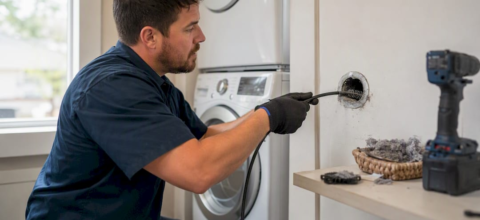
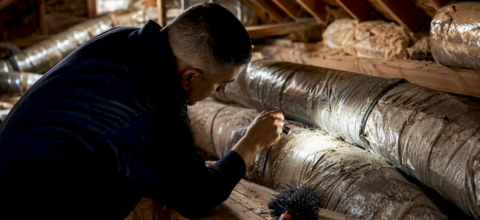
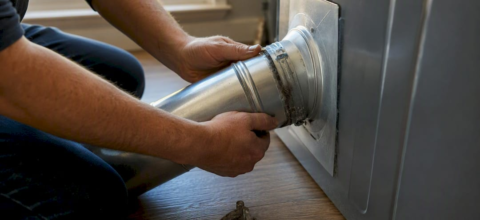
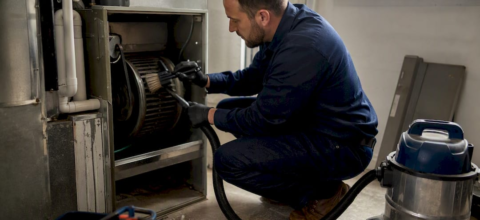
Your HVAC system handles most of the humidity control, but only if it’s clean and working right. Dirty ducts make things worse. Dust builds up inside and moisture collects on it. That becomes more mold that gets blown through your house.
Cleaning your air ducts removes the buildup. UV lights installed in the air handler kill mold and bacteria before they spread. For homes at the Jersey Shore, this helps prevent mold from getting established in the first place. Changing filters regularly and keeping coils clean also makes a difference in how well your system pulls moisture from the air.
Better Air Quality Starts with Understanding the Problem
You can’t change the weather in Ocean County. But you don’t have to live with poor air quality. Most homes need someone to look at where moisture gets in and how well the HVAC system handles it. Sometimes duct cleaning fixes it. Sometimes UV lights help. Often it takes more than one approach. The point is figuring out what’s causing the problem instead of just covering up the symptoms.
When to Call Someone About Your Indoor Air
If you’ve tried running the AC more, bought a standalone dehumidifier, and still wake up to foggy windows, the problem is probably deeper than surface-level fixes can reach. Musty smells that come back after cleaning usually mean mold hiding somewhere in the system. Allergy symptoms that get worse at home point to air quality issues.
A duct inspection shows you what’s going on inside your system. From there, you can figure out whether cleaning, UV treatment, or both will help. Living near the water means dealing with humidity, but it doesn’t mean accepting stuffy air and moisture damage as normal.