What Causes That Musty Smell When You Turn On Your HVAC System
You turn on the heat or AC and suddenly there’s an odor you can’t ignore. Sometimes it’s damp and musty. Other times it smells like something burning. You might not be able to describe it exactly, but you know something’s off.
Different smells mean different things. Some are harmless. Others need immediate attention. Here’s how to figure out what you’re dealing with.
Why Does Your AC Smell Like a Wet Basement?
A musty smell from vents usually points to moisture somewhere in your system. When water sits too long, mold and mildew move in. Every time your system runs, it spreads that smell through your house.
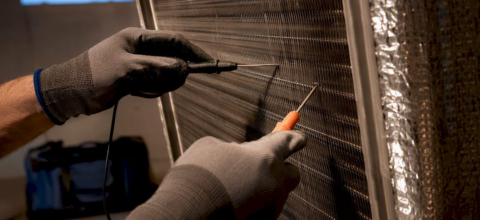
Air conditioners remove humidity from the air. That water has to drain somewhere. If the drain line clogs or the pan fills up, moisture collects on the evaporator coil or settles in your ductwork. Those damp, dark spots are perfect for mold growth.
- A clogged drain line means water backs up instead of draining out.
- A full drain pan creates standing water where mold can breed.
- A wet evaporator coil stays damp and grows mildew.
- Condensation inside your ducts lets moisture build up over time.
This isn’t an emergency, but you shouldn’t ignore it. Mold spores affect your air quality. If anyone in your home has allergies or asthma, it’s even more important to deal with.
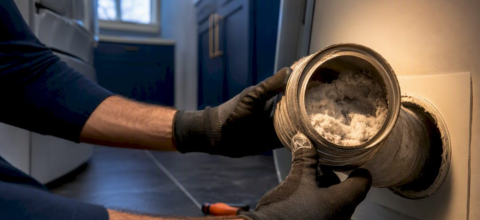
Cleaning the evaporator coil gets rid of buildup where mildew grows. When the smell comes from your ducts, you’ll need to clean the ductwork to reach what’s inside.
What to Do When Your HVAC Smells Like Burning Plastic?
The first time you turn on your furnace each fall, a burning smell is normal. Dust settles on the heat exchanger all summer, and it burns off when you fire things up. The smell should disappear within an hour or two.
If your furnace smells like burning plastic and it doesn’t go away, that’s different. A smell that sticks around means something’s overheating. Maybe a motor is struggling. Maybe there’s a wiring problem. Maybe airflow is restricted because your filter is clogged.
- An ongoing electrical smell points to an overheating motor or wiring issue. Turn off your system and get it inspected.
- A strong chemical odor usually means a component is failing. Shut everything down right away.
Don’t keep running your system hoping the smell will improve. Get someone to look at it before you use it again. If you have a fireplace or your furnace vents through a chimney, getting your chimney cleaned helps rule out buildup as a cause.
Does Your Furnace Smell Like Rotten Eggs?
If your furnace smells like rotten eggs, take it seriously. Natural gas has no odor, so utility companies add mercaptan to give it that sulfur smell. It’s designed to be noticeable.
A rotten egg odor near your furnace or coming through your vents means there’s likely a gas leak. This is dangerous. Don’t try to find it yourself.
What to Do Right Now:
- Leave your home immediately
- Don’t touch light switches or any electronics
- Don’t use your phone while inside
- Call your gas company once you’re outside
- Don’t go back in until they clear it
Gas leaks can cause explosions or carbon monoxide buildup. Get out and let professionals handle it.
What Other Weird HVAC Smells Could Mean
Sometimes your AC smells like a wet basement even when you don’t see any water. High humidity and poor ventilation cause this. Your system might not be removing moisture like it should.
Sweet or chemical smells can mean a refrigerant leak. It might smell like formaldehyde or something vaguely sweet. Low refrigerant affects how well your AC cools, and breathing it over time isn’t good for you.
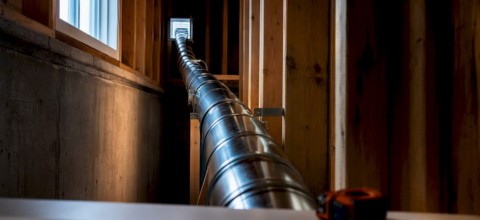
If the odor won’t quit and you can’t figure out where it’s coming from, it might be deep in your ductwork. Dust, moisture, and even dead pests can settle in places you can’t reach. Changing your filter helps, but it won’t fix what’s already stuck inside. Getting rid of smells in air ducts usually requires professional cleaning to reach those hidden spots.
Don’t Ignore Strange Odors From Your HVAC
Your nose picks up problems you can’t see. Strange smells from your heating and cooling system aren’t random. They’re clues about what’s going wrong.
Small problems get worse when you ignore them. A clogged drain becomes a mold issue. A bit of burning dust is fine, but an overheating motor isn’t. Dealing with things early keeps your home safe and saves you from bigger headaches later.
If you’ve got a smell that won’t go away, have someone take a look before it turns into something more serious.