MERV Ratings Explained for Homeowners Who Want Cleaner Air
Ever stood in the filter aisle at the hardware store feeling completely lost? MERV 8, MERV 11, MERV 13. The numbers keep climbing, and so do the prices. You grab one and hope it’s right.
Turns out, the most expensive filter isn’t always the best choice. Sometimes it can cause problems. Let’s figure out what these ratings mean and which one belongs in your house.
What Does MERV Stand For?
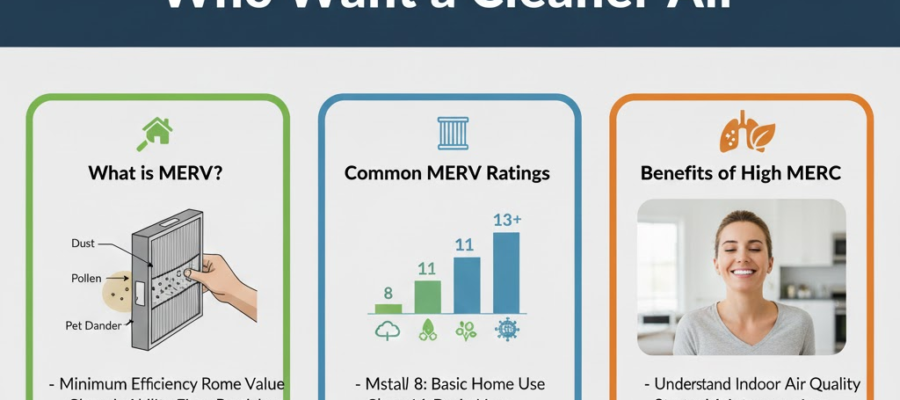
MERV stands for Minimum Efficiency Reporting Value. It’s a number that shows how well a filter catches stuff floating in your air. The scale goes from 1 to 16 for home use.
Think of it like a net. MERV 4 has big holes that catch lint and carpet fuzz. MERV 13 has tiny holes that trap particles you can’t see. Higher numbers catch smaller particles.
Breaking Down MERV Ratings From 1 to 16
Each rating catches different particle sizes, measured in microns. A human hair is about 70 microns wide. These filters catch things much smaller.
MERV 1-4, Skip These
These catch big stuff like dust clumps and lint. You can see light through them, which tells you they don’t filter much. They protect your equipment but not your air. Most people should start at MERV 8.
MERV 5-8, The Standard Choice
MERV 8 catches pollen, mold spores, and dust mite debris. If nobody in your home has allergies and you don’t have pets, this works fine. It keeps your system clean and lets air flow easily.
MERV 9-12, Better for Allergies and Pets
MERV 11 catches everything lower ratings do, plus pet dander, bacteria, and skin flakes. If you have pets or mild allergies, this makes sense. When comparing MERV 8 vs MERV 11 for allergies, it comes down to how sensitive you are. Seasonal sniffles might be fine with MERV 8, but constant symptoms usually improve with MERV 11.
If you’re trying to figure out the best MERV rating for a home with pets, MERV 11 is usually the answer. It handles pet dander without making your system work too hard.
MERV 13-16, Hospital-Grade Filtration
These catch viruses, smoke, and smog. Sounds great, but they’re dense. That density restricts airflow, which can strain your HVAC system. Not every system can handle it.
Can a Filter Be Too Good for Your System?
Here’s the thing nobody mentions on the filter package. Denser filters create resistance. Your HVAC pulls air through the filter using a blower motor. The tighter the filter, the harder it works.
Too much resistance causes problems. Your bills go up because the system runs longer. The blower motor wears out faster. Airflow drops, making some rooms uncomfortable.
So is MERV 13 too high for most home HVAC systems? For many, especially older units, yes. Check your manual or ask a technician about your system’s max rating before going high-efficiency.
Most modern systems handle MERV 8-11 without issues. You get clean air without overworking your equipment.
Matching Your MERV Rating to Your Home
Skip the highest number on the shelf. Pick based on what’s happening in your house.
No pets, no allergies
MERV 8 works fine. It catches common particles and keeps costs down. A clean MERV 8 beats a clogged MERV 11 every time. Change it regularly and you’re set.
You have pets or mild allergies
MERV 11 makes sense. Pet dander circulates constantly with dogs or cats. Standard filters miss most of it. Once you understand how these ratings work, it’s clear that MERV 11 catches what MERV 8 doesn’t without causing airflow problems.
If you notice pet hair piling up or someone sneezes more during shedding season, MERV 11 helps. The price difference is usually just a few dollars per filter.
Serious allergies, asthma, or respiratory issues
MERV 13 might help, but check with a technician first. Your system needs to handle it. Some homes do better with UV light air purification alongside a moderate filter instead of forcing a high-efficiency filter on a system that can’t support it.
People with asthma often see improvement with MERV 11 alone. MERV 13 is a bigger jump and needs professional guidance about your system’s capacity.
Smokers in the house
MERV 13 traps tobacco smoke particles, but again, verify compatibility. Air purifiers might be a better option than stressing your system. Choosing the right filter for specific needs covers options for different situations.
What About Filter Thickness and Types?
Walk into any hardware store and you’ll see filters in different thicknesses and styles. Some cost three times as much as others. Here’s what matters.
- Standard 1-inch pleated filters are the most common. The pleats add surface area for catching more particles. Change them every 30-90 days depending on your home and pets. They fit most residential systems without modifications.
- Thicker filters (4 or 5 inches) last longer, sometimes six months. They cost more upfront but you change them less often. The extra thickness gives air more room to flow through, which helps with higher MERV ratings. Your system needs a slot that fits these, so check before buying.
- Electrostatic filters use static to grab particles and usually match MERV 9-10 performance. Some are washable and reusable, which sounds convenient. Just remember you need to clean them regularly, and washing doesn’t always remove everything trapped inside.
- Fiberglass filters are the cheapest but catch the least. These are the see-through ones rated MERV 1-4. They protect your equipment from large debris but don’t help air quality much. Most people are better off spending a bit more for at least MERV 8.
How Often Should You Change Your Filter?
Even good filters stop working once they’re full of trapped particles. A clogged filter blocks airflow just like one that’s too dense.
Mark your calendar when you put in a new filter. Check it monthly by holding it up to light. Can’t see through it? Time to swap it out. Homes with pets or lots of dust need more frequent changes. During peak seasons like spring with pollen or fall with leaves and mold, check every two weeks.
Here’s a tip. Buy a box of filters instead of one at a time. You’ll have them ready and won’t put off changes because you need to make a store run. Write the install date on the filter frame with a marker so you remember when it went in.
Your system’s blower fan setting affects filter life too. Running the fan all the time circulates more air through the filter, which means it fills up faster. If you run your fan 24/7, plan on more frequent changes.
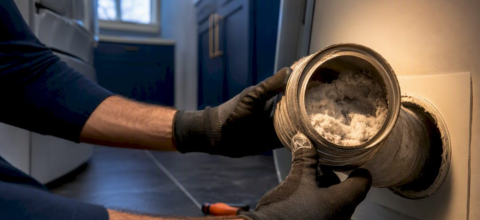
Filters only clean the air passing through them. If your ducts are filled with years of accumulated dust, filters can’t fix that. Getting your ductwork cleaned removes buildup that filters alone can’t reach.