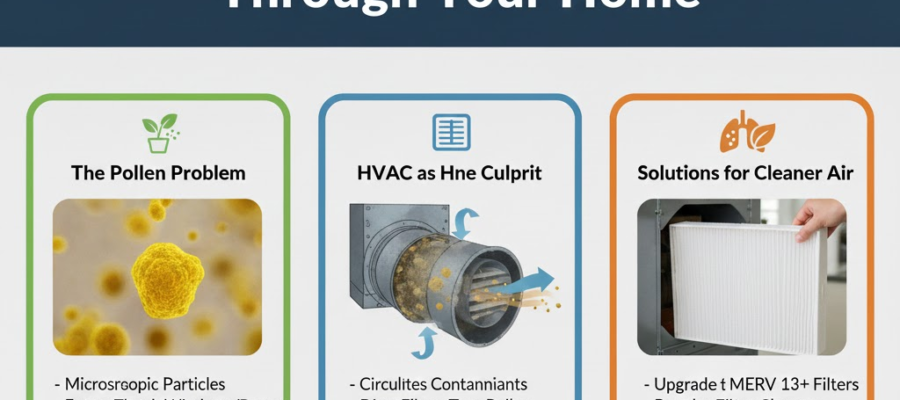
Your HVAC System Might Be Spreading Pollen Through Your Home
Spring in New York, New Jersey, and Connecticut brings blooming trees and rising pollen counts. Oak, birch, and maple trees release clouds of pollen that coat cars and trigger sneezing fits. The problem is that pollen doesn’t stay outside. It gets into your home on your clothes and shoes, and your HVAC system can spread it around.
A system that hasn’t been maintained in a while makes allergies worse by circulating the pollen you’ve already tracked indoors. But with a few adjustments, your heating and cooling system can help filter out allergens instead of spreading them.
How Pollen Builds Up in Your Ductwork Over Time
Your HVAC system pulls air in through return vents, pushes it through your ductwork, and sends it back out into your rooms. Pollen gets inside on your clothes and shoes, or through small cracks around doors. Once it’s in, those particles get pulled into your return vents.
Pollen settles in your ducts along with dust and other particles. This builds up over months or years. Every time your system turns on, it stirs up some of this buildup and pushes it back into your living space. Reducing pollen in your house means addressing what’s already sitting in your ductwork, not just what’s coming in fresh from outside.
HVAC Tips That Help With Spring Allergies
Best HVAC Filter for Pollen Allergies
The standard filter that came with your HVAC system catches large debris but lets pollen pass right through. Filters rated MERV 9 to MERV 12 have tighter weaves that trap pollen particles. If you want to understand MERV ratings and what they mean, the number tells you how small a particle the filter can catch.
In areas like Connecticut, look for filters rated MERV 9 or higher if pollen allergies are an issue. Replace your filter monthly during spring instead of waiting the usual three months. A dirty filter stops working well and might even release particles back into your air. Tree pollen hits hard in April and May, so plan filter changes around that schedule.
Air Duct Cleaning Help With Allergies
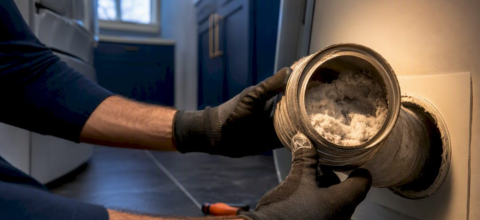
A new filter only helps with fresh pollen. It can’t touch what’s been accumulating in your ductwork for years. Getting your air ducts professionally cleaned removes that buildup so you start with clean air passages.
Does duct cleaning help with allergies? Yes, because technicians remove the dust, pollen, pet dander, and debris sitting in your entire duct system.
UV Light Systems Work for Mold and Bacteria
UV light systems installed in your HVAC use ultraviolet radiation to kill these biological contaminants before they circulate through your home.
These systems work continuously while your HVAC runs, targeting mold that grows in the damp area around your cooling coil. Mold and bacteria trigger allergic reactions, especially for people with mold sensitivities or asthma. The lights need professional installation but require little maintenance once they’re in place.
Indoor Humidity Levels Affect Your Allergies
Mold and dust mites thrive in humid environments, adding to your allergy load alongside seasonal pollen. Your AC pulls moisture from the air as it cools, but dirty coils get in the way of that process.
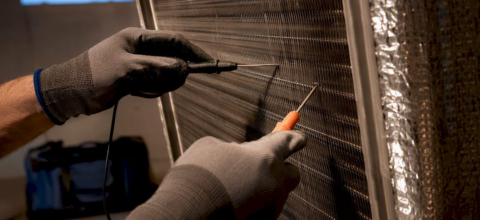
A coil cleaning helps your system dehumidify the way it’s supposed to. Some homes benefit from a whole-house dehumidifier too. Aim for indoor humidity between 30% and 50% to keep mold and dust mites from becoming another problem.
Simple Changes That Support Better Air Quality
- Vacuum with a HEPA filter twice a week. This removes settled pollen before it gets airborne again.
- Run your HVAC fan continuously during allergy season. Even if you don’t need heating or cooling, keeping air moving through your filter helps remove pollen from your indoor environment. Set your thermostat fan to “on” instead of “auto” from April through June.
- Close windows during peak hours. Early morning is when pollen counts are highest, so keeping windows shut prevents fresh pollen from entering.
- Replace air filters monthly in spring. More pollen means your filter works harder, so it needs changing more often to maintain filtration efficiency.
What to Do Next If Spring Allergies Are Taking Over Your House
Living with constant sneezing and congestion at home doesn’t have to be normal during spring. Better filtration, clean ducts, and controlled humidity can reduce allergy symptoms. Each approach tackles a different source of indoor allergens.
Start with the easiest fixes first. Check your filter and upgrade to a higher MERV rating if your system can handle it. Notice when symptoms get worse—certain rooms, times of day, or when the HVAC kicks on. That tells you where the problem might be coming from.
If basic changes don’t help, having your ducts inspected shows whether buildup inside the system is making things worse. Sometimes the issue isn’t pollen coming in from outside. It’s dust, mold, or debris that’s been circulating through your house for months.