How to prepare for duct cleaning in NY, NJ & CT
Your home’s air ducts circulate the same air 5 to 7 times daily, collecting dust, allergens, and contaminants that affect your family’s health. Without proper preparation, even professional duct cleaning can miss critical areas or leave your belongings vulnerable to debris. This guide shows homeowners and property managers in New York, New Jersey, and Connecticut exactly how to prepare spaces for thorough, efficient duct cleaning that delivers measurable improvements in indoor air quality and system performance.
Table of Contents
- Why Preparing Your Home Makes Duct Cleaning More Effective
- Step-by-Step Guide To Preparing Your Home For Duct Cleaning
- Understanding Local Regulations And Cleaning Methods In NY, NJ, And CT
- What To Expect During And After Your Duct Cleaning Session
- Get Expert Air Duct Cleaning In NY, NJ & CT With Amazon Air Pro
Key takeaways
| Point | Details |
|---|---|
| Preparation saves time | Clearing access points reduces cleaning time by 20-30% and ensures thoroughness |
| Protect your belongings | Covering furniture and delicate items prevents dust and debris damage during the cleaning process |
| Know local codes | Understanding tri-state building regulations ensures compliance and avoids penalties in multi-unit properties |
| Professional equipment matters | HEPA filtration systems prevent re-contamination and capture particles as small as 0.3 microns |
| Regular maintenance extends results | Scheduling professional cleaning every 3-5 years maintains optimal air quality and system efficiency |
Why preparing your home makes duct cleaning more effective
Proper preparation transforms duct cleaning from a routine service into a comprehensive indoor air quality upgrade. Preparation significantly reduces cleaning time while ensuring technicians can access every register, return vent, and main trunk line without obstacles. When you clear pathways and furniture around vents, technicians spend their time cleaning rather than moving your belongings.
The efficiency gains compound quickly. A typical 2,000 square foot home with blocked access points can take 6 hours to clean. The same home with proper preparation takes 4 hours, saving you time and reducing service costs. More importantly, proper preparation reduces re-contamination risk and improves cleaning effectiveness by 30% because technicians can maintain consistent negative pressure throughout the entire system.
Pre-cleaning assessment identifies serious hazards that require specialized handling. Mold growth, asbestos insulation in older homes, and pest infestations need professional remediation before standard duct cleaning begins. Discovering these issues mid-service delays the job and increases costs. A thorough walk-through before the appointment allows your cleaning company to bring appropriate equipment and protective gear.
Safety protocols depend on proper system shutdown and hazard identification. Technicians need clear access to your electrical panel to safely power down the HVAC system before cleaning. Running the system during cleaning spreads contaminants throughout your home and puts workers at risk from rotating fan blades and electrical components.
Pro Tip: Take photos of your vents and registers before cleaning. Compare them to post-service photos to verify thorough cleaning and document the improvement for your records.
Homeowners who skip preparation face predictable problems. Dust and debris dislodged during cleaning settle on unprotected furniture, electronics, and artwork. The cleaning process uses powerful vacuum systems that create air movement throughout your home. Without proper covering, you’ll spend days cleaning surfaces after the technicians leave.
Consider incorporating fall HVAC cleaning tips into your preparation routine. Seasonal preparation ensures your heating system operates efficiently when cold weather arrives, combining duct cleaning with system optimization for maximum benefit.
Step-by-step guide to preparing your home for duct cleaning
Follow this systematic approach to prepare your home for professional duct cleaning. Each step builds on the previous one, creating an environment where technicians can work efficiently and safely.
-
Identify all vent locations throughout your home. Walk through every room, including bathrooms, closets, and utility areas. Mark supply vents (blow air) and return vents (pull air) on a simple floor plan. This inventory helps you understand the scope of work and ensures nothing gets overlooked.
-
Clear furniture and obstacles from vent areas. Remove items within 3 feet of each vent to give technicians unobstructed access. Move area rugs, floor lamps, and decorative items that could interfere with equipment placement. Heavy furniture like beds and dressers should be shifted away from wall vents.
-
Protect delicate items and electronics. Cover computers, televisions, and audio equipment with plastic sheeting or move them to rooms not being serviced. Remove artwork from walls near vents. Store collectibles and valuables in closed cabinets or move them to a protected area.
-
Inspect ducts for visible problems. Remove vent covers you can safely access and shine a flashlight into the duct. Look for mold growth (black, green, or white patches), pest droppings, or excessive debris buildup. Document what you find with photos and share them with your cleaning company before the appointment.
-
Clear pathways to your HVAC system and electrical panel. Technicians need easy access to your furnace, air handler, and circuit breaker box. Remove storage items, holiday decorations, and equipment blocking these areas. In basements, ensure adequate lighting and clear stairs.
-
Prepare pets and children for service day. Designate a quiet room away from the work area where pets can stay comfortable during cleaning. The equipment generates significant noise that can stress animals. Arrange for children to be at school or with caregivers, as the process requires technicians to move throughout your home.
-
Secure or remove window treatments near vents. Tie back curtains and blinds to prevent them from interfering with equipment or getting damaged by air movement. Consider temporarily removing delicate drapes in rooms with floor or baseboard vents.
Pro Tip: Create a simple checklist from these steps and complete it 24 hours before your appointment. This buffer gives you time to address any issues you discover during preparation.
| Preparation Task | Time Required | Impact on Cleaning |
|---|---|---|
| Clearing vent access | 30-45 minutes | Reduces cleaning time by 25% |
| Protecting belongings | 20-30 minutes | Prevents post-cleaning dust damage |
| System inspection | 15-20 minutes | Identifies issues requiring specialized service |
| Pet and child arrangements | Variable | Ensures safety and reduces stress |
Renovation projects create exceptional dust and debris that demands professional attention. If you’ve recently completed construction work, review post renovation air duct cleaning methods to understand why standard preparation may need enhancement. Construction dust contains particles that standard vacuuming cannot remove, requiring specialized equipment and techniques.

Understanding local regulations and cleaning methods in NY, NJ, and CT
The tri-state area enforces specific building codes affecting duct cleaning, particularly in multi-unit residential and commercial properties. New York City’s building code requires documented HVAC maintenance for buildings with central air systems, including periodic duct inspection and cleaning. New Jersey mandates that duct cleaning contractors maintain proper licensing and insurance coverage. Connecticut building codes specify ventilation standards that impact when and how ducts must be cleaned.
60% of HVAC professionals in the tri-state area remain unaware of specific local duct cleaning regulations, creating compliance risks for property managers and building owners. Non-compliance can result in fines ranging from $500 to $5,000 depending on jurisdiction and violation severity. More seriously, inadequate cleaning in multi-unit buildings can spread contaminants between units, creating liability for property owners.
Professional duct cleaning employs negative pressure vacuuming with truck-mounted systems delivering 17,000 CFM suction capacity. This method creates a vacuum in your duct system, then uses compressed air tools and rotating brushes to dislodge debris. The negative pressure ensures all dislodged material flows directly into collection systems rather than escaping into your home.

HEPA filtration represents the industry standard for capturing removed contaminants. These filters trap 99.97% of particles 0.3 microns or larger, including mold spores, pollen, and fine dust. Systems without HEPA filtration can reintroduce contaminants into your home, negating the cleaning benefits.
| Cleaning Method | Equipment Type | Best For | Limitations |
|---|---|---|---|
| Negative pressure | Truck-mounted vacuum | Whole-house systems | Requires exterior access |
| Contact cleaning | Rotating brushes | Heavy buildup | May damage flexible ducts |
| Air sweep | Compressed air | Light maintenance | Insufficient for heavy contamination |
| Chemical treatment | Antimicrobial spray | Post-cleaning sanitization | Not a substitute for mechanical cleaning |
Commercial properties face additional regulatory requirements. Multi-tenant buildings in New York must provide tenants with 24-hour notice before duct cleaning that affects individual units. New Jersey requires commercial duct cleaning contractors to carry minimum $1 million general liability coverage. These regulations protect building occupants and ensure professional standards.
Property managers should review commercial duct cleaning NY NJ requirements before scheduling service. Commercial systems often include components like makeup air units, exhaust fans, and specialized filtration that residential cleaning companies may not handle properly.
Key regulatory considerations include:
- Proper disposal of removed debris according to local waste management rules
- Use of EPA-registered antimicrobial treatments when chemical sanitization is requested
- Documentation of cleaning scope and methods for building maintenance records
- Compliance with OSHA safety standards for workers entering confined spaces
- Adherence to manufacturer specifications for duct materials and cleaning methods
The EPA provides comprehensive guidelines for duct cleaning that supplement local regulations. While the EPA does not mandate specific cleaning intervals, their guidance emphasizes the importance of proper methods and qualified contractors. Following EPA recommendations helps ensure your cleaning meets both safety and effectiveness standards.
What to expect during and after your duct cleaning session
Professional duct cleaning follows a systematic process designed to remove contaminants while protecting your home. Technicians begin by inspecting your entire HVAC system, documenting the condition of ducts, registers, and mechanical components. This pre-service assessment establishes baseline conditions and identifies any issues requiring special attention.
The cleaning team sets up their truck-mounted vacuum system, connecting large-diameter hoses to your main trunk lines. They seal registers throughout your home to direct all airflow through the collection system. This creates the negative pressure environment essential for effective cleaning. You’ll hear the vacuum system running continuously, a sound similar to a large shop vacuum but deeper in tone.
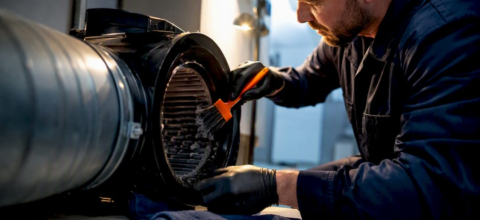
Technicians work systematically through your duct network, accessing each branch line through existing registers or small access holes cut into main trunks. They use compressed air whips, rotating brushes, and specialized tools to dislodge debris from duct walls. The negative pressure immediately captures dislodged material, preventing it from entering your living spaces.
Typical cleaning takes 3-5 hours for average homes with standard HVAC systems. Larger homes exceeding 3,000 square feet or properties with multiple HVAC zones require 6-8 hours or more. Complexity matters more than square footage. A 2,500 square foot home with three separate air handlers takes longer than a 3,500 square foot home with a single system.
Pro Tip: Ask technicians to show you the debris collected from your ducts. Reputable companies willingly demonstrate what they removed, giving you visual confirmation of cleaning effectiveness.
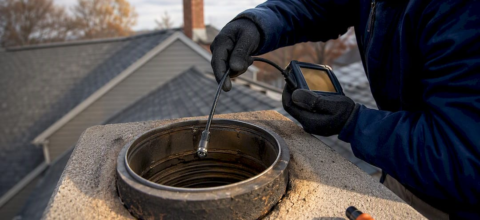
Technicians verify completeness through visual inspection using cameras inserted into ductwork. They check that all accessible surfaces show clean metal or duct board, with no visible dust accumulation or debris. Some companies provide before and after photos documenting the improvement. This documentation proves valuable for maintenance records and helps you understand the service value.
Post-cleaning air quality improvements become noticeable within 24-48 hours. HEPA filtration prevents reintroduction of debris and captures particles that would otherwise recirculate through your home. Many homeowners report reduced dust on surfaces, fewer allergy symptoms, and elimination of musty odors that indicated mold or mildew growth.
Expected benefits include:
- Reduced dust accumulation on furniture and electronics
- Improved airflow from supply registers throughout your home
- Lower energy consumption as your HVAC system operates more efficiently
- Elimination of visible mold growth in accessible duct sections
- Reduced pet dander and allergen circulation for sensitive family members
Maintaining clean ducts requires simple ongoing practices. Change your HVAC filter every 30-90 days depending on system usage and filter type. Use high-quality pleated filters rated MERV 8 or higher to capture particles before they enter your duct system. Vacuum registers and return grilles monthly to prevent dust buildup at entry points.
Monitor your system for signs that cleaning effectiveness is declining. Visible dust blowing from registers, musty odors when the system runs, or unexplained increases in allergy symptoms suggest contamination is returning. Understanding when to clean ducts helps you schedule service before problems affect your indoor air quality.
Get expert air duct cleaning in NY, NJ & CT with Amazon Air Pro
Your home deserves the indoor air quality benefits that professional duct cleaning delivers. Amazon Air Pro brings over 10 years of specialized experience to residential and commercial properties throughout New York, New Jersey, and Connecticut, using truck-mounted HEPA filtration systems that meet the highest industry standards.

Our technicians understand tri-state building codes and regulations, ensuring your cleaning meets all compliance requirements for multi-unit properties and commercial buildings. We specialize in challenging situations like post-renovation cleaning where construction dust and debris demand thorough removal, and commercial duct cleaning for businesses requiring minimal disruption to operations. Every service includes detailed documentation, before and after photos, and a comprehensive system assessment. Our courteous, highly-skilled team treats your property with respect while delivering results you can see and feel. Ready to breathe cleaner air? Review our timing guide to determine if your home needs service, then contact us for a free assessment and transparent pricing.
FAQ
What should I do if I find mold during my duct inspection?
Contact your duct cleaning professional immediately for specialized mold remediation before standard cleaning begins. Mold requires EPA-registered antimicrobial treatments and containment procedures that prevent spore spread. Avoid disturbing visible mold yourself, as agitation releases spores into your home’s air. Professional remediation addresses the moisture source causing mold growth, preventing recurrence after cleaning.
How often should I have my ducts professionally cleaned?
Most households benefit from professional cleaning every 3-5 years under normal conditions. Schedule sooner if you notice visible mold growth, pest infestations, excessive dust accumulation, or after major renovations. Homes with pets, smokers, or family members with respiratory conditions may need more frequent cleaning every 2-3 years. Review duct cleaning frequency guidelines to assess your specific situation based on usage patterns and environmental factors.
Can I prepare for duct cleaning myself or should I hire a professional?
Homeowners should handle space preparation, furniture moving, and protecting belongings themselves to reduce service costs. Actual duct cleaning requires professional equipment including truck-mounted vacuum systems, specialized brushes, and HEPA filtration that homeowners cannot access. DIY cleaning attempts using shop vacuums or brush kits cannot generate the negative pressure needed for thorough contaminant removal. Focus your efforts on the preparation steps outlined in this guide, then rely on certified professionals for the technical cleaning work.
Will duct cleaning damage my HVAC system or ductwork?
Properly performed duct cleaning by certified professionals will not damage your system when technicians follow manufacturer guidelines and industry best practices. Reputable companies inspect ductwork before cleaning to identify fragile components like flexible ducts or deteriorated insulation that require gentle handling. They adjust brush pressure and air velocity based on duct material and condition. Request proof of insurance and certification from any company you hire, ensuring they carry liability coverage for the rare instances when damage occurs.
Recommended
- Commercial Air Duct Cleaning in NY & NJ | Book Now
- NJ Air Duct Cleaning: Breathe Cleaner, Live Healthier
- Breathe Easy: Expert Air Duct Cleaning in Westchester County NY
- How Duct Cleaning Needs Vary Across Fairfield County Businesses