When to Clean Your Chimney Flue for Safety and Efficiency
TL;DR:
- Homeowners in the Northeastern U.S. should schedule chimney inspections based on burning habits and creosote buildup rather than solely following an annual calendar. Regular cleaning and inspection are essential for fire safety, health, and cost savings, especially when burning unseasoned wood or heavily using fireplaces. Professional, inspection-led maintenance tailored to individual use patterns reduces risks and ensures optimal chimney performance.
Many homeowners in New York, New Jersey, and Connecticut assume that booking a chimney cleaning once a year is all it takes to stay safe. That belief is a reasonable starting point, but it’s not the whole picture. Annual inspection by a CSIA-certified sweep with cleaning as needed is the industry standard, yet the right cleaning schedule depends on much more than a calendar reminder. Burning habits, fuel choices, recent home events, and even the design of your flue all play a role. This guide breaks down exactly what you need to know to protect your home with a schedule that actually fits your situation.
Table of Contents
- Why chimney flue cleaning matters: Safety, health, and savings
- How often should you clean your chimney flue?
- Key factors that affect chimney flue cleaning frequency
- Signs your chimney flue needs immediate cleaning
- A smarter approach to chimney flue cleaning: What most schedules miss
- Professional chimney flue cleaning: Simplifying safety for your home
- Frequently asked questions
Key Takeaways
| Point | Details |
|---|---|
| Annual inspection is essential | Have your chimney flue checked every year by a certified professional to ensure safe operation. |
| Creosote is the main risk | Creosote buildup causes most flue fires, so clean whenever deposits are found, not just on a yearly schedule. |
| Special events mean extra cleaning | After chimney fires, home sales, or major changes, get a prompt inspection and cleaning even between annual visits. |
| Watch for early warning signs | Don’t delay cleaning if you notice soot, blockages, or smoke issues—these require immediate action. |
| Flexible schedules are safest | Base your cleaning plan on real inspection results and your home’s specific use, not just the calendar. |
Why chimney flue cleaning matters: Safety, health, and savings
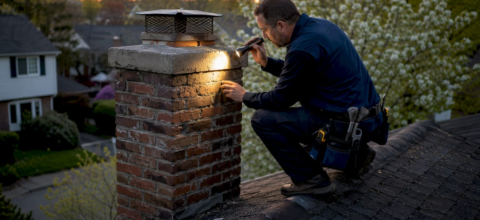
The most immediate reason to keep your chimney flue clean is fire prevention. When wood burns, it releases gases, vapors, and particles that travel up the flue. As those materials cool against the flue walls, they condense into a substance called creosote. At low levels, creosote is powdery and relatively easy to brush away. But left unchecked, it hardens into a tar-like coating that is extremely flammable and notoriously difficult to remove.

Creosote buildup risk increases when air supply to the fire is restricted, when you burn unseasoned wood, or when flue temperatures run cooler than normal. All three of those conditions are common in everyday home use, especially during long winter nights when people bank fires low to keep the heat going slowly. That’s exactly the scenario that makes flue cleaning non-negotiable.
Beyond fire risk, a dirty or blocked flue creates real health concerns. A partially obstructed chimney forces combustion gases, including carbon monoxide, back into your living space. Carbon monoxide is odorless and colorless, which is why it’s especially dangerous. Homeowners sometimes blame a headache or general fatigue on other causes while a poorly functioning flue is the actual culprit.
There are also financial reasons to stay on top of this maintenance. The benefits of professional chimney cleaning go beyond safety alone. Regular cleaning lets a certified sweep catch small problems early, like cracked flue tiles or loose mortar, before they turn into expensive structural repairs. Homeowners in our service area often discover that a simple annual cleaning saves them from a repair bill that can run into the thousands.
Here’s a quick summary of what’s at stake:
- Fire risk from creosote ignition, which burns at extremely high temperatures and can damage the entire flue liner
- Carbon monoxide exposure from blocked or poorly drafting chimneys
- Reduced heating efficiency when obstructions and buildup force your fireplace to work harder
- Accelerated structural damage to the liner, damper, and firebox when residue is left in place for multiple seasons
“A chimney that looks clean from the firebox opening can still have dangerous levels of creosote deeper in the flue. Visual checks from below are not a substitute for a professional inspection.”
Pro Tip: Even if you only use your fireplace a handful of times each winter, it’s worth having the flue inspected annually. Birds, squirrels, and other animals can build nests in an unused chimney within a single season, creating a serious obstruction.
The chimney cleaning benefits for NY, NJ and CT homes are especially relevant in our region, where winters are long and wood-burning fireplaces see consistent, heavy use from October through March.
How often should you clean your chimney flue?
Understanding why cleaning is necessary sets the stage for a deeper question: how often should you actually schedule a flue cleaning?
The most widely accepted standard comes from two industry authorities. CSIA recommends annual inspection by a certified chimney sweep, with cleaning performed whenever significant creosote is present. Separately, NFPA 211 standards specify additional cleaning after events like chimney fires, changes in appliance use, or home sales. What both frameworks share is a core idea: cleaning frequency should follow evidence, not just the calendar.
Here’s a straightforward comparison to help you think about your situation:
| Situation | Recommended action |
|---|---|
| Fireplace used 1-3 times per week all winter | Annual inspection, cleaning likely needed |
| Fireplace used occasionally (less than 10 times/year) | Annual inspection, cleaning may not be urgent |
| Fireplace used daily for extended periods | Mid-season inspection plus end-of-season cleaning |
| After any chimney fire (even a small one) | Immediate inspection and full cleaning |
| Before a home sale or purchase | Full Level 2 inspection required by NFPA 211 |
| After switching fuel types or appliances | Inspection and cleaning before first use |
The recommended chimney sweeping frequency depends on your specific use patterns more than anything else. A fireplace burning seasoned hardwood three evenings a week will accumulate creosote at a very different rate than one burning softwood daily.
Follow these steps to build a practical schedule:
- Start with an annual inspection. Every home with an active fireplace should have a certified sweep evaluate the flue at least once per year, typically in late summer or early fall before heating season begins.
- Let the inspection determine cleaning. If the sweep finds more than 1/8 inch of creosote or any glaze-type (Stage 3) buildup, cleaning is mandatory before you use the fireplace again.
- Add mid-season checks for heavy users. If your household burns wood five or more evenings a week during winter, a mid-season inspection in January is a smart precaution.
- Schedule immediately after any event that changes the flue. Chimney fires, storms that could deposit debris, or any structural work near the chimney all warrant prompt professional evaluation.
Key factors that affect chimney flue cleaning frequency
With the standard timeline in mind, let’s identify the factors that could change how often your flue really needs service.
Type and seasoning of wood
This is one of the most significant variables. Seasoned hardwood, meaning wood that has been split and dried for at least 12 months, burns hotter and cleaner than freshly cut or “green” wood. Green wood contains a high moisture content, and that moisture produces more smoke and accelerates creosote formation. Burning practices that reduce flue temperature or restrict air supply increase creosote formation dramatically, and wet wood does both.
Softwoods like pine and spruce are convenient and widely available in the Northeast, but they contain more resin than hardwoods. That resin contributes to faster creosote buildup. If your household burns a lot of softwood, you should expect to clean more frequently, possibly twice per season.
Frequency and intensity of use
A fireplace that runs every evening from November through March accumulates far more residue than one used on weekends only. Heavy, sustained use also places more thermal stress on the flue liner, which means inspections catch potential cracks and damage sooner. More burning equals more residue, and more residue equals more frequent cleaning. It’s a straightforward relationship that homeowners sometimes underestimate.

Flue temperature and air supply
This one surprises many people. A fire that burns at a lower temperature, because the damper is partially closed or the fuel load is small, actually deposits more creosote than a hot, well-ventilated fire. Many homeowners partially close the damper to extend burn time and reduce fuel costs. That’s understandable, but it creates exactly the conditions that accelerate buildup.
Recent home changes or events
Here’s a reference table for situations that should trigger an unscheduled inspection:
| Event | Why it matters |
|---|---|
| Chimney fire (any size) | May have cracked or damaged the liner |
| Heavy storm or flooding | Debris, water intrusion, or displaced cap |
| Home purchase | Prior maintenance history is often unknown |
| New wood stove or insert installed | Different heat output can affect creosote rates |
| Extended period without use | Animal nests, debris accumulation are likely |
Pro Tip: If you’re buying a home with a wood-burning fireplace in New York, New Jersey, or Connecticut, always request a dedicated chimney flue inspection and cleaning as a condition of your purchase agreement. The previous owners’ burning habits are unknown to you, and a standard home inspection rarely catches Stage 2 or Stage 3 creosote.
Signs your chimney flue needs immediate cleaning
Beyond routine schedules, certain warning signs demand faster action. Here’s what you should watch for between scheduled inspections.
If draft is restricted or creosote and debris are visible, cleaning should not be delayed. Waiting until your annual appointment in those cases puts your household at real risk.
Watch for these specific red flags:
- Smoke entering the room when the fireplace is in use, which indicates a draft problem or obstruction
- Visible black, oily residue inside the firebox or on the damper plate, suggesting heavy creosote accumulation
- A strong, acrid smell coming from the fireplace even when it’s not in use, particularly in warm or humid weather
- Reduced fire performance, where fires are difficult to start or flames burn poorly despite dry wood and adequate kindling
- Sounds from inside the chimney, including scratching or rustling, which can indicate an animal nest blocking airflow
- White staining on the exterior of the chimney, called efflorescence, which can indicate water penetration and compromised mortar
Any one of these signs is a legitimate reason to call a certified sweep before your next scheduled appointment. There’s no value in waiting when a warning sign is already present.
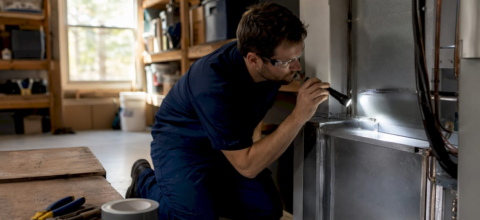
Pro Tip: Before your first fire of the season, hold a flashlight up into the firebox and look at the damper and the lower portion of the flue. If you can see any shiny black coating or chunky dark deposits, treat that as a signal to book a cleaning before you light that first fire.
The reasons to sweep your chimney before heating season are well-established, but don’t overlook the mid-season and post-event inspections that the warning signs above are calling for.
A smarter approach to chimney flue cleaning: What most schedules miss
Most guides tell you to clean your chimney once a year and leave it at that. We’d push back on that advice, because experience tells a different story.
A rigid annual schedule creates a false sense of security. We’ve seen homes in our service area where the fireplace was used heavily through a cold winter, burning primarily softwood, with the damper partially closed to reduce drafts. By February of that season, the flue had accumulated well beyond a safe creosote level. But because the homeowner had cleaned in September, they assumed they were covered for the whole season. They weren’t.
The smarter approach is what you might call inspection-led maintenance. Cleaning based on inspection and creosote level is genuinely safer than relying strictly on annual timing. An annual inspection is a fixed minimum, but it should function as a baseline check, not a guarantee that nothing more is needed.
We also see the opposite problem. Some homeowners with very light fireplace use, perhaps three or four small fires per winter, schedule annual cleanings out of habit when their flue genuinely doesn’t need that level of service. A professional inspection can confirm when a flue is clean and the liner is intact, potentially saving them money on unnecessary cleanings.
The real value of working with experienced, certified professionals is that they read what’s actually in your flue and make a recommendation based on evidence. There’s no conflict of interest in telling a homeowner their flue is clean and doesn’t need service. Trustworthy sweeps do it all the time.
Flexible, tailored chimney sweeping schedules are simply more effective than one-size-fits-all calendars. The homeowners who avoid costly chimney fires and repairs are almost always the ones who treat their chimney as a living part of their home, not a set-it-and-forget-it appliance.
Professional chimney flue cleaning: Simplifying safety for your home
If this guide has clarified one thing, it’s that chimney flue maintenance is more nuanced than a simple annual reminder. Getting it right means working with professionals who know what to look for.

At Amazon Air Duct Cleaning, our team of certified, experienced sweeps serves homeowners and property managers across New York, New Jersey, and Connecticut. We provide thorough inspections, professional cleanings, and honest recommendations based on what your flue actually needs, not a predetermined service package. Our local chimney cleaning experts bring over 10 years of field experience to every appointment, so you get an accurate picture of your chimney’s condition and a clear plan for keeping it safe. Whether you need a routine pre-season inspection or a more urgent evaluation, you can explore our chimney sweep service in NY and NJ and book directly online. Have questions about how often your specific setup requires service? Our chimney sweep frequency recommendations page is a good place to start before you call.
Frequently asked questions
Is annual chimney flue cleaning always enough?
Not always. Annual inspection is standard, but cleaning depends on how much creosote has accumulated and how frequently you use the fireplace. Heavy users or those burning low-quality wood may need cleaning more than once per season.
What events might require extra chimney flue cleaning?
Events like chimney fires, home purchases, or changes in fuel type or appliance use call for additional inspections and possible cleanings outside your regular schedule. NFPA 211 levels specify extra cleaning requirements after these types of situations.
How can I tell if my flue needs cleaning before my annual checkup?
Look for visible soot or dark oily residue, poor draft, smoke backing into the room, odd smells, or sounds that suggest an animal obstruction. If draft is restricted or buildup is visible, schedule a cleaning promptly rather than waiting.
Does the type of wood I burn impact creosote and cleaning needs?
Yes, significantly. Unseasoned wood and improper burning create more creosote than seasoned hardwood burned in a well-ventilated fire. Softwoods and green wood may require you to clean your flue more frequently during the same heating season.
Recommended
- Why clean commercial chimneys? Safety, compliance, savings – Amazon Air Duct Cleaning
- Top 7 benefits of chimney cleaning for NY, NJ & CT homes – Amazon Air Duct Cleaning
- 3 Reasons to Sweep your Chimney – Amazon Air Duct Cleaning
- Chimney Cleaning & HVAC Cleaning – Amazon Air Duct Cleaning