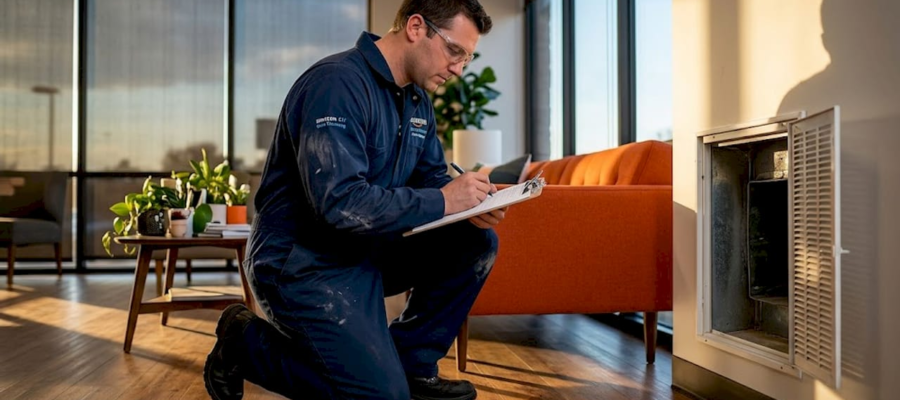
Step-by-Step HVAC Cleaning for Businesses in 2026
TL;DR:
- Neglected HVAC systems in commercial facilities lead to higher energy costs, poor air quality, and safety violations. Following a structured cleaning process and scheduled maintenance ensures system efficiency, compliance, and reduced expensive repairs. Professional assistance is recommended for deep duct and coil work, while regular filter and register cleaning can often be done in-house to maintain optimal performance.
A neglected HVAC system is one of the most expensive mistakes a commercial property can make. Poor maintenance quietly drives up energy bills, degrades air quality, and puts your facility out of compliance with health and safety codes. Following a structured step by step hvac cleaning for businesses process gives you control over all three of those outcomes. Nearly 50% of HVAC failures trace back to insufficient maintenance, and every one of those failures carries a real dollar cost. This guide walks you through the full process, from preparation to post-cleaning verification, in a format you can actually use.
Table of Contents
- Key Takeaways
- Step by step HVAC cleaning for businesses: getting prepared
- Cleaning your commercial HVAC system step by step
- Post-cleaning verification and troubleshooting
- Maintenance planning and compliance
- My take on what actually moves the needle
- How Amazonairpro supports commercial HVAC cleaning
- FAQ
Key Takeaways
| Point | Details |
|---|---|
| Prepare before you clean | Gather the right tools, inspect the system, and review safety protocols before touching any components. |
| Follow a structured cleaning sequence | Work from filters and registers through ductwork to coils, in that order, to avoid recontaminating cleaned areas. |
| Verify performance after cleaning | Test airflow and temperature balance after every cleaning to confirm the system is working correctly. |
| Schedule preventive maintenance | Quarterly inspections and an annual overhaul are the minimum standard for commercial HVAC systems. |
| Know when to call professionals | Deep duct cleaning and coil work often require certified technicians with specialized equipment. |
Step by step HVAC cleaning for businesses: getting prepared
Before any cleaning begins, preparation determines how safe and effective the process will be. Skipping this phase is how facilities end up with incomplete cleanings, damaged components, or technicians working without adequate protection.
Tools and materials checklist
You will need the following on hand before starting:
- High-powered HEPA vacuum with flexible hose attachments
- Stiff-bristle duct brushes in multiple diameters
- Replacement air filters (the correct MERV rating for your system)
- Coil cleaner solution and a low-pressure spray applicator
- Screwdrivers, duct access tools, and a flashlight or inspection camera
- Personal protective equipment (PPE): N95 respirators, safety goggles, and nitrile gloves
- Drop cloths to protect flooring near registers and vents
Initial system inspection
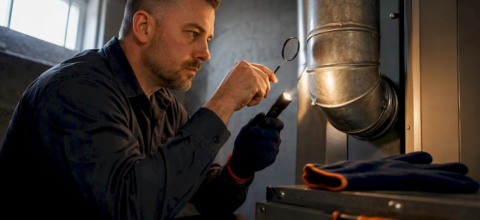
Walk the full system before cleaning. Check supply and return registers for visible debris buildup, and inspect accessible ductwork for signs of moisture, mold, or pest intrusion. Look at the air handler unit for dust accumulation on the blower wheel and evaporator coil. Document anything unusual with photos. This inspection tells you how intensive the cleaning will need to be and whether any issues require a licensed technician before work begins.
Some cleaning tasks in complex commercial systems genuinely require EPA-certified professionals. If your inspection reveals mold growth, damaged insulation inside ducts, or refrigerant-related concerns, stop and call a certified HVAC contractor before proceeding.
Scheduling and safety
For occupied commercial spaces, schedule cleaning during off-hours or on weekends to minimize disruption. Industry standards recommend quarterly inspections as a minimum for commercial properties, with a comprehensive annual overhaul. For buildings with high occupant density, such as restaurants, medical offices, or manufacturing facilities, more frequent cleaning may be warranted.
Pro Tip: Turn off the HVAC system and lock out the power supply at the breaker before starting any hands-on cleaning. A tagged lockout is not optional in commercial settings.
Cleaning your commercial HVAC system step by step
This is the core of your stepwise HVAC cleaning process. Follow these steps in sequence. Jumping between them or skipping steps is how cleaned areas get recontaminated.
-
Shut down the system. Power off the entire HVAC unit and lock out the breaker. Confirm the system is not running before touching any component.
-
Remove and replace air filters. Pull out all air filters and discard them. Do not attempt to vacuum and reuse heavily soiled filters. Filters in commercial spaces should be inspected monthly and replaced on a schedule between one and three months depending on facility type and occupancy.
-
Clean supply and return registers and grilles. Unscrew each register or grille cover and wash it with warm soapy water. Let them dry completely before reinstalling. Wipe down the surrounding wall or ceiling surface with a damp cloth to remove any settled dust.
-
Vacuum duct openings and accessible sections. Use your HEPA vacuum with a flexible attachment to pull debris from supply and return duct openings. Effective duct cleaning requires accessing both supply and return sides, including cleaning through elbows and bends using specialized agitation equipment. For deep sections, insert duct brushes to loosen buildup before vacuuming.
-
Apply negative pressure for full duct cleaning. For thorough cleaning beyond accessible sections, a high-powered vacuum creating negative pressure inside the duct system is the accepted standard. Negative pressure and agitation together dislodge and extract debris that surface vacuuming alone cannot reach.
-
Clean the evaporator and condenser coils. Apply coil cleaner to the evaporator coil inside the air handler and let it sit according to the product instructions. Rinse gently with low-pressure water. Dirty coils directly reduce airflow and contribute to compressor failures, which are among the most expensive HVAC repairs a business can face.
-
Clean the blower wheel and air handler cabinet. Use brushes and a vacuum to clear dust and debris from the blower wheel, fan blades, and the interior of the air handler cabinet. This area often gets ignored but holds a significant amount of accumulated debris.
-
Clear outdoor unit and condenser. Remove leaves, dirt, and any obstructions from around the outdoor condenser unit. Maintain at least two feet of clearance around the unit to support proper airflow. Rinse condenser fins from the inside out with a garden hose at low pressure.
-
Reinstall components and restore power. Reinstall all cleaned registers, grilles, and access panels. Install the new filters. Remove the lockout tag and restore power to the system.
-
Run the system and observe for 15 minutes. Listen for unusual sounds, check for unusual odors, and confirm airflow from each register.
Pro Tip: Label duct access panels with the cleaning date using a waterproof marker. This simple habit makes your next inspection faster and creates a basic maintenance record without extra paperwork.
Post-cleaning verification and troubleshooting

Cleaning the system is only part of the job. Verifying that the system actually performs better afterward is what separates a thorough process from one that looks complete but leaves problems behind.

Airflow and temperature testing
After the system has run for 15 to 30 minutes, use a digital thermometer to check supply air temperature at multiple registers. Temperature differentials across zones should be within a few degrees of each other. Large discrepancies may indicate a blockage that was not fully cleared or a damper issue unrelated to cleanliness.
Use an anemometer or airflow hood to measure airflow at supply registers if you have access to one. Significant improvement in airflow compared to pre-cleaning measurements is a reliable sign the cleaning was effective. Weak airflow after cleaning often points to collapsed ductwork, a dirty coil that needs professional attention, or a blower motor issue.
Post-cleaning inspection checklist
Walk through each of these after the system has run:
- All register covers are reinstalled securely and grilles are seated flat against walls or ceilings
- No debris is visible at duct openings when viewed with a flashlight
- New filters are seated properly with no air gaps around the frame
- The air handler cabinet is closed and all access panels are latched
- Outdoor unit is clear of debris and the condenser fins are undamaged
- No unusual noises or vibrations from the blower or air handler
When to escalate
If airflow remains weak, odors persist after 24 hours, or you find moisture inside any ductwork during inspection, contact a licensed HVAC technician before resuming normal operations. Some issues, including microbial contamination and refrigerant imbalances, require professional diagnosis and are not resolved by cleaning alone.
Pro Tip: Take photos before and after cleaning the coils and ductwork. Side-by-side images are useful documentation for compliance records and help justify maintenance costs to building owners or management.
Maintenance planning and compliance
A one-time cleaning does not protect your facility long-term. The real benefit of learning effective HVAC cleaning methods comes from turning them into a repeatable schedule.
Preventive maintenance consistently reduces emergency repairs, extends equipment life, and protects operational continuity. Compare the two approaches:
| Approach | Typical outcome |
|---|---|
| Reactive maintenance | Higher repair costs, unplanned downtime, shorter equipment lifespan |
| Preventive maintenance | Predictable costs, fewer breakdowns, 20-40% longer equipment lifespan |
For most commercial facilities, the minimum recommended schedule looks like this:
- Monthly: Inspect air filters; replace if soiled or damaged
- Quarterly: Clean registers and grilles; inspect coils and drain pan; check outdoor unit clearance; review system performance logs
- Annually: Full duct cleaning; coil deep cleaning; blower inspection; belt checks; refrigerant pressure and combustion analysis
Businesses that integrate these tasks into a computerized maintenance management system can reduce unplanned downtime by 12 to 18% and extend equipment lifespan by 20 to 40%. Even a basic spreadsheet tracking service dates and filter replacements is a meaningful step up from doing nothing.
From a compliance standpoint, HVAC systems account for up to 35% of a commercial building’s carbon emissions. Many jurisdictions in New York, New Jersey, and Connecticut have building performance standards that include HVAC efficiency requirements. Staying on a documented cleaning schedule protects you during inspections and supports your facility’s sustainability goals.
For a practical look at how cleaning frequency maps to different business types, Amazonairpro’s vent cleaning guide for businesses covers NY, NJ, and CT-specific recommendations worth reviewing alongside your plan.
My take on what actually moves the needle
I have seen a lot of facility managers go through the motions of HVAC maintenance without ever getting consistent results. The problem is usually not effort. It is the absence of a structured, repeatable process.
What I have learned is that the businesses with the fewest HVAC headaches are not necessarily the ones spending the most money on service contracts. They are the ones that follow a written checklist every single time and do not skip the verification step. That post-cleaning airflow check takes 20 minutes and it catches problems that would otherwise turn into expensive repairs two months later.
The other thing worth sitting with for a moment: most facility managers I have talked to underestimate how quickly coils and blower wheels accumulate debris in commercial settings. A restaurant kitchen or a medical waiting room puts a completely different load on an HVAC system than an office floor does. Cleaning schedules should reflect actual usage, not a generic calendar.
My honest recommendation is to handle filter changes and register cleaning in-house on a regular schedule, and bring in certified professionals for coil cleaning and duct work at least once a year. That combination of proactive cleaning practices and targeted professional service gives you the best outcome at a reasonable cost. Trying to do everything yourself or, on the other end, outsourcing every small task is both a way to either miss things or overspend.
— Victor
How Amazonairpro supports commercial HVAC cleaning
If your facility needs professional support beyond what your in-house team can handle, Amazonairpro has been serving commercial clients across New York, New Jersey, and Connecticut for over 10 years.

Amazonairpro’s commercial team handles full air duct and HVAC cleaning for businesses of all sizes, using high-powered equipment and documented processes that meet local building codes. For facilities that need dedicated commercial service, the commercial air duct cleaning program is tailored to larger systems, higher-frequency cleaning needs, and compliance documentation. The team is courteous, highly skilled, and transparent about what your system actually needs rather than what generates the largest invoice. Reach out to schedule a consultation or book a cleaning visit.
FAQ
How often should commercial HVAC systems be cleaned?
Quarterly inspections with basic cleaning are the minimum standard for commercial properties, plus a comprehensive annual overhaul covering ducts, coils, and mechanical components.
What tools are needed for HVAC system cleaning?
You will need a HEPA vacuum with flexible attachments, duct brushes, coil cleaner, replacement filters, PPE including N95 respirators and goggles, and a flashlight or inspection camera for accessing duct interiors.
Can I clean commercial HVAC ducts without professional help?
You can handle accessible cleaning tasks such as filter replacement, register cleaning, and surface vacuuming of duct openings yourself. Deep duct cleaning and coil work typically require certified technician expertise and specialized equipment to be done safely and effectively.
What are the signs that a commercial HVAC system needs cleaning?
Weak or uneven airflow, persistent odors after filter changes, visible dust buildup at registers, or a noticeable spike in energy bills are all reliable indicators that the system needs attention.
How does regular HVAC cleaning affect energy costs?
Regular tune-ups and cleaning can improve system efficiency by 5% to 15%, which translates directly to lower monthly energy bills in most commercial facilities.
Recommended
- Smart ways to reduce HVAC costs in 2026 and beyond – Amazon Air Duct Cleaning
- HVAC Maintenance Guide: Boost Air Quality & Efficiency – Amazon Air Duct Cleaning
- Step-by-step guide to improving business air quality – Amazon Air Duct Cleaning
- Why Duct Cleaning Is Important for Business Success