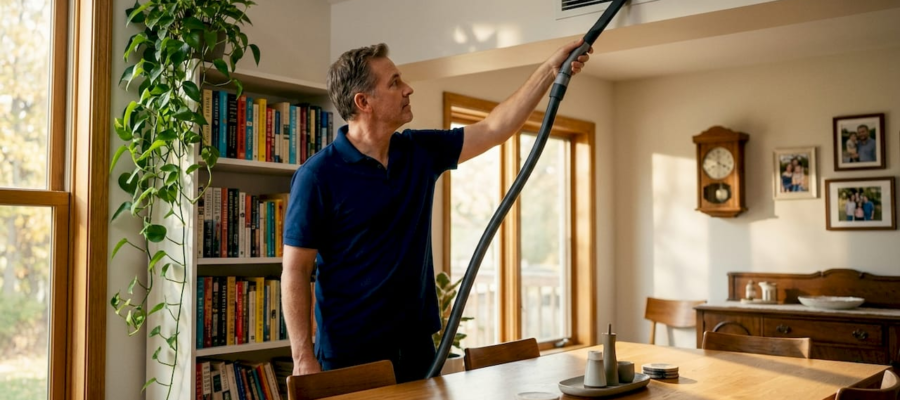
How to Reduce Dust After Duct Cleaning at Home
TL;DR:
- Dust persists after duct cleaning mainly due to filter bypass, contamination, and surface dust re-settling.
- Immediate steps like thorough cleaning, running the HVAC, and prompt filter replacement are essential for dust reduction.
You just had your ducts professionally cleaned, and now there’s a fine layer of dust settling on your furniture. It’s a frustrating but common experience. Knowing how to reduce dust after duct cleaning is not complicated, but it does require the right sequence of steps, the right materials, and a commitment to ongoing maintenance. This guide covers the real reasons dust persists post-cleaning, what you should do immediately after the service, and the long-term habits that keep your home in NY, NJ, or CT noticeably cleaner.
Table of Contents
- Key takeaways
- Why dust still appears after duct cleaning
- What you need before starting
- Step-by-step guide to reduce dust after duct cleaning
- Long-term habits for lasting dust control
- My honest take on what actually works
- Ready for a cleaner home? Here’s how we can help
- FAQ
Key takeaways
| Point | Details |
|---|---|
| Filter bypass is the hidden culprit | Air leaking around a poorly fitted filter undermines all filtration and causes rapid dust return. |
| Run HVAC after cleaning | Let your system run 20 to 30 minutes with a fresh filter to capture residual loose debris. |
| HEPA vacuums are non-negotiable | Standard vacuums stir up more dust than they collect; always use HEPA-rated equipment. |
| Humidity control matters | Keeping indoor humidity between 35% and 50% suppresses dust mite activity and airborne particles. |
| Maintenance beats repeated cleanings | Regular filter changes and annual inspections do more for long-term dust control than any single cleaning. |
Why dust still appears after duct cleaning
Getting a professional duct cleaning done and then watching dust settle on your shelves the next morning feels like something went wrong. Sometimes it did. But often, the dust you see is coming from sources the cleaning itself could not fully address.
Here are the most common reasons dust persists or returns quickly after a professional service:
- Filter bypass. This is the most overlooked cause. Air leaking around filter edges bypasses filtration entirely, letting unfiltered air recirculate throughout your home regardless of how clean your ducts are.
- Incomplete containment during cleaning. Professional duct cleaning should use vacuum collection that exhausts outdoors or uses HEPA filtration. Inadequate vacuum systems can actually release more dust into your living spaces than leaving ducts alone.
- Settled surface dust. Your duct cleaning removes debris from inside the system. It does not wipe down your furniture, baseboards, or return grilles. That surface dust gets stirred up by the HVAC airflow right after cleaning.
- Moisture inside ducts. Moisture creates the sticky conditions where dust and biological matter cling to duct walls and accumulate faster over time.
- Missing or improperly seated filters. A filter that is not flush against its housing leaves gaps where unfiltered air passes through freely.
Understanding these causes tells you exactly where to focus your energy. The EPA’s contamination prevention guidance makes clear that post-cleaning dust issues are more often a filtration and containment problem than a cleaning quality problem. That framing changes how you approach the solution.
Pro Tip: After any duct cleaning service, hold a white tissue near each return vent when the system starts. If it draws the tissue flush against the grille evenly, airflow is normal. Uneven draw or visible gaps around the filter frame are a sign of bypass you need to address right away.
What you need before starting
Preventing dust post duct cleaning requires more than good intentions. You need the right tools. Showing up with the wrong equipment is how people end up spreading dust further rather than capturing it.
| Material | Purpose |
|---|---|
| HEPA vacuum with attachments | Captures fine particles without releasing them back into the air |
| Microfiber cloths (dampened) | Lifts surface dust from grilles, furniture, and baseboards without scattering it |
| Warm water and dish soap | For scrubbing grilles and vent covers thoroughly |
| Stiff-bristled cleaning brush | Loosens caked debris from grille slats before vacuuming |
| Hygrometer | Measures indoor humidity to keep it in the 35% to 50% target range |
| High-efficiency HVAC filters | Replaces existing filters after your initial HVAC run post-cleaning |
| Flashlight | Lets you inspect filter edges and duct openings for gaps or debris |
Before you touch anything, turn your HVAC system off completely. This stops airflow from distributing loosened particles throughout the house while you work. It is a simple step, but skipping it means everything you dislodge gets pushed into other rooms.

You also want to check your filter before you do anything else. A filter that does not fit flush against its housing is a problem you need to fix immediately. Using the highest efficiency filter your HVAC manufacturer recommends and verifying that it seals properly against the frame is one of the most impactful steps you can take. For more on preventing duct contamination after a professional service, Amazonairpro has a detailed breakdown worth reading.

Step-by-step guide to reduce dust after duct cleaning
These steps follow a specific sequence for a reason. Doing them out of order reduces how effective each step is. Follow this process to get the best results from your professional cleaning.
-
Turn off your HVAC system completely. Do not skip this. Any airflow while you are cleaning grilles or vacuuming near vents will carry loosened dust to other parts of the house.
-
Remove all supply and return grilles. Unscrew each one carefully. Set them aside on a drop cloth or in a utility sink.
-
Scrub the grilles with warm water and dish soap. Use your stiff brush to work between the slats. Scrubbing grilles thoroughly before reinstalling them removes the surface layer that would otherwise get blown back into your rooms on the first HVAC cycle.
-
Vacuum inside duct openings with your HEPA vacuum. Reach in as far as your attachment allows. HEPA-capable vacuums are the standard for this step because regular vacuums can push fine particles airborne. Work slowly to avoid stirring debris.
-
Wipe all accessible duct opening edges with a damp microfiber cloth. Do not use a dry cloth here. A damp microfiber lifts and holds particles rather than scattering them. Pairing HEPA vacuuming with damp surface capture prevents recontamination.
-
Reinstall dry, clean grilles and insert a fresh high-efficiency filter. Confirm the filter sits flush with no visible gaps around the edges.
-
Run your HVAC system for 20 to 30 minutes. This is the step most homeowners skip, and it makes a real difference. Running HVAC after cleaning draws any residual loose dust through the system and traps it in your filter.
-
Replace the filter immediately after that run. The filter you just ran is now loaded with whatever the cleaning and your vacuuming stirred loose. Swap it out for a fresh one so those particles stay contained and do not get pushed back through the system.
-
Vacuum all floors, baseboards, and horizontal surfaces in every room. Work top to bottom so falling dust lands on surfaces you have not yet cleaned.
Pro Tip: Dust your ceiling fan blades and light fixtures before vacuuming floors. Ceiling fans are notorious for holding large deposits of dust that drop during the first run cycle after a cleaning.
Long-term habits for lasting dust control
The steps above handle the immediate aftermath. But the best practices for dust reduction over the long term come down to consistency. One cleaning, no matter how thorough, will not keep your home dust-free if the underlying habits are not in place.
- Change filters on a set schedule. Annual preventive maintenance including regular filter changes is one of the EPA’s top recommendations for minimizing duct contamination over time. For homes with pets or allergy sufferers, monthly filter checks are worth the few minutes they take.
- Verify filter fit every time you replace it. Press lightly on all four edges after installing a new filter. Any flex or gap means air is bypassing it. A filter that fits perfectly but has the wrong MERV rating for your system is almost as problematic as one with gaps.
- Keep indoor humidity between 35% and 50%. Controlling humidity in this range suppresses dust mite populations and reduces the airborne particle load your HVAC system has to manage. A basic digital hygrometer costs under $20 and tells you exactly where your home stands.
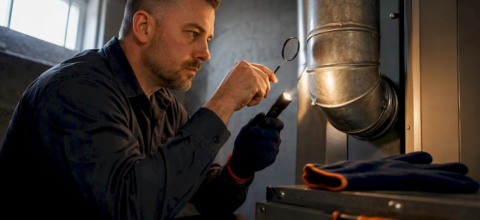
- Schedule annual HVAC inspections. A technician can catch duct leaks, deteriorating seals, and moisture problems before they turn into persistent dust problems. This is the maintenance program the EPA recommends for sustained results.
- Vacuum with HEPA filtration weekly. The HEPA filtration standard matters here too. Standard vacuum bags and filters release fine particles back into the air. If your vacuum is more than five years old, check whether it meets current HEPA specs.
- Wash bedding and curtains every one to two weeks. Fabric holds an enormous amount of particulate matter. Washing regularly removes that reservoir before it gets redistributed by your HVAC.
- Reduce clutter on open surfaces. More flat surfaces mean more places for dust to settle and accumulate between cleanings. It is a simple tradeoff worth paying attention to.
Pro Tip: For renters in New York, New Jersey, or Connecticut who cannot modify the HVAC system directly, focus on what you can control: portable HEPA air purifiers in bedrooms, frequent washing of soft furnishings, and asking your landlord in writing to confirm filter replacement dates. Document the request and keep a copy.
For more guidance on eliminating dust mites that often drive persistent dust problems in ventilation systems, Amazonairpro has a resource that goes deeper on humidity control and allergen management specifically.
My honest take on what actually works
I’ve seen homeowners go through professional duct cleanings two or three times in a single year because they assumed the recurring dust meant the cleaning was not thorough enough. In most of those cases, the real problem was a filter that was not seated correctly. The regular filter replacement advice sounds almost too basic to take seriously, but filter bypass is the single most common hidden cause I’ve encountered for dust returning quickly after a cleaning.
What I’ve learned is that homeowner diligence in the weeks following a cleaning matters more than the cleaning itself. Running the HVAC for that 20 to 30 minute window after you’ve cleaned the grilles, then swapping the filter immediately afterward, is a step that costs almost nothing and makes a genuinely measurable difference. I’ve talked to dozens of homeowners who noticed significantly less dust on their furniture within 48 hours of following this sequence correctly.
The other thing I want to say plainly: strategies to reduce dust in your home work best when you treat them as ongoing practice. Dust is a permanent feature of any occupied space. The goal is not to eliminate it entirely. The goal is to manage it well enough that your air quality stays comfortable and your system runs efficiently. One cleaning plus consistent maintenance gets you there. Repeated cleanings without maintenance does not.
— Victor
Ready for a cleaner home? Here’s how we can help

If you’ve gone through the steps above and dust keeps coming back, or if it has been more than a few years since your last professional service, it may be time to bring in a team that does this work correctly from the start. Amazonairpro provides professional air duct cleaning for residential and commercial clients across New York, New Jersey, and Connecticut. The team has over 10 years of experience and uses equipment that meets the containment standards that prevent the dust recirculation problems described throughout this article.
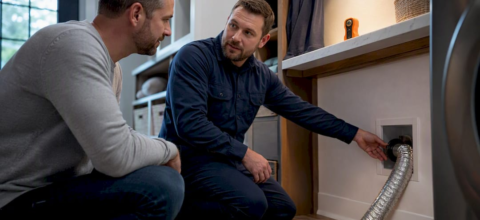
Beyond duct cleaning, Amazonairpro also handles dryer vent cleaning and chimney cleaning, two services that directly affect overall indoor air quality and are easy to overlook after a duct cleaning appointment. If you are not sure whether your ducts are due for service, review the signs your ducts need cleaning to get a clearer picture before scheduling.
FAQ
Why is there more dust after duct cleaning?
Some dust after duct cleaning is normal. Disturbing debris inside ducts and around grilles temporarily increases airborne particles. Following the HVAC run and filter replacement steps described above typically resolves visible dust within 24 to 48 hours.
How long does dust last after duct cleaning?
If you follow the correct post-cleaning sequence, including running your HVAC for 20 to 30 minutes and replacing the filter immediately after, most of the dust settles or gets captured within one to two days. Persistent dust beyond that usually points to a filter bypass or sealing issue.
How often should I change filters to keep dust down after duct work?
The EPA recommends using the highest efficiency filter your HVAC manufacturer supports and changing it regularly, typically every 60 to 90 days for standard households and monthly for homes with pets or allergy sufferers.
Does humidity affect how much dust builds up after cleaning?
Yes. Keeping indoor humidity between 35% and 50% reduces dust mite populations and lowers the overall particle load in your air. A hygrometer lets you monitor this in real time and adjust with a humidifier or dehumidifier as needed.
Can renters do anything to reduce dust after duct cleaning?
Renters can use portable HEPA air purifiers, wash soft furnishings frequently, and request documented filter replacement from their landlord. These steps reduce dust accumulation meaningfully even when access to the HVAC system is limited.
Recommended
- How to Prepare for Air Duct Cleaning – Amazon Air Duct Cleaning
- Understanding Dust in Ducts: Improve Your Home’s Air Quality – Amazon Air Duct Cleaning
- Air Duct Cleaning After Renovation | Breathe Cleaner Air
- Complete duct cleaning checklist: boost air quality 41% – Amazon Air Duct Cleaning