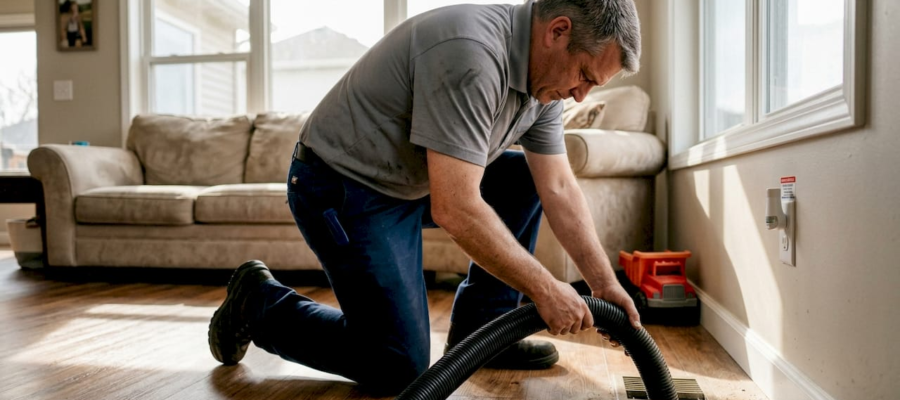
Complete duct cleaning checklist: boost air quality 41%
Dusty vents, stale odors, and rising energy bills often signal dirty ductwork compromising your home’s air quality and HVAC performance. In the tri-state area’s humid, polluted environment, contaminated ducts reduce system efficiency by up to 21% and worsen allergy symptoms for countless residents. This comprehensive checklist guides New York, New Jersey, and Connecticut homeowners and property managers through professional duct cleaning preparation, execution, and verification to achieve measurably cleaner air and lower energy costs.
Table of Contents
- Key takeaways
- Understanding why and when to clean your ducts
- Preparing for duct cleaning: what to check and have ready
- Step-by-step duct cleaning checklist and expected procedures
- Verifying results and post-cleaning care for lasting benefits
- Trust professional duct cleaning services for your tri-state home or building
- Frequently asked questions about duct cleaning
Key Takeaways
| Point | Details |
|---|---|
| Cleaning interval guidelines | Schedule professional duct cleaning every 3 to 5 years for typical homes, and sooner if you have pets or after renovations. |
| Pre cleaning preparation | Before cleaning, inspect accessible ducts, document damage with photos, and clear access and obstructions to ensure thorough work. |
| Verify results with tests | Measure baseline airflow and compare it to post cleaning results using an anemometer or smartphone app, and capture photos to confirm improvements. |
| Mold and pest caution | Avoid DIY remediation for mold or pest contamination and rely on professionals to handle inspection and moisture control. |
| Off peak scheduling | Schedule duct cleaning in spring or fall when HVAC demand is lower to minimize comfort disruption. |
Understanding why and when to clean your ducts
The tri-state area’s unique environmental conditions make duct cleaning particularly critical for maintaining healthy indoor air. Urban pollution from vehicle emissions and industrial activity in New York and New Jersey introduces fine particulates that settle in ductwork over time. Connecticut’s coastal humidity creates ideal conditions for mold growth inside ducts, especially in basements and crawl spaces where moisture accumulates.
Your household activities directly influence how quickly ducts become contaminated. Pet dander circulates continuously through HVAC systems, coating duct interiors and triggering allergic reactions. Smoking indoors deposits tar and nicotine residue throughout ductwork. Recent renovations generate construction dust that overwhelms standard filters and settles deep in trunk lines. Multi-family buildings face added challenges from shared ventilation systems that spread contaminants between units.
Ignoring dirty ducts creates a cascade of problems. Restricted airflow forces your HVAC system to work harder, increasing energy consumption and utility bills. Accumulated debris reduces heating and cooling efficiency, creating temperature imbalances between rooms. Biological contaminants like mold spores and bacteria recirculate with every system cycle, potentially worsening respiratory conditions.
When to schedule professional cleaning:
- Every 3-5 years for typical households in the tri-state region
- Every 2-3 years with pets, especially multiple animals or breeds that shed heavily
- Within 6 months after major renovations or remodeling projects
- Immediately after discovering visible mold growth or pest infestations
- Before moving into a previously occupied home
- After water damage or flooding events
Pro Tip: Schedule duct cleaning during spring or fall when HVAC demand is lower. Technicians can access your system more easily, and you won’t sacrifice heating or cooling comfort during extreme weather.
Homeowners with pets should review the pet owners guide to cleaner indoor air for targeted strategies. Post-construction scenarios require specialized approaches detailed in post renovation air duct cleaning top methods. Property managers overseeing multi-unit buildings benefit from commercial air duct cleaning ny nj protocols designed for shared systems.
Preparing for duct cleaning: what to check and have ready
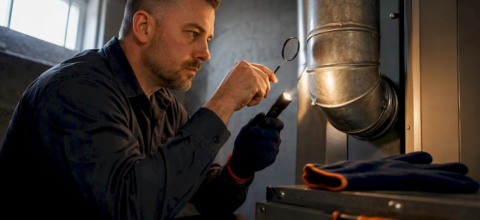
Thorough preparation maximizes cleaning effectiveness and helps you evaluate contractor quality. Start by conducting a preliminary inspection of accessible duct components. Remove vent covers in multiple rooms and use a flashlight to examine visible ductwork. Look for dust accumulation, mold spots appearing as black or green patches, pest droppings, or water stains indicating leaks.

Document your findings with photos and notes. Measure baseline airflow at each register using a simple anemometer or smartphone app. Record these measurements room by room to compare against post-cleaning results. This data provides objective evidence of improvement and holds contractors accountable for thorough work.
Pre-cleaning preparation checklist:
- Clear furniture and obstacles from all vent locations
- Secure pets in a separate area away from work zones
- Remove valuable items from rooms where technicians will work
- Ensure contractors have clear access to your HVAC unit and all ductwork
- Schedule cleaning to coordinate with filter replacement and annual HVAC maintenance
- Verify contractor uses NADCA-certified source removal cleaning methods
| Preparation Task | Timing | Purpose |
|---|---|---|
| Visual duct inspection | 1 week before | Identify problem areas requiring special attention |
| Baseline airflow measurement | 2 days before | Establish performance metrics for comparison |
| Filter replacement | Same day | Maximize system efficiency post-cleaning |
| HVAC tune-up | Within same month | Address mechanical issues affecting performance |
| Moisture source remediation | Before cleaning | Prevent rapid recontamination |
Coordinating duct cleaning with routine HVAC maintenance creates synergistic benefits. Replace filters immediately after cleaning to capture any residual particles. Schedule your annual tune-up within the same service window so technicians can optimize system performance with clean ductwork. This integrated approach extends equipment lifespan and maintains peak efficiency.
Pro Tip: Ask contractors to provide references from recent tri-state area projects. New York, New Jersey, and Connecticut homes face unique challenges from humidity and pollution that require specialized experience. Generic national companies may lack familiarity with local conditions.
Verify your chosen contractor follows professional standards by reviewing how to prepare for duct cleaning ny nj ct. Seasonal timing matters too, as explained in fall air duct cleaning essential prep for heating season. Understanding how proper maintenance extends equipment life is covered in boost your hvac systems lifespan with air duct cleaning.
Step-by-step duct cleaning checklist and expected procedures
Professional duct cleaning following NADCA standards involves systematic treatment of your entire HVAC system. Qualified technicians don’t just vacuum accessible areas. They employ mechanical agitation under negative pressure to dislodge embedded debris from every component, then capture particles with HEPA-filtered vacuums before contaminants reenter your living space.
Complete professional cleaning process:
- Initial system inspection documenting contamination levels with photos and video
- Access point creation at strategic duct locations for equipment insertion
- Negative pressure establishment using powerful truck-mounted or portable HEPA vacuums
- Mechanical agitation of supply and return trunks with rotating brushes and compressed air whips
- Branch line cleaning using flexible tools reaching every duct run
- Coil cleaning removing biological growth and debris from evaporator and condenser surfaces
- Blower component treatment addressing fan blades and housing
- Register and grille cleaning including removal, washing, and reinstallation
- Final inspection with post-cleaning photos documenting visible cleanliness
- Airflow testing confirming improved system performance
| Equipment Type | Purpose | NADCA Requirement |
|---|---|---|
| Truck-mounted vacuum | Creates negative pressure, captures debris | HEPA filtration mandatory |
| Rotating brushes | Mechanically agitates duct surfaces | Various sizes for different duct dimensions |
| Compressed air whips | Dislodges stubborn deposits | Used with negative pressure |
| Inspection cameras | Documents pre/post conditions | Visual verification standard |
| Access tools | Creates entry points | Proper sealing after completion |
The source removal method distinguishes professional cleaning from inadequate approaches. Contact vacuuming alone, where technicians simply insert a hose into registers, fails to remove embedded contamination. Proper agitation physically breaks debris free from duct surfaces while simultaneous negative pressure captures dislodged particles. This two-step process achieves the visibly clean standard NADCA requires.
Portable vacuum systems offer advantages in certain situations. High-rise buildings, historic properties, or homes without truck access benefit from equipment that technicians carry to your HVAC unit. Modern portable units deliver comparable suction power to truck-mounted systems when properly sized for your ductwork volume.
Pro Tip: Request that technicians show you contamination levels in the collection container after cleaning. Seeing the volume of debris removed from your ducts provides tangible proof of cleaning thoroughness and justifies the investment.
Learn about specific tools professionals use in what equipment do you use to clean air ducts. Compare professional versus amateur approaches in diy vs professional air duct cleaning whats really worth it.
Verifying results and post-cleaning care for lasting benefits
Objective verification separates legitimate cleaning from superficial service. Demand concrete evidence that your ducts meet NADCA’s visibly clean standard. Compare before and after photos of the same duct sections. Examine images closely for remaining dust, debris, or biological growth. Reputable contractors eagerly provide this documentation because it demonstrates their work quality.

Airflow measurements offer quantifiable proof of improvement. Retest each register using the same method and locations from your baseline assessment. Properly cleaned ducts typically show 10-46% airflow increases immediately after service. Fan energy consumption drops 41-60% when removing accumulated debris that restricted air movement. These measurable gains translate directly to lower utility bills.
Expected improvements after professional cleaning:
- Increased airflow volume at all registers
- More consistent temperatures between rooms
- Reduced HVAC runtime to reach thermostat settings
- Decreased energy consumption reflected in utility bills
- Fewer airborne particles visible in sunlight streaming through windows
- Reduced allergy symptoms, with 60% of occupants reporting relief
- Elimination of musty or stale odors from vents
| Metric | Before Cleaning | After Cleaning | Improvement |
|---|---|---|---|
| Duct dust depth | 0.42 inches | 0 inches | 100% reduction |
| System efficiency loss | 21% | 0-2% | 19-21% gain |
| Airflow volume | Baseline | +10-46% | Variable by system |
| Fan energy use | Baseline | -41-60% | Significant savings |
| Allergy symptom severity | Baseline | -60% | Majority improvement |
Sustaining these benefits requires addressing root causes of contamination. Cleaning alone proves insufficient when moisture problems persist. Leaking ductwork in humid basements, condensation on cold surfaces, or plumbing issues create environments where mold regrows rapidly. Identify and fix moisture sources before or immediately after cleaning to prevent wasting your investment.
Ongoing maintenance extends the interval between professional cleanings. Replace standard filters every one to three months depending on household conditions. Homes with pets, smokers, or allergy sufferers benefit from monthly changes. Upgrade to MERV 11-13 filters for superior particle capture without restricting airflow in properly sized systems. Schedule annual HVAC tune-ups to maintain mechanical efficiency and catch developing issues early.
Pro Tip: Keep your post-cleaning documentation in a home maintenance file. These records help you track cleaning frequency, demonstrate property care when selling, and provide baseline comparisons for future services.
Recognize signs indicating your ducts need attention by reading how do i know i need to have my air ducts cleaned. Preparation details appear in how to prepare for air duct cleaning.
Trust professional duct cleaning services for your tri-state home or building
Achieving the measurable improvements detailed in this checklist requires experienced professionals using proper equipment and methods. Amazon Air Duct Cleaning brings over 10 years of specialized expertise to homeowners and property managers throughout New York, New Jersey, and Connecticut. Our NADCA-certified technicians understand the unique challenges tri-state properties face from humidity, pollution, and varied building types.

We use advanced source removal equipment meeting industry standards to deliver visibly clean results you can verify. Our comprehensive approach includes thorough pre-cleaning inspection, systematic treatment of every duct component, and detailed post-service documentation with photos and airflow measurements. Whether you manage a multi-family building or maintain a single-family home, our customer-focused service ensures healthier indoor air and optimized HVAC efficiency.
Discover if your property needs attention by reviewing signs you need air duct cleaning. Prepare effectively with our duct cleaning preparation guide. Learn about the professional duct cleaning equipment we deploy for superior results.
Frequently asked questions about duct cleaning
How often should I clean my air ducts?
Clean ducts every 3-5 years under typical conditions in the tri-state area. Homes with pets, smokers, allergy sufferers, or recent renovations require more frequent service every 2-3 years. Multi-family buildings benefit from professional assessment to determine optimal schedules based on occupancy and shared system factors. Review signs your air ducts need cleaning to identify when service becomes necessary between scheduled intervals.
Can I do duct cleaning myself?
DIY duct cleaning lacks the equipment and expertise for thorough contamination removal. Professional-grade HEPA vacuums, mechanical agitation tools, and access equipment cost thousands of dollars. More critically, improper techniques spread contaminants throughout your home or fail to address embedded debris. Mold remediation and pest contamination absolutely require professional intervention with proper containment and disposal procedures.
What does professional duct cleaning cost in NY/NJ/CT?
Tri-state duct cleaning typically costs $400-$1,000 for average homes, varying by system size, contamination level, and accessibility. Larger properties, extensive mold remediation, or commercial buildings increase costs proportionally. Quality contractors provide detailed estimates after inspection rather than quoting flat rates sight unseen. The investment returns value through energy savings, extended HVAC lifespan, and improved indoor air quality.
How do professionals handle mold or pest contamination?
Mold remediation requires containment procedures preventing spore spread, EPA-registered antimicrobial treatments, and addressing moisture sources causing growth. Pest contamination demands thorough debris removal, sanitation of affected areas, and sealing entry points preventing reinfestation. Both situations necessitate specialized training and equipment beyond standard duct cleaning. Professionals document contamination severity and remediation steps with detailed photos.
How can I verify my ducts were cleaned properly?
Demand before and after photos of identical duct sections showing visible cleanliness. Conduct airflow measurements at registers comparing pre and post-cleaning volumes. Inspect accessible ductwork yourself after service to confirm debris removal. Reputable contractors welcome verification and provide documentation proving NADCA standards compliance. Check timing for air duct cleaning to understand optimal scheduling for maximum benefit.
Recommended
- 5 Signs Your Air Ducts Need Cleaning – Amazon Air Duct Cleaning
- Don’t Skip Air Duct Cleaning After Renovation (Here’s Why)
- Why Clean Air Ducts are Important? – Amazon Air Duct Cleaning
- Air Duct Cleaning After Renovation | Breathe Cleaner Air