Carbon Monoxide Risks in Chimneys: 2026 Safety Guide
TL;DR:
- Chimney-related carbon monoxide risks are the leading cause of preventable CO poisoning in American homes, often going unnoticed as the gas is odorless and invisible. Regular inspections, cleaning, and functioning CO detectors are essential to prevent dangerous buildup caused by blockages, liner deterioration, or venting failures. Recognizing early symptoms and addressing chimney issues promptly can save lives, especially since many CO deaths occur during sleep without warning.
Carbon monoxide risks in chimneys are the leading cause of preventable CO poisoning in American homes, and the danger is entirely invisible. CO is an odorless, colorless gas produced when fuel burns incompletely in fireplaces, furnaces, and wood stoves. When your chimney cannot vent that gas outdoors, it builds up inside your living space. The CDC confirms that chimneys blocked by debris are a primary driver of indoor CO accumulation. Annual inspections and professional cleanings are the most reliable way to stop that buildup before it becomes a medical emergency.
How does carbon monoxide form and accumulate in chimneys?

Carbon monoxide forms whenever fuel burns without enough oxygen. Wood, natural gas, oil, and propane all produce CO during normal combustion in fireplaces and heating appliances. Under ideal conditions, your chimney carries that gas straight up and out of the house. The problem starts when that venting pathway fails.

The chimney’s job is simple: create a draft that pulls combustion gases upward and away from your living area. When the flue is clear and the liner is intact, CO exits safely. When something disrupts that draft, CO has nowhere to go but back into your home.
Common mechanisms of venting failure include:
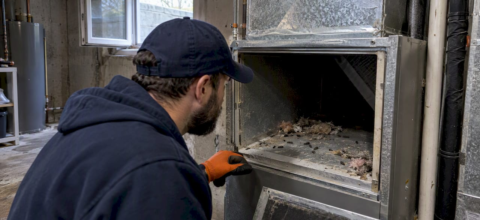
- Blockages from debris or animal nests that physically stop the gas from rising
- Cracked or deteriorated flue liners that allow CO to seep through chimney walls into adjacent rooms
- Soot and creosote buildup that narrows the flue opening and reduces draft
- Negative air pressure created by exhaust fans or HVAC systems pulling air inward rather than outward
Cracked flue liners are particularly insidious because the CO bypasses the fireplace area entirely and enters rooms you would never associate with chimney risk, such as bedrooms or hallways. That detail alone is worth sitting with for a moment.
What chimney problems increase carbon monoxide dangers?
Specific structural and maintenance failures are the direct causes of chimney carbon monoxide dangers. Knowing what to look for gives you a head start before a professional inspection.
Debris, soot, and animal nests are the most common blockage sources. Birds, squirrels, and raccoons frequently nest inside chimney flues during warmer months. By the time you light your first fire in October, the flue may already be partially or fully blocked. Soot accumulation and debris cause both acute high-level CO exposures and chronic smaller leaks that go undetected for weeks.
Cracked or deteriorated flue liners are a serious structural concern. Terracotta liners, which are the most common type in older NY, NJ, and CT homes, degrade under the corrosive effects of water vapor and combustion byproducts. Corrosive conditions from gas furnaces accelerate liner breakdown, creating gaps that CO can pass through silently.
Rust and condensation on flue pipes or firebox components signal moisture intrusion. Moisture accelerates metal corrosion and liner cracking, compounding the venting problem over time.
Negative air pressure is a less obvious but equally real threat. Modern homes are tightly sealed for energy efficiency. When kitchen exhaust fans, bathroom fans, or HVAC return systems run simultaneously, they can reverse chimney draft and pull CO back into the home instead of venting it out.
Pro Tip: Before your first fire of the season, hold a lit match near the fireplace opening with the damper open. If the flame bends toward you rather than up into the flue, you have a draft problem that needs professional attention before you burn anything.
What are the symptoms of carbon monoxide chimney exposure?
Recognizing CO poisoning symptoms early is critical because the gas gives no sensory warning. CO poisoning symptoms closely mimic the flu and include headache, dizziness, weakness, nausea, chest pain, and confusion. That similarity causes dangerous delays in recognizing what is actually happening.
Here is the progression most households experience:
- Mild exposure: Headache and slight dizziness, often dismissed as fatigue or a cold
- Moderate exposure: Worsening headache, shortness of breath, and nausea that intensifies indoors but improves when you leave the house
- Severe exposure: Confusion, loss of coordination, and loss of consciousness
- Fatal exposure: Rapid incapacitation with no warning at high concentrations
The timing of symptoms matters. Over one-third of CO-related deaths occur during sleep, when no one is alert enough to notice symptoms or evacuate. This is why relying on symptoms alone is not a reliable safety strategy.
Physical chimney warning signs are equally important to monitor. The Minnesota Department of Health identifies these as critical red flags requiring immediate inspection:
- Soot streaks on the wall above the fireplace opening
- Excess condensation on windows near the fireplace
- Rusted flue pipes or firebox components
- Discolored or cracked chimney bricks
- Absence of an upward draft when the damper is open
If you or anyone in your household experiences flu-like symptoms that improve when you leave the home and return when you come back, treat it as a CO emergency. Exit immediately, call 911, and do not re-enter until emergency responders clear the space.
How does regular chimney maintenance reduce CO risks?
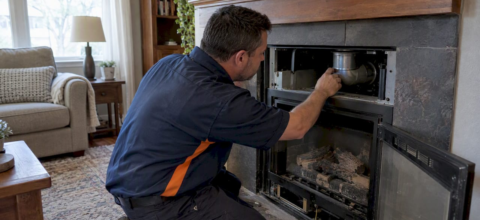
Annual professional chimney inspection and cleaning is the single most effective step for preventing carbon monoxide in chimneys. Both the CDC and the Chimney Safety Institute of America (CSIA) recommend yearly maintenance for any home using a fireplace, wood stove, or gas appliance vented through a chimney.
Here is what a thorough professional inspection covers versus what a basic cleaning alone addresses:
| Service | What It Covers | CO Risk Reduction |
|---|---|---|
| Basic chimney sweep | Soot and creosote removal | Reduces blockage risk |
| Level 1 inspection | Accessible flue, firebox, and damper check | Identifies visible damage |
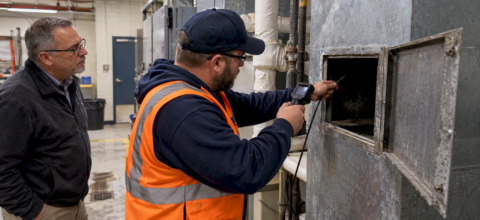
| Level 2 inspection | Full liner integrity, video scan of flue | Detects cracks and hidden blockages |
| Prompt repair | Liner relining, cap replacement, masonry repair | Eliminates CO seepage pathways |
A Level 2 inspection is the standard recommendation when you buy a new home, after any chimney fire, or when you notice any of the physical warning signs listed above. The entire venting pathway must be checked, not just the visible firebox area. Cleaning soot without inspecting the liner misses the most dangerous failure points.
CO detectors are a non-negotiable addition to any chimney safety plan. Install a UL-listed carbon monoxide alarm on every level of your home, including inside or just outside each sleeping area. Test them monthly and replace the units every 5–7 years per manufacturer guidelines.
Pro Tip: Schedule your chimney inspection and cleaning in late summer or early fall, before heating season begins. Technicians are less booked, and you will have time to complete any repairs before you need the fireplace.
What practical steps prevent chimney-based CO poisoning?
Preventing chimney carbon monoxide poisoning requires a layered approach. No single action covers every risk. Multiple safeguards together provide the best protection.
Follow these steps to protect your household:
- Always open the damper fully before lighting a fire and keep it open until the fire is completely out and the ash is cold
- Never use outdoor-only fuel appliances indoors. Charcoal grills, propane camp stoves, and portable generators produce CO at levels that overwhelm any chimney’s venting capacity
- Install CO alarms on every floor and test them monthly. Replace batteries annually
- Know your evacuation plan. If a CO alarm sounds, get everyone outside immediately, call 911, and do not go back inside
- Check chimney sweeping frequency for your specific appliance type. Wood-burning fireplaces need annual sweeping. Gas appliances still require annual inspections even if they produce less visible soot
- Before each heating season, visually inspect the firebox for soot streaks, rust, or crumbling mortar and report anything unusual to a certified chimney sweep
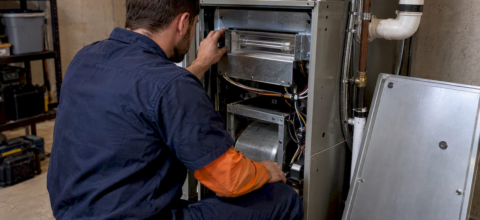
Pro Tip: If your home has a gas furnace or water heater vented through the same chimney as your fireplace, ask your technician to inspect both venting systems together. Shared flue problems are a common and overlooked source of chronic low-level CO leaks.
Key takeaways
Carbon monoxide risks in chimneys are best controlled through annual professional inspections, functioning CO alarms, and prompt repair of any liner or blockage issues.
| Point | Details |
|---|---|
| CO forms from incomplete combustion | Any fuel-burning appliance can produce CO when chimney venting fails. |
| Cracked liners are a hidden danger | A damaged flue liner allows CO to enter rooms far from the fireplace. |
| Symptoms mimic the flu | Headache and nausea that improve outdoors are a strong signal of CO exposure. |
| Sleep raises your risk | More than one-third of CO deaths occur during sleep, making alarms non-negotiable. |
| Annual maintenance is the core defense | CDC and CSIA both recommend yearly chimney inspection and cleaning to prevent buildup. |
What i’ve learned after years of chimney safety work
The misconception I encounter most often is that a gas fireplace or gas furnace is automatically safe because it burns “cleaner” than wood. That is not accurate. Gas appliances still produce CO, and their venting systems are just as vulnerable to liner corrosion and blockage. The CSIA specifically flags water vapor from modern gas furnaces as a driver of terracotta liner degradation. A homeowner who skips inspections because they switched from wood to gas is not safer. They have simply traded one risk for another they are less aware of.
The second thing I want to be direct about is chronic low-level exposure. Most CO safety conversations focus on acute poisoning events. But recurring mild headaches, fatigue, and nausea that your household writes off as seasonal illness can be the result of a slow, ongoing chimney leak. If those symptoms follow a pattern tied to heating season, that pattern is a red flag worth acting on before it becomes a crisis.
The most reliable protection is not any single action. It is the combination of annual professional maintenance, working CO alarms on every floor, and the awareness to recognize that symptoms improving when you leave the house are not a coincidence. Schedule your inspection before you need the fireplace, not after something goes wrong.
— Victor
Keep your chimney safe this heating season with Amazonairpro
If you live in New York, New Jersey, or Connecticut, Amazonairpro’s certified chimney technicians are ready to inspect and clean your chimney before heating season starts. The team has over 10 years of experience identifying the exact problems that create CO risk: blocked flues, cracked liners, and failed draft systems.

A professional chimney sweep and inspection covers the full venting pathway, not just a surface cleaning. Amazonairpro also offers air duct cleaning services to improve your home’s overall indoor air quality alongside chimney care. Book your appointment before the fall rush and go into heating season with confidence that your home is protected.
FAQ
What causes carbon monoxide to build up from a chimney?
Carbon monoxide builds up indoors when chimney blockages, cracked liners, or draft failures prevent combustion gases from venting outside. Debris, animal nests, soot accumulation, and negative air pressure from HVAC systems are the most common causes.
What are the early signs of CO poisoning from a chimney?
Early symptoms include headache, dizziness, nausea, and weakness that closely resemble the flu. A key indicator is that symptoms improve when you leave the home and return when you come back inside.
How often should i have my chimney inspected for CO safety?
The CDC and CSIA both recommend annual professional chimney inspections for any home using a fireplace or fuel-burning appliance vented through a chimney. Wood-burning systems also require annual sweeping.
Do i need a CO alarm if i already maintain my chimney?
Yes. Even well-maintained chimneys can experience sudden blockages or draft failures. A UL-listed carbon monoxide alarm on every floor, especially near sleeping areas, provides a critical backup layer of protection.
Can a gas fireplace produce dangerous levels of carbon monoxide?
Yes. Gas appliances produce CO and rely on intact chimney venting to remove it safely. Liner corrosion from water vapor in gas furnace exhaust is a recognized cause of CO leaks in homes that have never used wood-burning appliances.
Recommended
- The Role of Ventilation in Safety: A 2026 Guide – Amazon Air Duct Cleaning
- Why clean commercial chimneys? Safety, compliance, savings – Amazon Air Duct Cleaning
- Winter Heating Safety Checklist | Preventing CO Buildup
- When to Clean Your Chimney Flue for Safety and Efficiency – Amazon Air Duct Cleaning