The Role of Filter Replacement in Home Air Quality
TL;DR:
- Filter replacement is essential for maintaining indoor air quality, extending equipment lifespan, and saving energy costs. Regularly changing filters prevents system strain, reduces energy waste, and protects health by trapping harmful pollutants. Monitoring filter conditions with gauges or visual checks ensures timely replacements, especially in high-use or contaminated environments.
Filter replacement is the single most effective maintenance task for protecting indoor air quality, extending equipment lifespan, and keeping energy costs under control. Whether you manage a home in New Jersey, a commercial property in New York, or a rental unit in Connecticut, the filters in your HVAC system and water supply are working every hour of every day. When they fail, everything downstream suffers. This article explains what filter replacement actually does, when to act, and how to build a maintenance approach that saves you money and protects the people inside your building.
What is the role of filter replacement in HVAC and water systems?
Filter replacement is the process of swapping out spent filtration media before it loses effectiveness or begins causing harm. The industry term for the broader practice is preventive filter maintenance, and it applies to HVAC air filters, water filtration cartridges, and appliance filters alike.
The core function of any filter is to trap contaminants before they reach either the people in a building or the mechanical components of a system. A clean HVAC filter captures dust, pollen, pet dander, and mold spores. A functioning water filter removes sediment, chlorine byproducts, lead, and per- and polyfluoroalkyl substances (PFAS). Once a filter reaches capacity, it stops trapping new contaminants and can begin releasing previously captured ones back into circulation.

Filters are the first line of defense for both indoor air quality and mechanical health. Skipping replacements does not just degrade air quality. It shortens equipment lifespan and increases repair frequency. That is the core reason the role of filter replacement matters beyond simple cleanliness.
How does filter replacement impact energy consumption and system performance?
A clogged filter forces your HVAC system to work harder to pull air through restricted media. The result is measurable and costly.
- Clogged HVAC filters increase energy consumption by 5–15%, translating to $40–$180 per year in wasted energy costs. That figure compounds over multiple years of neglect.
- Restricted airflow increases mechanical strain on the blower motor and heat exchanger, raising the risk of premature component failure.
- Clean filters maintain proper pressure differentials across the system, allowing air to move freely and reducing operational load.
- Water filters past their replacement date show a 20–50% drop in filtration effectiveness and can become bacteria breeding grounds within 3–6 months of being overdue.
That energy cost increase is worth sitting with for a moment. A $10–$20 filter change every few months directly prevents a $40–$180 annual energy penalty, not counting the risk of a $500–$2,000 HVAC repair from a burned-out blower motor.
“Professional facility operators use magnehelic gauges to monitor pressure differential across filters for precise, condition-based replacements rather than calendar schedules.” — ACHR News
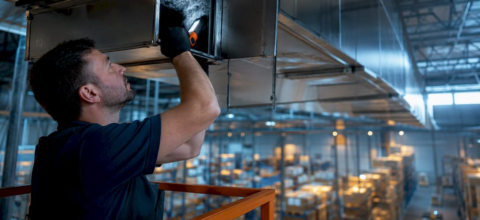
This approach, called condition-based maintenance, optimizes replacement timing by measuring actual filter load rather than guessing based on the calendar. For commercial property managers in New York and New Jersey, this method prevents both premature replacements and costly overload failures.
Pro Tip: If you manage multiple units or a commercial building, consider installing simple pressure gauges on your air handlers. The upfront cost is low, and the data tells you exactly when each filter needs changing, no guesswork required.

What are the signs and timelines for replacing different types of filters?
Knowing when to replace a filter is as important as knowing why. Replacement intervals vary by filter type, household conditions, and usage patterns.
HVAC filter replacement timelines
| Filter Type | Standard Interval | Heavy-Use Interval |
|---|---|---|
| 1-inch flat panel filter | 30–90 days | 21–30 days |
| 4–5 inch deep-pleated filter | 6–12 months | 4–6 months |
| HEPA filter (standalone unit) | 12 months | 6–9 months |
Standard 1-inch HVAC filters need replacement every 30–90 days, while 4–5 inch deep-pleated filters last 6–12 months with better filtration and no airflow penalty. The difference matters for your budget and your schedule.
Water filter replacement timelines
Reverse osmosis (RO) membrane rejection rates drop from 95–99% down to 50–70% without timely replacement. That means nearly half the contaminants you expect to be filtered are passing straight through. Standard under-sink carbon filters typically need replacement every 6–12 months depending on water quality and household usage.
Warning signs to watch for
- Visible gray or brown discoloration on the filter media
- Increased dust accumulation on surfaces near vents
- Reduced airflow from registers or lower water pressure
- Unusual odors from vents or a change in water taste
- Your HVAC system running longer cycles than usual
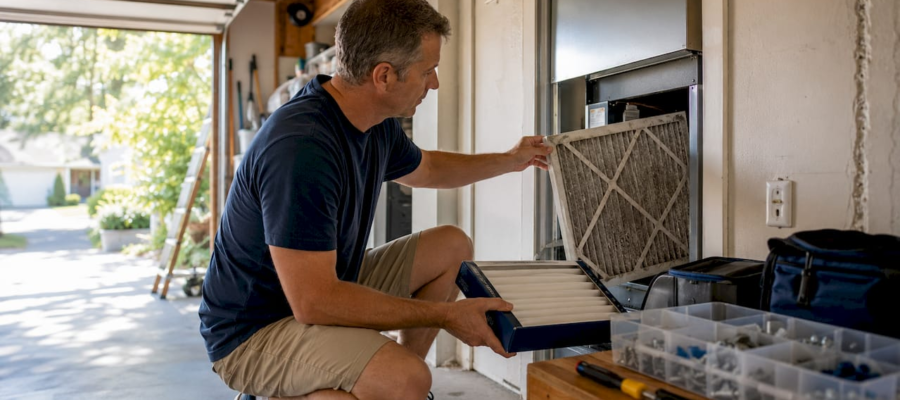
Monthly visual inspection accounts for household factors far better than a fixed calendar schedule. Homes with pets, multiple occupants, or high seasonal pollen counts in areas like Connecticut and New Jersey often need 1-inch filters changed every 21–30 days rather than the standard 90-day interval.
Pro Tip: Set a recurring phone reminder for the first day of each month to pull and visually check your HVAC filter. It takes 60 seconds and gives you real data instead of a guess.
What are the health and air quality benefits of regular filter replacement?
Clean filters directly protect the health of everyone in your building. The benefits of changing filters on schedule go well beyond mechanical performance.
- HVAC filters trap dust, allergens, mold spores, and bacteria before they circulate through living and working spaces.
- Water filters remove lead, chlorine byproducts, and PFAS compounds that are linked to long-term health risks.
- Expired carbon water filters do not just stop working. They release trapped contaminants back into your water supply, making the situation worse than having no filter at all.
- Higher MERV (Minimum Efficiency Reporting Value) rated filters capture finer particles. A MERV 11 or MERV 13 filter captures particles as small as 0.3 microns, including fine dust and some airborne bacteria.
One critical misconception deserves direct attention. Taste is not a reliable indicator of water filter performance. Dangerous contaminants like lead and PFAS are tasteless, meaning your water can look and taste perfectly fine while delivering harmful substances. Scheduled replacement is the only reliable protection.
“Filters protect both the system and the occupants by filtering dust, allergens, and contaminants. Neglect shortens equipment life and degrades air quality.” — Bryant
For commercial property managers and business owners, this is a liability issue as much as a health one. Poor indoor air quality in office buildings and multi-unit residential properties in New York and New Jersey affects tenant satisfaction, productivity, and in some cases, legal compliance with building codes. You can learn more about MERV rating selection to match your filter to your actual air quality needs.
How to optimize filter maintenance for your property
A solid filter maintenance strategy is not complicated, but it does require a system. Here is a practical approach that works for both residential and commercial properties.
-
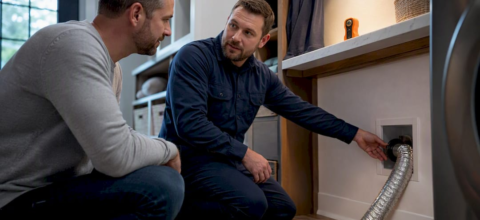
Conduct a baseline audit. Walk your property and identify every filter point: HVAC air handlers, return air vents, water filtration systems, and any appliance filters such as range hoods or dehumidifiers. Document the filter type and size at each location.
-
Shift from calendar to condition-based monitoring. For larger HVAC systems, pressure differential monitoring using magnehelic gauges gives you precise replacement timing. For residential systems, monthly visual checks serve the same purpose at no cost.
-
Consider upgrading to deep-pleated filters. Upgrading to 4–5 inch deep-pleated filters involves a one-time cabinet installation cost of $200–$400 but reduces replacement frequency from monthly to twice a year. The long-term savings in both filter costs and energy bills make this a smart investment for most NY and NJ homeowners.
-
Never clean and reuse disposable filters. Washing disposable filters embeds contaminants deeper into the media or destroys the filter structure entirely. The result is worse filtration than a clogged filter. Replace them.
-
Balance replacement cost against energy and repair costs. Delaying replacement past the economic crossover point means your energy costs are rising faster than you would spend on a new filter. For commercial systems, late changes also risk production or operational shutdowns.
Pro Tip: Buy filters in bulk packs for your most common sizes. You will save 20–30% per filter and always have a replacement on hand when the monthly check shows it is time.
For a deeper look at HVAC filter facts specific to residential systems, Amazonairpro has put together a practical resource covering the most common homeowner questions.
Key takeaways
Regular filter replacement protects indoor air quality, reduces energy costs by up to 15%, and prevents equipment failures that cost far more than the filters themselves.
| Point | Details |
|---|---|
| Energy savings are real | Clogged filters waste $40–$180 per year in energy; timely replacement eliminates that cost. |
| Replacement intervals vary | 1-inch HVAC filters need changes every 30–90 days; deep-pleated filters last 6–12 months. |
| Taste does not indicate water filter health | Lead and PFAS are tasteless; replace water filters on schedule regardless of flavor. |
| Never wash disposable filters | Cleaning destroys filter media and worsens contamination rather than restoring function. |
| Condition-based monitoring beats the calendar | Pressure gauges and monthly visual checks give more accurate replacement timing than fixed dates. |
Why I think most people underestimate this maintenance task
I have seen the inside of a lot of HVAC systems across New York and New Jersey, and the pattern is consistent. Homeowners and property managers who skip filter changes do not do it out of negligence. They do it because nothing seems wrong yet. The air still flows. The water still tastes fine. The system still runs.
That is exactly the problem. Filters fail silently. By the time you notice reduced airflow or a spike in your energy bill, the damage is already accumulating. I have watched building owners spend $1,500 on a blower motor replacement that a $15 filter change every 60 days would have prevented.
The upgrade to deep-pleated filters is the single recommendation I give most often to property managers in Connecticut and New Jersey who want to reduce their maintenance burden. The one-time cabinet modification pays for itself within two years in most cases, and the longer replacement interval means fewer opportunities to fall behind on the schedule.
The other thing I tell people: do not trust your senses. You cannot smell lead. You cannot see PFAS. You cannot feel a 10% increase in energy consumption. The only thing that protects you is a schedule you actually follow. Monthly visual checks take less time than making a cup of coffee, and they give you real information about what is happening inside your system.
If you want to go further, look into HVAC system lifespan resources that connect filter maintenance to the broader picture of equipment longevity. The relationship between clean filters and a long-running system is direct and well-documented.
— Victor
How Amazonairpro supports your filter and duct maintenance plan

Regular filter changes handle what enters your system, but the ducts themselves accumulate dust, debris, and contaminants that no filter can address after the fact. Amazonairpro provides professional air duct cleaning services for residential and commercial clients across New York, New Jersey, and Connecticut. A clean duct system works with your filter maintenance routine, not against it. When ducts are clear, filters last longer and air quality improves measurably. If you are not sure whether your ducts need attention, Amazonairpro’s team can assess your system and give you a straight answer. Schedule an inspection today and take the guesswork out of your indoor air quality plan.
FAQ
How often should you replace a standard HVAC filter?
Standard 1-inch HVAC filters need replacement every 30–90 days. Homes with pets or high occupancy may need changes as frequently as every 21–30 days.
Can you clean and reuse a disposable air filter?
No. Washing disposable filters destroys the filter media and embeds contaminants deeper, making filtration worse. Disposable filters must be replaced, not cleaned.
What happens if you leave a water filter too long?
Water filters past their replacement date show a 20–50% drop in filtration effectiveness. Expired carbon filters can also release previously trapped contaminants back into your water supply.
Does a higher MERV rating mean better air quality?
A higher MERV rating captures finer particles, including fine dust and some bacteria. MERV 11–13 filters offer strong protection for most homes without restricting airflow in properly sized systems.
How do you know when a filter needs replacing without a schedule?
Monthly visual inspection is the most reliable method for homeowners. Look for visible gray or brown discoloration, reduced airflow from vents, or longer HVAC run cycles as clear indicators that replacement is overdue.
Recommended
- HVAC Air Filter Facts Every Homeowner Should Know – Amazon Air Duct Cleaning
- How Often Should You Change Your Air Filter? – Amazon Air Duct Cleaning
- HVAC Maintenance Guide: Boost Air Quality & Efficiency – Amazon Air Duct Cleaning
- What MERV Rating Should I Use? Air Filter Guide for Homeowners