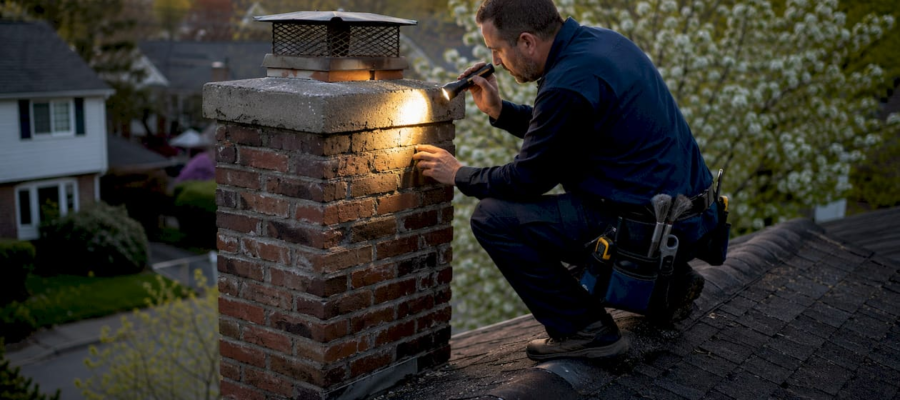
Top Reasons to Schedule Chimney Sweeps for Homeowners
TL;DR:
- Scheduling regular chimney inspections and only sweeping when necessary can prevent fires, carbon monoxide poisoning, and costly repairs. Amazonairpro offers inspection-first chimney services in NY, NJ, and CT, emphasizing documentation and proper assessment before cleaning. Homeowners are advised to inspect annually and schedule sweeps based on professional findings to ensure safety and efficiency.
Scheduling chimney sweeps protects your home from fire, carbon monoxide exposure, and structural damage — and both the NFPA 211 standard and the Chimney Safety Institute of America (CSIA) back this with clear, enforceable guidance. Amazonairpro has served homeowners and property managers across New York, New Jersey, and Connecticut for many years, and the pattern is consistent: the homes that avoid costly chimney emergencies are the ones that schedule inspections before problems become visible.
Quick TL;DR:
- Creosote buildup is the leading cause of chimney fires — sweeping removes it before it ignites
- Blocked or damaged flues trap carbon monoxide inside your home
- Annual inspection catches structural damage, water intrusion, and animal nests early
- NFPA 211 requires annual inspection; sweeping is triggered by the 1/8-inch creosote buildup threshold, not the calendar
- Amazonairpro offers inspection-first chimney sweeps in NY, NJ, and CT
Table of Contents
- 1. Creosote buildup puts your home at direct fire risk
- 2. Blocked flues create a carbon monoxide hazard
- 3. Annual inspection catches structural damage before it spreads
- 4. Animal nests and debris blockages are more common than you think
- 5. Water intrusion causes damage that compounds quietly
- 6. A clean flue improves draft and heating efficiency
- 7. Inspection-first scheduling saves you money over time
- 8. Early detection prevents the most expensive repairs
- How often should you actually schedule a chimney sweep?
- Signs you should book a chimney sweep right now
- What actually happens during a professional chimney sweep appointment
- What does a chimney sweep typically cost in NY, NJ, and CT?
- How to prepare your home before the technician arrives
- How to choose a qualified chimney sweep
- Practical next steps you can take today
- Key Takeaways
- The inspection-first approach is the one that actually protects you
- Amazonairpro chimney sweep services in NY, NJ, and CT
- Useful sources
- FAQ
1. Creosote buildup puts your home at direct fire risk
Creosote is a flammable byproduct of wood combustion that coats the inside of your flue with every fire you burn. It progresses through three stages: flaky Stage 1 (easiest to brush away), tar-like Stage 2, and hardened Stage 3 glaze that requires chemical treatment. Even a thin layer is combustible. NFPA 211 sets the sweep threshold at 1/8 inch of accumulation — at that point, sweeping is required, not optional.
The practical takeaway: don’t wait for visible buildup. A certified technician can measure it; you cannot.
2. Blocked flues create a carbon monoxide hazard
A chimney that looks fine from the fireplace opening can still have a dangerous obstruction higher up. Bird nests, debris, and deteriorated liner sections all restrict airflow and force combustion gases, including carbon monoxide (CO), back into your living space. According to the CDC, a significant number of Americans die from unintentional CO poisoning every year. A blocked or corroded flue is a direct contributor to that risk.

Gas fireplace owners often assume they’re exempt. They’re not. Natural gas combustion produces water vapor and small amounts of sulfur compounds that corrode the liner over time, and blockages from animal intrusion affect gas appliances just as seriously as wood-burning ones.
3. Annual inspection catches structural damage before it spreads
Hairline cracks in a flue liner, deteriorating mortar joints, and a failing chimney crown are invisible from ground level. Left unaddressed, they allow water to penetrate the masonry, freeze, and expand — turning a $200 repair into a $2,000 rebuild. A Level 1 inspection (the annual visual check required by NFPA 211) covers the firebox, damper, smoke chamber, and crown. A Level 2 inspection, which includes a camera scan, is required after a chimney fire, at property transfer, or when changing fuel types.
Catching a cracked liner early is the difference between a liner repair and a full chimney rebuild.
4. Animal nests and debris blockages are more common than you think
Chimney swifts, starlings, and squirrels treat an uncapped flue as prime real estate. A single nest can completely block airflow, and nesting materials are highly combustible. You won’t always hear the animals — by the time you notice a draft problem or a smoky smell, the blockage may already be significant.
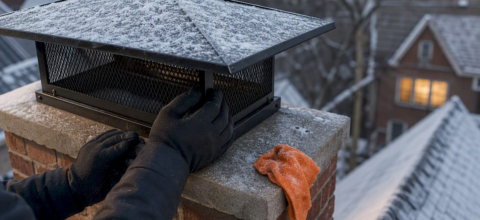
A chimney cap is the first line of defense, but only an inspection confirms whether one is intact and properly seated.
5. Water intrusion causes damage that compounds quietly
A missing or cracked chimney cap lets rain directly into the flue. A deteriorating crown allows water to seep into the masonry. Both problems accelerate in freeze-thaw cycles common across NY, NJ, and CT winters. Spalling brick, rusted dampers, and stained ceilings near the chimney are all downstream symptoms of water intrusion that started at the top. Scheduling a chimney cleaning and inspection before heating season gives a technician the chance to spot these issues while repairs are still straightforward.
6. A clean flue improves draft and heating efficiency
Creosote and soot deposits narrow the flue diameter and disrupt airflow. Poor draft means your fire burns less efficiently, you use more wood to produce the same heat, and smoke is more likely to spill back into the room. A clean flue draws properly, which means better combustion, less fuel waste, and a more comfortable fire. The efficiency argument alone often justifies the cost of a sweep for heavy users.
7. Inspection-first scheduling saves you money over time
Many providers sell calendar-based annual sweeping regardless of actual buildup. Industry professionals advise inspection-first: inspect annually, then sweep only when the inspection shows the 1/8-inch threshold, glaze, or an obstruction. Light users may only need a sweep every 2–3 years; moderate users every 1–2 years; heavy users annually. Gas fireplace owners often go 3–5 years between sweeps while still needing that annual inspection. Knowing the difference keeps you from paying for services you don’t need.
Pro Tip: Ask your technician for measurement or camera evidence of creosote buildup before agreeing to a sweep. A reputable provider will show you the documentation.
8. Early detection prevents the most expensive repairs
The most costly chimney repairs — full liner replacements, structural rebuilds, smoke chamber reconstruction — almost always trace back to problems that were detectable years earlier. A post-service written report with photos or video of the flue liner is the documentation that makes early detection actionable. Without it, small cracks and gaps go undetected and develop into hidden hazards. Always request a written report with photos after every appointment.
How often should you actually schedule a chimney sweep?
The direct answer: inspect every year, sweep when the inspection says you need it. NFPA 211 mandates annual inspection for every chimney in regular use — but it does not mandate annual sweeping. Sweeping is triggered by findings, not the calendar.
Usage-based sweep frequency guide:
- Light use (a few fires per season): sweep every 2–3 years, inspect annually
- Moderate use (weekly fires in heating season): sweep every 1–2 years, inspect annually
- Heavy use (primary heat source, daily fires): sweep annually, inspect annually
- Green or wet wood: sweep more frequently — wet wood accelerates creosote buildup
- Gas fireplace: inspect annually; sweep typically every 3–5 years unless inspection finds buildup or corrosion
- Pellet stove: inspect annually; sweep frequency depends on ash and clinker accumulation
For a detailed breakdown by fuel type and usage pattern, Amazonairpro’s guide on chimney sweeping frequency is a practical starting point.
Pro Tip: Request camera documentation during your inspection. Photos or video of the flue liner give you a baseline record and make it easy to compare condition year over year.
Signs you should book a chimney sweep right now
Some warning signs mean you should stop using the fireplace and call a professional before the next fire. If you notice any of the following, schedule service immediately:
- Smoke backing into the room when the damper is open
- A persistent smoky or burnt odor when the fireplace is not in use
- Shiny, glazed black deposits visible inside the firebox (Stage 3 creosote)
- Black flakes or chunks of debris falling into the firebox
- Loud cracking, popping, or rumbling sounds during a fire
- Animal noises or nesting materials visible in the firebox
- Difficulty starting or maintaining a fire despite good wood and technique
- Visible water staining on the ceiling or walls near the chimney
What actually happens during a professional chimney sweep appointment
A professional appointment is more than brushing the flue. Here’s the sequence you should expect:
- Pre-arrival prep: Technician confirms access needs; you clear a 3-foot work zone around the fireplace
- Setup and containment: Drop cloths, HEPA-filtered vacuum, and containment systems protect your living space from soot
- Level 1 inspection: Visual check of the firebox, damper, smoke chamber, flue liner, crown, and cap
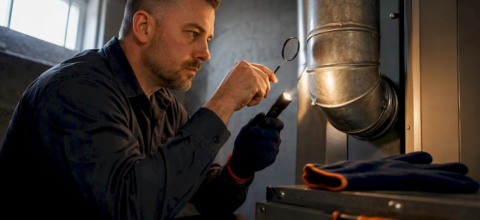
- Camera scan (if Level 2 is warranted): Video inspection of the full flue reveals hairline cracks and liner gaps invisible to the naked eye
- Mechanical brushing: Rotary brushes remove creosote, soot, and debris from the flue walls
- Firebox cleanup: Ash and loose debris are vacuumed from the firebox and smoke shelf
- Post-service report: Written findings with photos or video; recommendations reference NFPA 211 sections when major repairs are needed
A standard appointment typically takes 45–90 minutes for a single wood-burning system. Complex setups — fireplace inserts, double-flue chimneys, or significant creosote buildup — take longer. Any provider who can’t explain their containment process or won’t provide a written report is a red flag.
What does a chimney sweep typically cost in NY, NJ, and CT?
Basic sweep pricing typically ranges from $150–$400 for a standard single-flue wood-burning system. Several factors push the cost higher:
- Stage 2 or Stage 3 creosote: Tar-like or glazed buildup requires chemical treatment or additional cleaning passes
- Multi-flue systems: Each additional flue adds time and labor
- Camera inspection (Level 2): Adds cost but is required after chimney fires or at property transfer
- Access difficulty: Steep roof pitch or limited attic access increases job time
- Required repairs: Cap replacement, crown repair, or liner work are priced separately
Scheduling in late spring or summer, after heating season, typically means faster availability and avoids the fall rush when every homeowner in the region books at once.
How to prepare your home before the technician arrives
A few minutes of preparation makes the appointment faster and protects your home from dust.
- Clear a 3-foot zone around the fireplace: move rugs, furniture, and decorative items
- Remove fireplace tools, screens, and glass doors, or leave them accessible
- Don’t build a fire in the 24 hours before the appointment
- Secure pets in another room — the equipment is loud
- Note any concerns (smoke backing up, odors, sounds, visible cracks) to share with the technician
- For property managers: notify tenants 48 hours in advance and confirm roof access if the chimney requires it from above
Pro Tip: Book in late spring or early summer. Scheduling off-season gives you faster appointment windows and time to complete any repairs before the first cold snap.
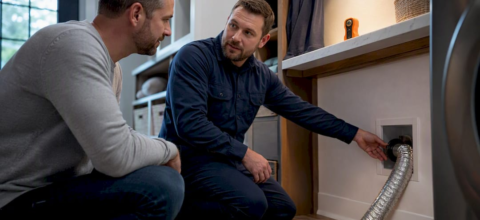
Dryer vents deserve the same seasonal attention. If you’re already scheduling home maintenance, it’s worth reviewing why dryer vent cleaning matters for fire prevention alongside your chimney service.
How to choose a qualified chimney sweep
Not every provider delivers the same standard of work. Here’s what to look for and what to ask.
Core selection criteria:
- CSIA certification or demonstrated knowledge of NFPA 211 inspection levels
- Camera-capable inspections for Level 2 scope
- Proof of liability insurance
- Written post-service report with photos
Questions to ask before booking:
- What inspection level do you perform, and is a camera scan included?
- Will I receive a written report with photos after the appointment?
- How do you contain dust and soot during the job?
- Can you provide an itemized price breakdown?
- Are you insured, and can you provide proof?
Red flags to watch for:
- Pressure to schedule annual sweeping regardless of inspection findings
- Vague verbal reports with no written documentation
- No explanation of containment methods
- Inability to cite NFPA 211 when recommending major repairs
- Unusually low flat-rate pricing with no inspection component
Industry professionals consistently note that technicians who skip post-service documentation are failing to deliver the primary value of the visit: an expert assessment of liner and structural integrity.
Practical next steps you can take today
If you haven’t had a chimney inspection this year, that’s the single most important action to take now.
- Book an annual inspection — even if you haven’t used the fireplace much
- Request camera documentation and a written report at the time of booking
- Schedule a sweep only if the inspection finds creosote at or above 1/8 inch, glaze, obstructions, or liner damage
- Schedule any recommended repairs before the heating season begins
- Set a calendar reminder for next year’s inspection — same time, every year
- Property managers: keep a maintenance log with inspection dates, technician names, and report copies for each unit; notify tenants in writing before and after service
For older properties in NY, NJ, and CT, historic masonry chimneys often have unique maintenance needs. A homeowner guide to historic wood maintenance can help you understand the terminology your technician may use when describing mortar, brick, or liner conditions in older structures.
Key Takeaways
Inspect your chimney annually and sweep only when the inspection confirms the need — that single habit prevents the majority of chimney fires, CO incidents, and costly structural repairs.
| Point | Details |
|---|---|
| Inspect annually, sweep as needed | NFPA 211 requires annual inspection; sweeping is triggered by 1/8-inch creosote, glaze, or obstructions — not the calendar. |
| Watch for urgent warning signs | Smoke backflow, glazed creosote, debris in the firebox, or animal sounds mean you should stop using the fireplace and call a pro. |
| Expect a written report with photos | A post-service report with photos or video is the documentation that makes early detection actionable. |
| Vet providers for NFPA/CSIA knowledge | Ask for camera-capable inspections, itemized quotes, proof of insurance, and written findings before booking. |
| Amazonairpro serves NY, NJ, and CT | Amazonairpro offers inspection-first chimney sweeps with documentation for residential and commercial properties across New York, New Jersey, and Connecticut. |
The inspection-first approach is the one that actually protects you
The most common mistake homeowners make isn’t skipping the chimney entirely — it’s conflating an annual sweep with an annual inspection. They’re not the same thing. An inspection tells you whether a sweep is needed. A sweep without an inspection is just cleaning without diagnosis.
The providers worth trusting are the ones who lead with the inspection, show you the evidence (camera footage, measurements, photos), and only recommend a sweep when the findings justify it. That approach costs less over time, and it’s the one that actually catches the problems that matter: a cracked liner, a failing crown, a Stage 3 glaze deposit that a brush alone won’t remove.
If your last chimney appointment ended with a verbal “looks good” and no paperwork, that’s worth sitting with for a moment. You paid for an expert assessment and didn’t receive one.
Amazonairpro chimney sweep services in NY, NJ, and CT
Amazonairpro brings over 10 years of experience to chimney inspections and sweeps for homeowners and property managers across New York, New Jersey, and Connecticut. Every appointment follows an inspection-first approach: the technician assesses the system, documents findings with photos, and recommends a sweep only when the condition of the flue warrants it.

Bookings include a written post-service report, containment setup to protect your home from soot, and clear pricing before any work begins. For property managers, Amazonairpro also handles bundled air duct and HVAC cleaning alongside chimney service, which simplifies scheduling across multiple units. Off-season appointments (spring and summer) are available and typically offer faster turnaround before the fall rush.
To schedule a chimney inspection or sweep in NY, NJ, or CT, visit the chimney cleaning service page or book directly through the NY and NJ local scheduling page.
Useful sources
- NFPA 211 Explained for Homeowners | FindChimneySweepers — Covers inspection levels, the 1/8-inch sweep threshold, and when Level 2 camera inspections are required
- How Often to Sweep a Chimney | FindChimneySweepers — Usage-based and fuel-based sweep frequency guidance
- What Happens During a Professional Chimney Cleaning Appointment? — Step-by-step process, containment expectations, and documentation standards
- What to Expect During a Chimney Sweep | A&T — Off-season scheduling guidance and post-service report expectations
- Chimney Inspection and NFPA 211 Standards | Chimney Expert — Level 2 inspection requirements after chimney fires
FAQ
How often should you schedule a chimney sweep?
Inspect annually regardless of use; sweep only when the inspection finds creosote at or above 1/8 inch, glaze, or an obstruction. Light users may only need a sweep every 2–3 years.
What is the difference between a chimney inspection and a chimney sweep?
An inspection assesses the condition of the flue, liner, and structure; a sweep removes creosote and debris. NFPA 211 requires the inspection annually — the sweep follows only if the inspection finds a problem.
What are the signs you need a chimney sweep right away?
Smoke backing into the room, a persistent smoky odor when the fireplace is off, shiny glazed deposits in the firebox, or debris falling into the firebox all indicate you should book service before your next fire.
How long does a professional chimney sweep appointment take?
A standard single-flue appointment typically runs 45–90 minutes. Complex systems, significant creosote buildup, or Level 2 camera inspections can extend that time.
Does Amazonairpro serve homeowners in New York, New Jersey, and Connecticut?
Yes. Amazonairpro provides inspection-first chimney sweeps with written documentation for residential and commercial properties across NY, NJ, and CT, with off-season scheduling available.
Recommended
- 3 Reasons to Sweep your Chimney – Amazon Air Duct Cleaning
- Top 7 benefits of chimney cleaning for NY, NJ & CT homes – Amazon Air Duct Cleaning
- How often do I need chimney sweeping services? – Amazon Air Duct Cleaning
- Why clean commercial chimneys? Safety, compliance, savings – Amazon Air Duct Cleaning