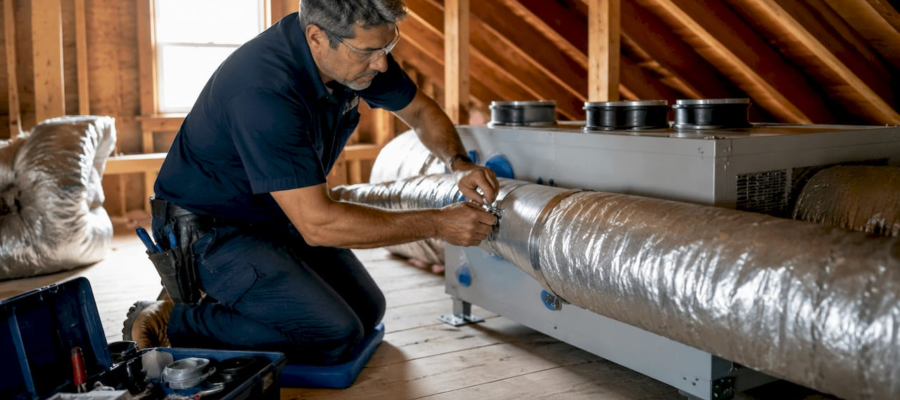
Efficient Home Ventilation Upgrades: 2026 Guide
TL;DR:
- Home ventilation upgrades are most effective when duct sealing is performed first, as leaks undermine efficiency and air quality improvements. Combining balanced mechanical ventilation with targeted spot extraction improves indoor air quality while reducing energy costs, especially when matched to climate and home conditions. Regular maintenance, proper installation, and smart controls ensure these systems operate effectively and deliver long-term benefits.
Efficient home ventilation upgrades are systems that improve indoor air quality and reduce energy costs at the same time. The most effective approach combines balanced mechanical ventilation, such as Energy Recovery Ventilators (ERVs) or Heat Recovery Ventilators (HRVs), with targeted exhaust fans and professional duct sealing. For homeowners and property managers in New York, New Jersey, and Connecticut, where winters are cold and summers are humid, choosing the right mix of these technologies makes a real difference in comfort and utility bills. This guide covers every practical upgrade worth considering in 2026, from whole-house systems down to bathroom fan replacements.
1. What are ERVs and HRVs, and how do they improve efficiency?

ERVs and HRVs are the core of any balanced mechanical ventilation system. Both units continuously exchange stale indoor air for fresh outdoor air without simply opening a window and losing all your conditioned air in the process.
The key difference comes down to what each unit transfers. HRVs suit cold, dry climates by moving heat only between incoming and outgoing airstreams. ERVs go further by transferring both heat and moisture, making them the better fit for mixed or humid climates. For most of the New York, New Jersey, and Connecticut region, an ERV handles seasonal humidity swings more effectively.
The energy recovery numbers are significant. ERVs and HRVs recover 70–90% of heat energy from exhaust air before it leaves the building. That means your HVAC system works far less to condition incoming fresh air.
| Feature | HRV | ERV |
|---|---|---|
| Transfers heat | Yes | Yes |
| Transfers moisture | No | Yes |
| Best climate | Cold, dry | Mixed or humid |
| Typical efficiency | 70–80% | 75–90% |
| Good for NY/NJ/CT | Winter months | Year-round |
Pro Tip: Look for units with SmartFlow or sensor-based controls. These automatically adjust airflow rates based on occupancy and indoor air quality readings, which prevents over-ventilating and wasting energy.
Proper installation is non-negotiable. Balanced supply and exhaust airflow prevents short-circuiting, where fresh air exits before it ever reaches living spaces. Always have a licensed HVAC technician commission the unit and verify airflow balance after installation.
2. How spot ventilation upgrades improve moisture and air quality
Spot ventilation targets specific rooms where moisture and pollutants concentrate most: kitchens and bathrooms. These upgrades complement whole-house systems and are often the most cost-effective first step.
Kitchen range hoods remove cooking grease, smoke, and combustion byproducts before they spread through the house. Standard cooktops require at least 250 CFM; professional-grade ranges need up to 400 CFM. Undersized hoods leave residual pollutants in the air even when running continuously.
Humidity-sensing bathroom fans are a genuine upgrade over manual switches. Fans rated 50–110 CFM with built-in humidity sensors run automatically when moisture levels rise and shut off when the air clears. This prevents mold growth without relying on anyone to remember to flip a switch.
Key installation details that most contractors overlook:
- Place the fan directly above or within 12 inches of the shower or tub, not across the room
- Use smooth, rigid metal duct runs rather than flexible plastic to reduce airflow resistance
- Vent exhaust directly outside, never into an attic or wall cavity
- Sensors must sit near moisture sources to respond accurately and quickly
Pro Tip: Clean bathroom fan grilles every six months. Dirty fans lose 20–30% of their airflow efficiency, which defeats the purpose of the upgrade entirely.
3. Why professional duct sealing is a critical first step
Duct sealing is the upgrade most homeowners skip, and it is the one that undermines every other improvement. Leaky ducts pull unconditioned air from attics, crawl spaces, and wall cavities directly into your living areas. That air bypasses your filters, your ERV, and your HVAC system entirely.
Professional duct sealing improves HVAC efficiency by 15–30%. That is a larger gain than most equipment upgrades deliver on their own. The Department of Energy identifies duct leakage as one of the most common sources of energy waste in American homes.
The practical consequences of skipping this step are serious:
- Fresh air from an ERV or HRV short-circuits through leaks before reaching bedrooms
- Humidity from crawl spaces enters living areas and raises mold risk
- Pressure imbalances cause backdrafting in gas appliances
- Energy bills stay high regardless of how efficient your new equipment is
Pro Tip: Schedule duct sealing before installing any new ventilation equipment. Installing expensive ventilation equipment without sealing ducts first can cancel out the energy savings you paid for.
Duct insulation matters just as much as sealing. Ducts running through unconditioned spaces lose significant heat or cooling before air reaches the registers. Insulating those runs to R-8 or higher is standard practice in cold-climate states like New York and Connecticut.
4. What are Central Fan Integrated Supply systems?
Central Fan Integrated Supply (CFIS) systems offer a practical middle ground for homes that already have ducted HVAC but are not ready for a full ERV or HRV installation. CFIS systems use existing HVAC ducts to bring outdoor air into the home through a motorized damper connected to the return air plenum.
The AirCycler g3 is a well-known controller used in CFIS setups. It coordinates the HVAC fan and the outdoor air damper to meet ventilation targets without running the system continuously. This keeps energy use lower than a simple always-on approach.
Comparing CFIS to dedicated HRV/ERV systems:
- Cost: CFIS is significantly less expensive to install since it uses existing equipment
- Energy recovery: CFIS does not recover heat or moisture from exhaust air, unlike HRVs and ERVs
- Complexity: CFIS requires less ductwork modification and fewer penetrations through the building envelope
- Best fit: Homes with newer, well-sealed HVAC systems and moderate ventilation needs
CFIS offers an affordable solution for homeowners who want improved ventilation without the higher cost of full heat recovery systems. The trade-off is that you give up energy recovery, which matters more in extreme climates.
Pro Tip: Pair a CFIS controller with an indoor air quality sensor that monitors CO2 and humidity. Demand-controlled ventilation only runs when the air actually needs refreshing, which cuts operating costs further.
5. How to choose the right ventilation upgrade for your home
Matching the upgrade to your specific home prevents wasted money and poor results. The right choice depends on four factors: your climate zone, your home’s airtightness, your existing HVAC setup, and your budget.
Step 1: Assess your building envelope. Tighter homes need more mechanical ventilation because natural air leakage no longer provides enough fresh air. Sealing the building envelope without adding controlled mechanical ventilation disrupts natural airflow and creates air quality problems. If you have recently added insulation or replaced windows, a whole-house ventilation system is no longer optional.
Step 2: Match the system to your climate. New York and Connecticut winters are cold and dry, which favors HRVs during heating season. New Jersey summers are humid, which favors ERVs for year-round use. Many property managers in the tri-state area choose ERVs for their flexibility across all four seasons.
Step 3: Check your existing ductwork. Balanced ventilation systems require correctly sized ducts and balanced airflow to avoid pressure imbalances. Have a technician measure static pressure and airflow before specifying new equipment.
Step 4: Prioritize upgrades by impact.
- Seal and insulate ducts first
- Add or upgrade spot ventilation in kitchens and bathrooms
- Install a whole-house balanced system (ERV, HRV, or CFIS) based on climate and budget
- Add IAQ sensors and smart controls for ongoing efficiency
- Schedule annual maintenance, including fan cleaning and filter replacement
Pro Tip: Request a blower door test before finalizing your upgrade plan. This test measures how airtight your home is and tells you exactly how much mechanical ventilation you need. It removes the guesswork from system sizing.
Understanding how ventilation affects energy performance helps you prioritize which upgrades deliver the fastest return on your investment.
Key takeaways
The most effective home ventilation improvements combine duct sealing, balanced mechanical ventilation, and targeted spot upgrades, matched to your climate and existing HVAC system.
| Point | Details |
|---|---|
| Seal ducts before upgrading equipment | Duct leaks cancel out efficiency gains from new ERV, HRV, or CFIS systems. |
| Match system type to climate | Use ERVs for humid NY/NJ/CT summers; HRVs work best in cold, dry conditions. |
| Size spot ventilation correctly | Kitchen hoods need 250–400 CFM; bathroom fans need 50–110 CFM with humidity sensors. |
| Balance airflow after installation | Incorrect duct sizing causes pressure imbalances that reduce fresh air delivery. |
| Maintain equipment regularly | Dirty fans lose 20–30% of airflow efficiency; annual cleaning sustains performance. |
What I’ve learned after years of ventilation upgrade assessments
The most common mistake I see is homeowners installing a new ERV or HRV and then wondering why their energy bills barely moved. Nine times out of ten, the ducts were never sealed. The new unit is working hard, but a third of that conditioned air is escaping through gaps before it reaches the living space. The equipment is not the problem. The foundation is.
The second mistake is poor sensor placement. A humidity sensor installed on the opposite wall from the shower does almost nothing. It reads ambient room humidity, not the spike that happens directly above the tub. Small placement errors like this turn a good product into a useless one.
What actually works is treating ventilation as a system, not a collection of individual products. Duct sealing, balanced mechanical ventilation, and smart controls work together. Each one makes the others more effective. When you skip one layer, the whole system underperforms.
Property managers in New York and New Jersey often ask me whether a CFIS system is good enough or whether they need a full ERV. My honest answer: if the building is well-sealed and the HVAC is newer, a CFIS with demand-controlled ventilation handles most situations at a fraction of the cost. If the building is older or has significant humidity problems, an ERV pays for itself within a few years through reduced moisture damage alone.
The last thing I will say is this: maintenance is not optional. A ventilation system that is never cleaned is worse than no system at all, because it gives you false confidence while quietly circulating dust, mold spores, and stale air. Schedule it. Put it on the calendar. Treat it like a smoke detector battery, not like a one-time installation.
— Victor
Clean ducts are the foundation of any ventilation upgrade
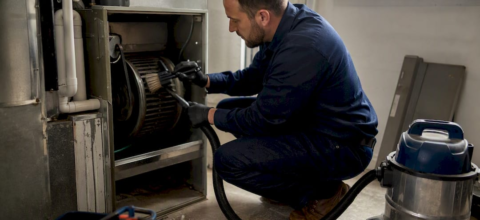
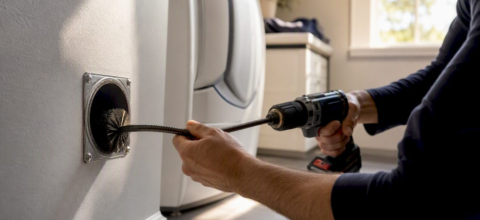
Before any new equipment goes in, your existing ductwork needs to be in good shape. Dirty, leaky ducts reduce the effectiveness of every ventilation improvement you make, from a simple bathroom fan to a full ERV installation.

Amazonairpro provides professional air duct cleaning and sealing for residential and commercial properties across New York, New Jersey, and Connecticut. With over 10 years of experience, the Amazonairpro team inspects, cleans, and seals ductwork so your ventilation upgrades actually perform as intended. If you are planning any home ventilation improvements this year, a professional duct inspection is the right place to start. You can also review the signs your ducts need cleaning before scheduling a visit.
FAQ
What is the difference between an ERV and an HRV?
An HRV transfers heat only between incoming and outgoing air, making it best for cold, dry climates. An ERV transfers both heat and moisture, which suits the mixed and humid conditions common in New York, New Jersey, and Connecticut.
How much can duct sealing improve my home’s efficiency?
Professional duct sealing improves HVAC efficiency by 15–30%, according to the U.S. Department of Energy. It is one of the highest-return upgrades available before any new equipment is installed.
What CFM rating do I need for a kitchen range hood?
Standard cooktops require at least 250 CFM. Professional-grade ranges need up to 400 CFM for effective ventilation and pollutant removal.
Are CFIS systems a good alternative to ERVs?
CFIS systems work well for homes with newer, well-sealed HVAC equipment and moderate ventilation needs. They cost less to install but do not recover heat or moisture the way an ERV or HRV does.
How often should bathroom exhaust fans be cleaned?
Clean bathroom fan grilles at least every six months. Dirty fans lose 20–30% of their airflow efficiency, which reduces their ability to control moisture and prevent mold growth.
Recommended
- Ventilation’s Role in Energy Efficiency for Your Home – Amazon Air Duct Cleaning
- HVAC Maintenance Guide: Boost Air Quality & Efficiency – Amazon Air Duct Cleaning
- Airflow Efficiency in Buildings: A Property Manager’s Guide – Amazon Air Duct Cleaning
- Ventilation systems explained: a practical guide for healthier indoor air – Amazon Air Duct Cleaning